Kategoriat
Uncategorized

Mullainathan & Shafir: Scarity

Kirjasta

Kirja oli pitkään kiehtonut minua, koska aihe on meidän yltäkylläisessä länsimaisessa maailmassa itsestään selvä. Puutetta ei tarvitse kärsiä, mutta silti sitä on ympärillämme monenlaisesti. Scarity sana ei suoranaisesti käänny sanaksi puute, vaan enemmänkin täsmällinen käännös on pula tai vähyys tai niukkuus. Kirjan sisältöä kuvaa paremminkin sana puute tai niukkuus, joten käytän niitä sanoja muiden puutteessa. Taloustiede toimii samanlaisten lainalaisuuksien varassa.

Kirjan ajatukset ovat paljon köyhyydessä, joka on ymmärrettävän konkreettinen lopputulema niukkuudesta ja puutteesta. Kirjaa ei kannata lukea köyhyystutkimuksen popularisointina, vaan ymmärtääkseen milloin ja miten niukkuuden psykologia operoi ihmisen mielessä. Sen sanottuani, niin pakko myöntää että järkyttävin tieto on, että puolet amerikkalaisista lapsista elää ruoka-avun varassa. Toivottavasti on tilastovirhe! “Nearly 50 percent of all children in the United States will at some point be on food stamps.”

Minkälainen kirja oli?

”Siitä puhe mistä puute?” sopisi tämä kirjan tunnuslauseeksi. Miten me ihmiset toimimme kun olemme ajautuneet niukkuuteen. Ilmiönä lopputuotteena me voimme kokea köyhyyttä, kiirettä tai lihavuutta. Tämä kirja kertoo siis niukkuuden tai puutteen psykologiasta.

Toiseksi kirja on sukua kahdelle maanmainioille kirjalle – Charles Duhiggin ”Power of Habit”-kirjalle ja Walter Mischelin ”The Marshmallow Test”-kirjalle.

Mitkä ovat kirjan keskeiset ideat? 

Puute operoi ihmismielen hämärässä ja sen prosessit ovat tiedostamattomia, mutta voimme itse aktiivisilla valinnoilla vaikuttaa ko. mekanismin toimintaan. Puute johtaa tyytymättömyyteen ja kamppailuun. Pahin lopputuote puutteesta on, että kapasiteettimme käsitellä asioita kutistuu – kaista jossa ajattelemme kapenee. Ja tämän johdannaisena ymmäryksemme heikkenee, emme pytsy katsomaan tulevaisuuteen ja kykymme kontrolloida asioita heikkenee. Esimerkiksi köyhyyden kokemuksen konkreettinen ilmentymä on, että ihmisen toiminta on yhtä tehokasta kuin jos hän on valvonut koko yön. Miltä tuntuu olla köyhä? Valvo yksi yö ja yritä siinä sitten elää tasapainosta elämää. (Kirja puhuu köyhdeestä akuuttina tilana, jossa ihminen joutuu koko ajan kamppailemaan rahanpuutteessa). Sellainen niukkuus luon ansan, josta pois pääseminen vaatii erityisiä toimenpiteitä, jossa taas tarvittaisiin ymmärrystä, tulevaisuusorientaatiota ja kykyä hallita asioita. Puutteella on oma logiikkansa ja se ei ole yksistään selitettävissä kulttuurin, talouden tai persoonallisuuden kautta. Esimerkiksi janoin ihminen tunnistaa nopeammin vesi-sanan kuin ei-janoinen ihminen.

Kirja opit ovat tässä:

  • Automaattista. Emme pysty kontrolloimaan niukkuuden luomaa tilaa, jolloin emme tee valintoja tai kustannushyötyanalyysejä, vaan toimimme automaatiolla tai tunteen varassa.
  • Tunneli. Niukkuus nappaa huomiomme ja joudumme tunneliin, jossa näemme vain tiettyjä asioita. Tunnelointi ryhtyy perimään veroa, joka maksaa tai kustannukset näkyvät toisaalla. Tunnelivero on voimakkaampi kuin esimerkiksi fyysinen harjoitus. Kirjan sanoin: ”Scarcity captures our minds automatically. And when it does, we do not make trade-offs using a careful cost-benefit calculus. We tunnel on managing scarcity both to our benefit and to our detriment.
  • Laiminlyönnit. Emme toimi arvojen mukaan, vaan jätämme aktiivisesti huomiotta arvot. ”We have already seen one primary reason we stay stuck in scarcity: tunneling leads us to borrow. And when interest rates are high—such as with the vendors—then this very basic impulse creates more scarcity.”
  • Kapeampi kaista (bandwith). Niukkuus vuorostaan tarjoaa vastineeksi kapeaa kaistaa, joka heikentää ihmisen luonnollista kykyä ajatella ja lopputuloksena niukkuuden loukkuun, josta emme pääsee eroon.
  • Putkiaivot tai loukku (scarity trap). Käytännössä lopputuloksena on tila, jossa laiminlyönneistä tulee vakio ja olemme vähemmän kyvykkäitä tai tehokkaita.
  • Likinäköisyys. Puute ja tunnelimaisuus aiheuttavat likinäköisyyttä tulevaisuuteen. Ei nähdä seuraavaa hetkeä pidemmälle. Mutta puutteen luoma likinäköisyys ei ole henkilökohtainen ominaisuus, vaan tilanteeseen sidottu ilmiö. “But what is remarkable in this account is that myopia is not a personal failure. Tunneling is not a personal trait. In fact, as far as personality traits go these people are anything but myopic; rather, it is the context of scarcity that makes us all act that way. Tunnels limit everyone’s vision.
  • Joustava älykkyys. Puute tai niukkuus tyhmentää, mutta ei tee tyhmäksi. Joustava älykkyys (fluid intelligence), jonka avulla järkeilemme ja erityisesti ratkomme ongelmia, heikkenee merkittävästi. Siis ongelmanratkaisukyky jota tarvitsemme voittaaksemme ongelmat. Niukkuudesta ei pääse eroon ilman erityisiä toimenpiteitä. Aika hankala yhtälö. Tarvitsemme ongelmanratkaisukykyä päästäksemme eroon niukkuudesta, mutta se itsessään heikentää kykyä ratkoa niitä ongelmia.
  • Tahdonvoima. Sen puute on ratkaisevaa ongelmista eroon pääsemiseksi. ”As Mischel put it, “Once you realize that willpower is just a matter of learning how to control your attention and thoughts, you can really begin to increase it.”
  • Löysä. Löysä (slack) mahdollistaa niukkuudesta erossa pysymisen. Jos ihmisen kalenterissa on tilaa, niin hän pystyy reagoimaan asioihin ja välttämään kiirettä. Jos organisaatiolla on ihmisiä tai rahaa, niin se pystyy ennakoimaan tai reagoimaan asioihin. Jos ihmisellä on säästöjä, niin hän ei työttömyyden tullen ajaudu kodittomaksi.

Puute tai niukkuus ei ole ilman hyötyjä.

  1. Uudet ideat. Vaikka niukkuus myös estää suoranaisten uusien ideoiden syntymisen, mutta juuri poispääsyn mahdollistamiseksi siinä voi yhdistyä erilaisia asioita joista muokkautuu uusia mahdollisuuksia. Eli tavallaan niukkuus kuitenkin syntyy uusia ideoita.
  2. Fokus. Keskitymme tarkemmin käsillä oleviin asioihin.
  3. Pakko motivoi. Valintojen tai päätösten tekeminen saattaa johtua jonkin asian puutteesta – aika, raha, ihmiset jne.
  4. Aika loppuu kesken. Puute pakottaa meidät tekemään asioita tehokkaammin. Esimerkiksi palaverien rajattua aika pakottaa ihmiset toimimaan tehokkaammin. Tai projektit valmistuvat ajallaan, koska aikaa ei ole yllin kyllin.
  5. Niukkuuden hyödyistä on pakko nostaa esille 40 tunnin työviikko. Henry Fordin esimerkki on yksi esimerkki, jota ei voi yleistää, mutta on silti hieno universaali ilmiö. ”Nearly a century ago, Henry Ford recognized the distinction between hours and bandwidth. His decision to institute a forty-hour workweek for his factory workers was clearly motivated by profits as much as by humanitarian concerns. As one commentator observes: When Henry Ford famously adopted a 40-hour workweek in 1926, he was bitterly criticized by members of the National Association of Manufacturers. But his experiments, which he’d been conducting for at least 12 years, showed him clearly that cutting the workday from ten hours to eight hours—and the workweek from six days to five days—increased total worker output and reduced production cost. Ford spoke glowingly of the social benefits of a shorter workweek, couched firmly in terms of how increased time for consumption was good for everyone. But the core of his argument was that reduced shift length meant more output.”
  6. Muita hyötyjä ovat esimerkiksi kuin pienemmät ravintolapöydät kasvattavat myyntiä

Niukkuuden hyötyjä löytyy myös esimerkiksi eläinkunnasta:

  • ”Why do bees create such precise structures and the wasps such messy ones? Scarcity. The wasps build with material that is abundant: mud. The bees build with material that is scarce: wax. The bees’ wax—like space in a tight suitcase or dollars during hard times—must be conserved. Building badly means wasting wax, which is an incentive to be efficient, to pack well. The wasps, on the other hand, have abundant material, plenty of mud to waste. Wasps can afford slack—to build sloppily—because their building material is cheap. The bees cannot because theirs is expensive.
  • The bees create walls that meet at a remarkably precise 120 degrees, forming hexagons that are perfect to the eye. Each wall is less than 0.1 mm thick, with deviations of only +/− 0.002 mm. That’s a 2 percent tolerance—not a bad building standard. By way of comparison, the National Institute of Standards and Technology allows a 10 percent tolerance in the width of manufactured plyboards used in construction.
  • Economists call this diminishing marginal utility: the more you have, the less each additional item is worth to you.”

Köyhyys on yksi puutteen tai niukkuuden ilmentymä. Köyhyys on aina huono asia, koska ihmiset eivät pysty antamaan parastaan. Ja niukkuus luo lisää niukkuutta. Köyhyys verottaa ihmisen kykyä ajatella, joustava älykkyys heikkenee ja kyky laittaa toimeen pienenee. Köyhät ja rikkaat ihmiset eivät ole vertailukelpoisia, koska köyhien ihmisten kognitiivisia resursseja rasittaa kaikki edellä mainittu niukkuuden psykologian elementit. Niin rikas kuin kuin köyhä voi sairastua puutteeseen ja tunnelointiin. Mutta eri tavalla.

Määritelmiä:

  • Scarity. We opened this book with a definition of scarcity: a subjective sense of having more needs than resources.
  • Slack. Having slack allows us the feeling of abundance. Slack is not just inefficiency; it is a mental luxury. Abundance does not just allow us to buy more goods. It affords us the luxury of packing poorly, the luxury of not having to think, as well as the luxury of not minding mistakes.

Kirjan mukaan:

  • Köyhät ovat köyhiä, koska heillä ei ole tilanteeseen tarvittavia taitoja päästä pois niukkuuden luomasta loukusta.
  • Yksinäiset ovat yksinäisiä, koska heillä ei ole taitoja tehdä itsestään sosiaalisesti kiinnostavia.
  • Lihavat ovat lihavia, koska heillä ei ole tahdonvoimaa.
  • Kiireiset ovat kiireisiä, koska heillä ei ole kapasiteettia priorisoida ajankäyttöään.

Suomi mainittu: “To do this, we created a video game based on Angry Birds for our research. In this variant, which we called Angry Blueberries, players shoot blueberries at waffles using a virtual slingshot.”

Mitä meidän pitäisi tehdä kirjan perusteella?

Tässä on kirjan pääviesti meille kaikille:

  • The reason why the abundance-then-scarcity cycle is so bad is that, as we have seen, scarcity can get us trapped. It is not merely that we fail to smooth our activities under abundance; it is that we fail to leave slack for the future.
  • This is the danger of not leaving enough slack, not enough buffer for potential shocks.
  • And that buffer stock needs to be built during times of abundance.

Miten eteenpäin? Kuinka päästä eroon niukkuuden luomasta loukusta?

  • Jos ymmärrämme niukkuuden luoman dynamiikan, niin sen todennäköisemmin voimme vaikuttaa olosuhteisiin, jotka luovat niukkuutta. “Rather than a personal trait, it is the outcome of environmental conditions brought on by scarcity itself, conditions that can often be managed. The more we understand the dynamics of how scarcity works upon the human mind, the more likely we can find ways to avoid or at least alleviate the scarcity trap.”

Kirjan ehkä syvällisin ajatus on, että niukkuuden juurisyyt ovat monesti ylenpalttisuudessa:

  • ”As we contemplate the better management of scarcity, we should remember that scarcity often begins with abundance.”

Mitä minun pitäisi itse tehdä? 

Sotakassa!

Yhteenveto

Kuusi sanaa:

  • “A man is rich in proportion to the number of things he can afford to let alone.” (Henry David Thoreau)
  • “Everywhere is walking distance if you have the time” (Steven Wright)
Kategoriat
Uncategorized

Thomas Gilovich & Lee Ross: The Wisest One In The Room

Kirjasta

Kirjassa on ainekset sosiaalipsykologian valituiksi paloiksi. Ällöttävää ja self-helppiä? Kaukana siitä, koska kirjoittajat ovat aihealueen professoreita. Luotan heidän tarjoilevan sellaisia valittuja paljoa, jotka eivät käänny itseään vastaan. Eivätkä minun lukukokemuksen mukaan käännykään.

Olen ehkä turhankin ahkera jakamaan kirjasuosituksia, mutta tämä kirja kannattaa (n)ostaa yöpöydälle odottamaan lukemista. Sisällöllisesti kirjassa on kaksi osaa – viisaudet ja niiden soveltaminen, joten niiden parissa viihtyy.

Minkälainen kirja oli?

Kirja on lukukokemuksena piinallinen. Ensimmäinen puolisko vaatii jatkuvaa keskittynyttä huomiota. Sivu kerrallaan joutuu miettimään kirjan ajatuksia. Loppupuolisko onkin sitten jo helpompaa laskettelua ja teksti soljuu alkupuolen oppien soveltamiseen.

Kirjan tarkoitus on kiinnittää huomiotamme:

1. Yksityiskohtiin – attention to detail, eräänlaista aikamatkaa Poirotin kanssa. ”In very general terms, we have suggested that in tackling any applied behavioral problem, it is essential to understand the details—especially the hidden and subtle details—of the web of situational forces acting on the individuals whose behavior one wants to change“

2. Asioihin mitkä rajoittavat kykyä tulkita. Avaimenreiät, filtterit ja linssit. “But it is also essential to understand how those forces are interpreted by the individuals who face them and to be aware of the various filters and lenses that guide, and potentially distort, their interpretations.”

3. Subjektiivisuuden juoksuhautaan – ovatko havaintomme totuuksia. ”We began our discussion, however, with the most common source of human misunderstanding that wise men and women have called attention to over the centuries: the tendency for people to regard their own perceptions and reactions as if they are a direct, objective, and veridical reflection of how things “really are” rather than the product of subjective interpretation.”

4. Uskomusten ja käyttäytymisen väliseen yhteyteen. ”We also introduced a critical insight about the link between beliefs and behavior: The actions that people take not only reflect what they feel and believe; they can powerfully influence their feelings and beliefs downstream. Indeed, an understanding of the human need to make sense of our actions, and in many cases to justify or rationalize those actions, can be a valuable tool in addressing applied problems.”

Mitkä ovat kirjan keskeiset ideat? 

Voidaksesi asennoitua aristoteleemäisesti elämään pitää ihmisen osata vastata kysymyksiin mitä, kuinka ja erityisesti miksi. Viisautta on kun ymmärrät asioiden syy-yhteyden, ymmärrät miksi asiat ovat niin kuin ovat sekä osaat asettaa ne perspektiiviin.

Kirjan tarjoamat opit viisaudesta rakentuvat viiden pilarin päälle:

1. Objektiivisuuden illuusio (The Objectivity Illusion)

2. Veto- ja työntövoima (The Push and Pull of Situations)

3. Kupletin juoni (The Name of the Game)

4. Ensisijainen käytös (The Primacy of Behavior)

5. Avainmenreikiä aivoissamme (Keyholes, Lenses, and Filters)

Mitä sitten viisaus on? Websterin sanakirjan mukaan viisautta kolmenlaista:

A) Kumuloitunutta tietoa (knowledge),

B) näkemystä (insight) ja

C) kykyä arvioida asioita (judgment)

Viisaus takaa ihmisille kyvyn ymmärtää päivittäistä käyttäytymistä ja kykyä elää merkityksellistä sekä palkitsevaa elämää. Kuinka tavoitteellistaa omaa elämää ja mitkä tavoitteet ovat tavoittelemisen arvoisia. Viisaan elämässä on aina mukana toiset ihmiset sekä ymmärrys miten voi vaikuttaa toisten ihmisten toimintaan. Mikä tärkeintä – viisas ihminen omaa kyvyn asettaa asioita perspektiiviin.

Kirjan tarkoitus (aika kova lupaus muuten) on auttaa lukijaa tulemaan viisaammaksi, jotta voit tehokkaamin tulla toimeen muiden työntekijöiden ja kollegoiden sekä saada lapsesi ymmärtämään potentiaalinsa.

1. Objektiivisuuden illuusio (The Objectivity Illusion)

”On helpompaa nähdä rikka toisen silmässä kuin malka omassa silmässä”. Emme siis saisi uppoutua naivin realistisuuteen, vaan todistaa ettemme ajattele puhtaasti omien kokemustemme tuomien harhojen valossa. Oman objektiivisuuden arviointi on vaikeaa, mutta onneksi kanssa ihmiset voivat aina palauttaa meidät maan pinnalle.

2. Veto- ja työntövoimaa (The Push and Pull of Situations)

Viisain ihminen huoneessa tietää, että saadaksesi ísoja asioita toteutumaan, niin pitää vain laittaa pallo liikenteeseen – edetä pienin askelin, torpata kaikki mahdolliset harhapolut ja lopuksi mennä motivaation tuomalla suurella höyryllä suoraan maaliin.

Harhaluulot yleensä syntyvät (fundamental attribution error – FAE) kun yliarvioimme ihmisten henkilökohtaisten ominaisuuksien vaikutuksen lopputulokseen semminkin kun oikeampi selitys on useimmiten tilanteeseen liittyviä.

Sendhil Mulainathan ja Eldar Shafir ovat kirjassaan ”Scarity” todistaneet, että esimerkiksi köyhyys heikentää ihmisten kapaisteettia, “kaistaa” ja muita kognitiivisia resursseja. Jos joudut sammuttelemaan perustoimeentuloon liittyviä tuloja päivittäin, niin tuskin pystyt tekemään rationaalisia pitkäkestoisia päätöksiä. Mulainathanin ja Shafirin havaintoon kun yhdistetään FAE, niin todennäköisesti mistään kuopasta ei nousta ilman ulkopuolista väliintuloa.

Jos haluat olla viisain ihminen huoneessa, niin älä ryntää johtopäätöksiin, vaan ota viileän analyyttisesti aikaa arvioidaksesi mikä on tilanteen tuomaa vaikutusta ja kuinka yksiklöt saattaisivat toimia paineistetussa tilanteessa.

3. Kupletin juoni (The Name of the Game)

Ymmärtääksesi kupletin juonen ihmisellä pitää olla kyky nähdä asioita erilaisesta perspektiivistä voidakseen tehdä kokonaisvaltaisen johtopäätöksen. Monesti kupletin juoneen vaikuttaa miten asia on kehystetty (framing).

Kehystäminen on yksi tärkeimmistä työkaluista. Miten esittää asiansa ja esimerkiksi minkälaisilla luvuilla. Jos haluat tehdä vaikutuksen ihmisiin, niin esitä riittävän mahtipontisia lukuja. Jos et halua saada vaikutusta aikaiseksi, niin esitä pieniä lukuja. Haluatko tienata 50 000€? Jos kyllä, niin onko 12,60€ paljon vai vähän? Entä 50 000€? Säästämällä päivittäin 12,60€ saat 50 000€.

4. Ensisijainen käytös (The Primacy of Behavior)

Miksi kettu sanoo happamia marjoja? Koska ne ovat sen ulottumattomissa eikä sen takia että ne maistuisivat pahalta (Aisopoksen tarina ketusta). Tai miksi ihmisiä kehoitetaan laittamaan ruoto suoraksi, vaikka menee huonosti. Surkean näköisellä menee surkeasti – “fake it ’til you make it.” Minkälainen tunnetila meillä on, niin siten myös käyttäydymme. Joten töihin kannattaa aina mennä vihellellen. Tai häviön uhatessa tee niin kuin Rafael Nadal – olet olevinasi voitolla ja pelaa sen mukaan.

Käyttäytyminen on aina ensisijaista ja siten toimintamme määrittää myös ajatteluamme – ”people’s behavior is often more predictive of their attitudes than their attitudes are of their behavior.” Joka toki johtaa siihen, että ihminen kannustaa muita toimimaan omien uskomusten mukaan eli loogisesti ”Self-Perception Theory: When Doing Is Believing”.

Olemme epärationaalisempia kuin uskommekaan, koska emme tunnista uskomuksiamme. “I just ate a second sandwich,” you tell yourself, “so I must have been hungrier than I thought.” Ja tunnemme uskomuksemme huonommin kuin uskommekaan…. ”it seems that we know the contents of our own minds less well than we think, and so we’re often in the same position as an outside observer, who must infer what we think or feel.” Ihmiset ovat motivoituneet tunnistamaan epäjohdonmukaisuudet…. ”Festinger’s theory had a very different starting point: It proposed that people are motivated to reconcile discrepancies in their actions, beliefs, values, and priorities.” Persoonamurha? “He had previously noted that when differences of opinion arise in a group, they produce a kind of tension that the group members work to resolve, especially if the issue producing the disagreement is important. That tension, he had argued, is diminished only when agreement is achieved and harmony restored—usually by the majority pressuring the minority to go along…… we feel a kind of psychological discomfort whenever certain attitudes we hold clash with others, and especially when our behavior seems inconsistent with our values, priorities, and beliefs. That discomfort, in turn, motivates us to reduce the dissonance in whatever ways we can.”

Miten järkeistää epäonnistumiset? ….. “People also find ways to rationalize their failures. An economic misadventure becomes a “great learning experience.” And the list of things people come up with to rationalize their failures to exercise more, eat healthier, do more to curb energy consumption, or give money to those in need goes on and on.”

Kuinka saada vapaamatkustajat kuriin? “Moreover, the eye posters seemed to have a larger effect when there were fewer people in the café than when it was busy—that is, when there were few other “eyes” already on the potential litterers. Remarkably, nearly three times as much money was put into the honesty box during weeks when the eyes were displayed than during weeks when flowers were displayed.”

Järkeistäminen vääristää todellisuutta…. “The wisest one in the room recognizes rationalization when she sees it, including instances when she is the one rationalizing. Perhaps the surest way to spot your own rationalizations is to ask how you would respond if someone else offered the same justification.

Mutta siinä on aina totuuden siemen…. ”Note that the best rationalizations are those that have an element of truth.”

Ja piru asuu yksityiskohdissa…. “The wisest person in the room thinks carefully about the situational factors that play a role in provoking evil deeds, trying hard not to excuse or deny personal responsibility but to understand the importance of addressing the forces and constraints that influenced the perpetrators.”

Mikrokäyttäytymistä / mannaryynistrategia…. “Stein discovered, in yet another echo of Milgram’s illuminating research, that the path to heroic action began with small steps and minor commitments. Agreeing to hide a child for a night or just offering some food to a desperate family led to further steps and commitments, such as keeping the child hidden for a longer period of time when it became clear that leaving the hiding place would mean certain death. This led to further escalations in risk taking, such as a dangerous train trip to get medicine when a child was sick.”

Järkeilemisen vastakohta…. “But what seemed even more notable about these quiet heroes, and what truly set them apart, was their unwillingness, or perhaps even their inability, to engage in the same sorts of rationalizations as virtually all their neighbors.”

5. Avainmenreikiä aivoissamme (Keyholes, Lenses, and Filters)

Avaimenreikiä avoissamme ovat:

1. Näkökykymme rajoittuu 180 asteeseen.

2. Lähimuistimme on rajoittunutta, koska pystymme pitämään mielessä vain 5 – 9 erillistä asiaa.

3. Ideologiat ja ennakkoluulomme tuottavat aivoihimme linssejä ja filttereitä.

Viisain ihminen huoneessa tietää, että helpoiten hankittu tieto ei aina ole paras kompassi maastoon. Toisinaan toki tarvitaan intuitiivista ajattelua sekä ajattelumme laajentamista. Koira, joka ei haukkunut…. ”To overcome this limitation, we have to develop habits of mind (and data-gathering procedures) that broaden our view and give us access to more of the information we need. It is the job of the rational mind to consider whether there is some important information that isn’t available, isn’t salient, or hasn’t been considered—the dog that didn’t bark in the night for Sherlock Holmes fans (thereby revealing the intruder to be someone familiar).”

Perspektiivin lisäksi yksi tärkeimpiä viisaan henkilön määritelmiä on tuntea milloin intuitioon voi luottaa…. ”An important component of wisdom, surely, is knowing when to trust intuition and when to be leery.”….. ”the participants were most interested in the information that would support the idea they were evaluating.”

Kaikkien vinoumien isä ja äiti oli…. ”That is why Emory University psychologist Scott Lilienfeld refers to the confirmation bias as (harking back to an earlier war against Saddam Hussein) “the mother of all biases.”

Ja mikä on psykologisesti tarkastellen järkevää, niin ei ole loogisesti mielekästä…. ”that if you don’t want something to be true, you seek out information that would call it into question. This bias distorts people’s evaluations of things that really matter to them, like their health.”

Muista nimittää paholaisen lähettiläs…. “If appointing a devil’s advocate is not possible, there are other ways a wise person can “widen the keyhole” and avoid distorting lenses and filters. When it comes to making consequential decisions, for example, you can compare how you think about the pros and cons right now with how you imagine you’ll think about them ten years from now. Or you might consider what you’d recommend for a friend or what you think someone you respect would recommend.”

Hanki tietoa…. “The distinguished decision-making scholar Robyn Dawes presents a telling example in his book Rational Choice in an Uncertain World. He noted that Discover magazine once ran a story advising readers that they should “know where the exits are” when they board a plane and rehearse how they would exit in case of an emergency landing. Why? Someone had done a study of individuals who had survived airplane crashes and crash landings and found that 90 percent of them had their escape routes mapped out beforehand. That statistic, 90 percent, sounds impressive. But a moment’s reflection prompts some second thoughts—including the realization that the investigator obviously hadn’t interviewed anyone who died in those crashes. It is therefore entirely possible that 90 percent of those victims had similarly mapped out their escape routes (as they are advised to do by their flight attendants).”

Kuplautuminen eli groupthink…. “Irvin Janis, a social psychologist who helped pioneer the study of group decision making and who coined the term groupthink, argued that these sorts of social pressures were responsible for some of the most misguided decisions in American political and military history. His list included the failure to heed warnings about a possible attack on Pearl Harbor by the Japanese, the Bay of Pigs invasion aimed at overthrowing Fidel Castro’s regime in the early 1960s, and the decision to escalate the war in Vietnam later in that decade.”

Kuplautumisen toinen nimi on WEIRD…. ”We find it hard to appreciate that it is our culture that much of the world regards as strange. In fact, anthropologist Joe Heinrich and his colleagues have coined the acronym WEIRD (for Western, educated, industrialized, rich, and democratic) to alert us to the features of our culture that distinguish us from much of the rest of the world.”

Mitä meidän pitäisi tehdä kirjan perusteella?

Raha tuo onnea tai ainakin poistaa yhden murheen…. ”People are happier, and certainly less stressed, when their financial situation improves, but the cliché that money can’t buy happiness is also largely true. Winning the lottery does make people happier—just not as much as they had hoped, or as much as the rest of us assume we would be if we received the same windfall.”

Miten viisaasta ihmisestä tulee onnellinen:

• Käyttäydy kuin onnellinen ihminen (Act like a happy person, and you will find it easier to be one.)

• Älä kadu tekemättömiä asioita (Don’t waste your energy denigrating paths not taken or choices not made.)

• Kahdehtiminen kannattaa unohtaa heti alkuun “Avoid social comparisons that put you at the short end of the stick.”

• Vaali mielummin muistoja kuin puutteita (Savor the great times you had and the blessings you enjoyed in the past rather than dwelling on what may be lacking in your life today.)

• Hanki kokemuksia – nyt! (But also seek out experiences that will contribute to your happiness right now.)

• Ota ohjat asioista, jotka ovat sinun hallinnan ympyrässä (Most important, they involve things that are under your personal control.)

Mitä minun pitäisi itse tehdä? 

1. Kokemuksia-kokemuksia (Spend a bit more on experiences and a bit less on possessions.)

2. Nousut ja laskut (Manage the peaks and endpoints of experiences.)

3. Tee jotain! (When you’re feeling blue, force yourself to get off the sofa and do something other than open a bottle of soda or beer)

4. Laita hyvä kiertämään (Do something for someone else).

Yhteenveto

Kuusi sanaa….. “Things won are done; joy’s soul lies in the doing.” (Shakespeare)

Miksi Mandela?

“First and foremost, Mandela was able to take a broad view of the challenges before him, somehow avoiding the tunnel vision that would have influenced the actions of almost anyone else elected to lead a truly democratic South Africa.

Time and again in the aftermath of political revolutions, the world has witnessed new leaders focused on their own sect’s interests at the expense of the broader interests of the country—Iraq’s Nouri Al-Maliki, Egypt’s Mohamed Morsi, and Mandela’s nearby counterpart, Zimbabwe’s Robert Mugabe, are but a few examples. Somehow Mandela was able to maintain a wider view.

This is what Mandela meant when he said, “Sport has the power to change the world. It has the power to inspire, the power to unite people that little else has.”

This calculated transformation of their team into our team also speaks to Mandela’s intuitive understanding that the significance of any action lies not in its objective consequences, but in how the action and its consequences are interpreted and understood.

Finally, and perhaps most important, Mandela’s actions reflected an ability to shake off the limitations of naïve realism.”

Miksi nousut ja laskut ovat tärkeitä?

“Pioneering research by Daniel Kahneman and colleagues has documented a “peak-end” rule…… Psychological research provides a clear answer to these sorts of quantity-quality trade-offs: Choose the shorter, more memorable vacation. When you’re back at home or at work, two pleasant but less memorable weeks won’t feel any different from one. But savoring your memories of walking right onto the beach in the morning and then again at sunset, playing the album of the musicians you heard live as you sipped that rum concoction, and remembering what it looked like to see the Na Pali coast from the air are experiences you will draw on for a lifetime.

Happy end….. When planning a vacation, for example, it’s a good idea to sacrifice some of the length of the trip if it allows you to experience a more sublime high point. If you can make that sublime moment happen at the very end, all the better. If not, make sure the trip at least ends with something pleasant—a last evening watching the sunset or a nice brunch—rather than a couple of frantic hours running around buying gifts and souvenirs followed by a hasty packing

“We’ll always have Paris.” Indeed, experiences don’t just endure; they often become better with time as we embellish the best elements and downplay the worst.

Kategoriat
Uncategorized

Hellsten: Saat sen mistä luovut

🔵 Oletko koskaan lukenut kysymyskirjaa? Jos et, niin ota koppi. Tässä tulee ”Paljon kysymyksiä, vähän vastauksia”-kysymyskirja.


✅ Mitkä ovat kirjan keskeiset ideat? -Syvä elämä on valinta.- Syvä elämä. Kiireettömyys, parantuminen, olemaan läsnä ja itsessään. – Kun ei ole enää mitään erityistä mitä välittää tuleville sukupolville, niin luovumme vanhemmuudesta.- Lasten heikkous herättää rakkautemme. Sama koskee alkoholistia.- Ihminen, joka ei löydä turvaa – lopettaa matkan teon (sarasvuomaoisuutta).- Rakkaudettomat lapset ovat saaneet vanhemmat, jotka itse eivät ole kasvaneet aikuisiksi. Heidän sylissä ei ole tilaa uudelle lapselle.- Sankari kulkee siitä missä ei ole polkua ja luo polun kulkiessaan.- Sankaruus on, että uskaltaa kasvaa aikuiseksi. 


✅ Kuusi sanaa kirjasta….. Vaarallinen elämä = riskejä = luova elämä.


⛔️ Kirjan karmein ajatusvirhe on, että katastrofeja ei tarvitse odottaa, vaan niitä voi itse luoda. En usko, että edes ihminen joka on syvästi onneton eikä ole keksinyt muuta pois pääsyä, niin sattuu korjaamaan potin järjestämällä katastrofin.

Kategoriat
Uncategorized

Kondō: Joy at Work

🔵 Haluatko maksimoida ilon? Konmarita työelämäsi. 

✅ Marie Kondōlle sotku on kurjuuden magneetti. Hänen uutuuskirja kertoo miten sotku siivotaan pois työelämästä. Kirja vaikutti aluksi absurdilta niksipirkkaidean venyttämisestä työelämään, mutta siitä ei ole kyse.


✅ KonMari-metodin idea on johtaa ihmisiä suljetuilla kysymyksillä, joihin on vastattava kyllä- tai ei-vastauksilla. Vastausten perusteella työtä luokitellaan: Tuottaako työ iloa, hyötyä tai tulevaisuutta? Jos ei, niin siitä luovutaan. Jos työ tuottaa iloa, hyötyä tai tulevaisuutta, niin sen tekemistä jatketaan.


✅ KonMari-metodi tarjoaa samaa tiukkaa priorisointi-menetelmää niin kotiin kuin työpaikalle. Metodissa on kyse asioiden arvottamisesta ja itsensä johtamisesta sekä kurinalaisuudessa. Se synnyttää prosessin, joka on iloista, tavoitteellista, tehokasta ja stressistä vapaata. Metodin tavoitteena on saada työelämän hohtamaan tuloksellisuutta niin digitaalisessa kuin fyysisessä työympäristössä.

⛔️Ärsyttävin ominaisuus kirjassa on, että siinä on sivuja 320, koska kaikki yli 200 sivuiset pitäisi kieltää. Siitäkin huolimatta Kondōn tekstit viestivät iloa ja tyydytystä, jonka saa hän sotkun poistamisesta. Hymyilen kun luen tätä kirjaa.

Kategoriat
Uncategorized

Drucker: The 5 most important questions

🔵 Peter Druckerin kasvukaava on nämä kysymykset. Kun haluat kasvaa, niin kysy näitä toistuvasti.


✅ Viisi tärkeintä kysymystä:

1️⃣ Mikä on meidän idea (Mission)? Idean/mission pitää mahtua T-paidan tekstiksi. ”The mission says why you do what you do, not the means by which you do it. Never subordinate the mission in order to get money.”
2️⃣ Kuka on meidän asiakas (Customer)? ”The best companies don’t create customers. They create fans.”
3️⃣ Mitä asiakas arvostaa (Value)? ”Leadership should not even try to guess at the answers; it should always go to customers in a systematic quest for those answers.”
4️⃣ Mitkä ovat meidän tuloksia (Results)? ”Progress and achievement can be appraised in qualitative and quantitative terms.”
5️⃣ Mikä on meidän suunnitelma (Plan)? ”The plan encompasses mission, vision, goals, objectives, action steps, a budget, and appraisal. Your plan leads you to work for results. It converts intentions into action.”

✅ Druckerin kysymykset ovat johtajan itsearviointityökalu. Tee tästä viikoittainen rutiini, testaa vastauksia asiakkaillasi / organisaatiossasi ja kerää sekä analysoi ne. Johda johtopäätöksien kautta. 

✅ Paras syy lukea tämä kirja on, koska Peter Drucker on modernin liikkeenjohtamisen keksijä.

🔸 “If you cannot smile, do not open a shop.”

Kategoriat
Uncategorized

Duhigg: Power Of Habit

🔵 Kirjan pääviesti on opettaa miten ymmärryksestä rakennetaan automaattinen tapa toimia. Ihmisen toimintatavoista 40% on automaattisia ja loput aktiivisia päätöksiä.


✅ Tapoja voidaan muuttaa jos tiedostamme miten ne toimivat. Tiedostamattomia tapoja emme vastaavasti pysty korjaamaan. AA-kerho on esimerkiksi valtaisa koneisto, jonka tehtävä on tunnistaa ja korvata päihteiden käyttöön johtavat tavat. 


✅ Tavat syntyvät, koska aivot pyrkivät säästämään energiaa. Kun aivot saavat vihjeen (tuhkakuppi), joka aktivoi rutiinin (tupakointi) niin siitä seuraa palkinto (nikotiini). 

✅ Jos esimerkiksi haluat käydä joka aamu lenkillä, niin laita juoksukengät näkyvälle paikalle, josta saat kimmokkeen lähteä lenkille kun heräät. Yksistään hampaiden pesu on, jossa Pepsodent (vihje) on synnyttänyt aamuun (rutiini) koetun raikkauden tunteen (palkinto) vaahtoavan hammastahnan kautta. 


✅ Tuttuuden tunne on mekanismi, jolla voidaan synnyttää tapoja. Uuden asian tuominen tutun asian yhteyteen tuottaa vihjeen, joka vakiinnuttaa sen uudeksi tavaksi.

✅ Jos etsit kirjasta itsellesi, niin tässä on kaksi:- Kun tiedostat tapasi, niin voit päättää niistä (vihje-rutiini-plkkio).- Puhu kohtalotovereiden kanssa kun haluat päästä niistä eroon.

⛔️ En ymmärrä miksi tässä kirjassa oli yli 400 sivua.

Kategoriat
Uncategorized

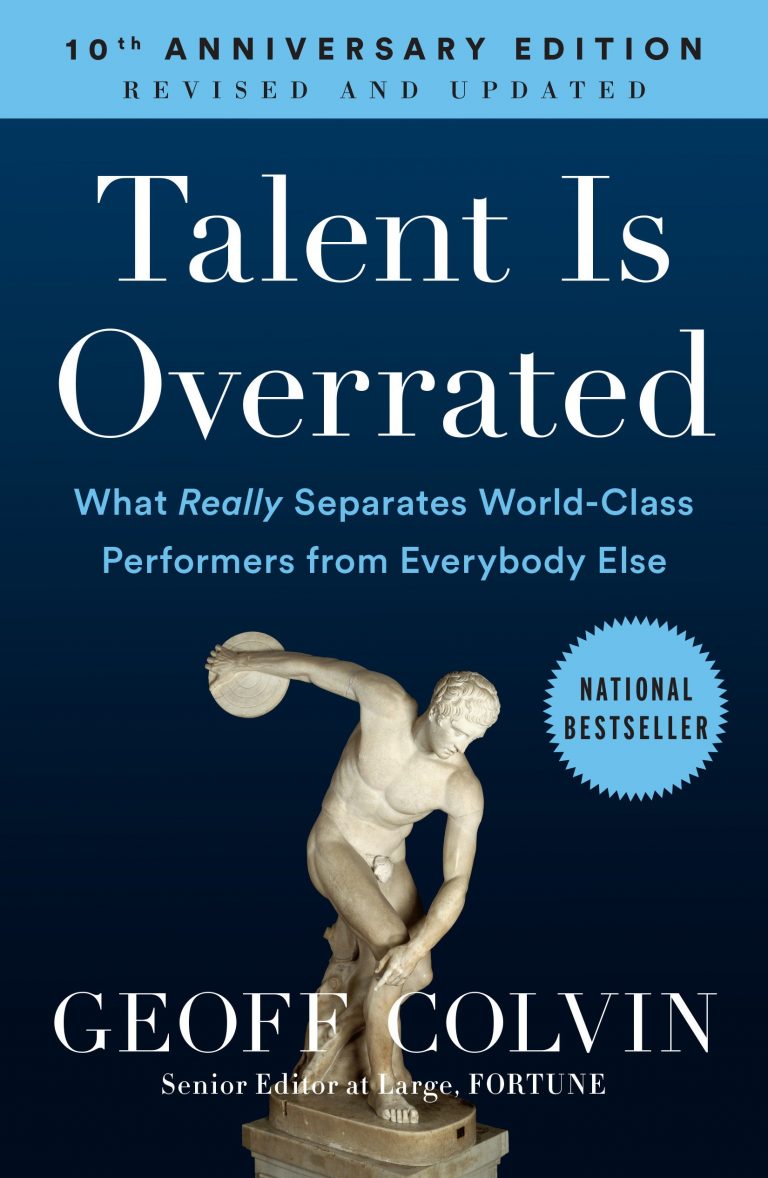
Colvin: Talent is Overrated

🔵 Haluatko tietää miksi lahjakkuudelle on vähän tai ei mitään tekemistä jatkuvan menestymisen kanssa? 

✅ Parhaus syntyy tavoitteellisen harjoittelun kautta:- Se on suunniteltu niin, että se parantaa suoritusta. Sen pitää olla palkitsevaa, mutta sitä ei välttämättä koeta hauskana. Vaati tuekseen opettajan tai mentorin. Se on toistettavissa merkittävässä määrin. Siitä on mahdollista saada ja antaa palautetta, jotta harjoituksen suorittaja ymmärtää hyvän ja huonon suorituksen välisen eron. Sen pitää olla henkisesti/fyysisesti kuormittavaa, koska muutoin sitä ei ole tehty ”täysillä”.


✅ Huomionarvoista on, että menestys ei yksistään selity kokemuksella tai yleisillä kyvykkyyksillä, koska esim. älykkyys yksistään ei korreloi menestyksen kanssa.

✅ Paljous on menestyksen tae. Mitä enemmän henkilö on toteuttanut tavoitteellista harjoittelua, niin sen todennäköisemmin hän menestyy parhaiten. 


✅ Jos etsit kirjasta itsellesi, niin tässä on neljä:

– Harjoittele kun olet virkeä/energinen .

– Nuku hyvät yöunet ja ota iltapäivänokoset.

– Maksimoi harjoittelumäärät. 

– Hanki mentori tai opettaja.


⛔️ Tavoitteellinen harjoittelu ei silti täysin selitä saavutuksia, koska elämä on aivan liian monimutkainen selittyäkseen yhdellä vastauksella. #TigerWoods

Kategoriat
Uncategorized

Balthasar Gracián: Sankarin taskupeili

Kirjasta

Sain kirjan ihanalta ystävältä, joka tuntee harrastukseni kuin oman pankkitilinsä. Kiitos!

Balthasar Gracián on barokkiajalla elänyt jesuiitta. Gracián on aikansa Jim Collins ja siksi tämä kirja on ehdottomasti 1600-luvun ”Hyvästä parhaaksi”-kirja. Kirja on yhtä ajankohtainen nyt kuin todennäköisesti silloin. 

Mitkä ovat kirjan keskeiset ideat? 

Gracián aloittaa kirjansa määrittelemällä, että se käsittelee ”itsensä hallitsemisen strategioita”. Elämänohjeena Gracián tyytyy siteeraamaan Epiktetosta ”tyydy ja kieltäydy”.

Kirjan keskeinen idea on kertoa miten oppii tietämään paljon:

–      Elää monta vuotta.

–      Lukea monta hyvää kirjaa.

–      Matkustaa monessa maassa.

–      Keskustella viisaiden ystävien kanssa. Joka on muuten Gracián mukaan miellyttävintä kaikista.

Kirja on siis ”kompassi purjehtiessanne kohti erinomaisuutta, oikotie maineeseen noudattaessanne muutamaa sen ohjetta tahdikkuudesta”. Tahdikkuus – suorastaan luomoava sana, jota et kohtaa nykykirjallisuuden sivuilla. Muut avainsanat kirjassa ovat ymmärrys, herrasmies, viisaus ja arvostelukyky. Sekä tietenkin äly, josta sankari leivotaan.

Aikansa merkkejä ovat esimerkiksi kun Gracián peräänkuuluttaa kuninkaallista sydäntä tai erinomaista makua. Joista myös pulaa meidän aikoina. Yhden hitin ihmeitä Gracián varoittelee siihen tyytymisestä ja puhuu tarmokkaasti pyrkimyksestä kunnianhimoisesti universaaliuteen.

”Erinomaista olla ensimmäinen ei ajallisesti vaan laadullisesti, koska perässätulijoita pidetään matkijoina”.

Tunnistakaa kuninkuuslajinne, luopukaa oikeaan aikaan sekä tarkkailkaa kohtaloanne ovat kuin suoraan 2010-luvun liikkeenjohdonoppaista. Eli yksilön pitäisi osata tiedostaa oma erityisosaaminen, tietää milloin tarvitsee muutosta sekä analysoida etenemistään.

Kirjassa tunnistetaan ration ja emootion suhteet sekä ne ovat myös tiedostettuja tekijöitä sankarin kohtalossa. Mutta samassa hengenvedossa Gracián tunnistaa myös omahyväisyyden vaarat matkalla erinomaisuuteen.

”Omahyväisyys on äänetöntä itsekehua. Täydellisyys on sankarin tehtävä, kehuminen muiden. Pienikin itsekehu on pois muiden kehusta”.

Gracián terävin huomio ja elämänohje on, että ”ruumis kasvaa 25 vuotta, sydän 50 vuotta, mutta henki aina”. Yllättävintä on, että elämän Gracián määrittelee valheen valtakunnaksi ja tosiasialliseksi vankilaksi, jossa tiedossa on vain rangaistuksia.

Some-ajan ohjeeksi Gracián ajatukset eivät ole kovin passelit. Esimerkiksi hänen mukaansa kenenkään ei tule tuntea sinua liian syvällisesti, että saisi hallintaoikeuden sinuun. Tai kehotus omien aikeiden naamioimisesta. Tai oman tahdon salaaminen. Sen lisäksi sivuilla satelee Sun Tsumaisia ohjeita vihollisen hämäämisestä.

Herrasmiehestä Gracián kirjoittaa pitkästi ja hartaasti. Ohjeet eivät väistä vallannaisia myöskään. Tiivistetysti herrasmiehen tai vallasnaisen anatomia kuuluu seuraavasti:

–      Luonne ja äly ovat herrasmiehen selkäranka.

–      Arvovalta näkyy sanoissa ja teoissa.

–      Itsekritiikki jalostaa.

–      Keskustelu tuo tietoa, jota ei opita kirjoista eikä koulunpenkillä sekä keskustelutaito on muiden taitojen kaunistus.

–      Viisas osaa lukea myös kasvoista, jotka ovat sielun portti, sydämen osoite.

–      Nopeus on sankarien lahja ja edellyttää pohjimmiltaan syvää viisautta ja korkeaa älyä.

–      Miellyttävä käytös on yksi elämän kaunistuksista, joka heijastuu kaikkiin töihin ja tekoihin.

–      Lukeminen on jalointa ajanvietettä ja herrasmies ahmii kirjoja, sielun ravintoa ja hengen herkkua.

–      Näkeminen tekee tietoviisaan, mutta mietiskely tekee viisaan.

Aivan kaikkea Gracián sanomisia on vaikea sulatta kuten esim. ”typeryksiä ovat kaikki ne, jotka siltä näyttävät ja puolet niistäkin, jotka eivät näytä”. Tai köyhistä hän sanoo, että ”lahjoja ei haaskata niihin, jotka eivät ole läsnä juhlissa”.

Mitä meidän pitäisi tehdä kirjan perusteella?

Keskustella viisaiden ystävien kanssa.

Mitä minun pitäisi itse tehdä? 

Lukea monta hyvää kirjaa.

Yhteenveto

Kirja kuudella sanalla – ”Kohteliaisuus on yhtä tarpeellista kuin toivottavaa.”

Kategoriat
Uncategorized

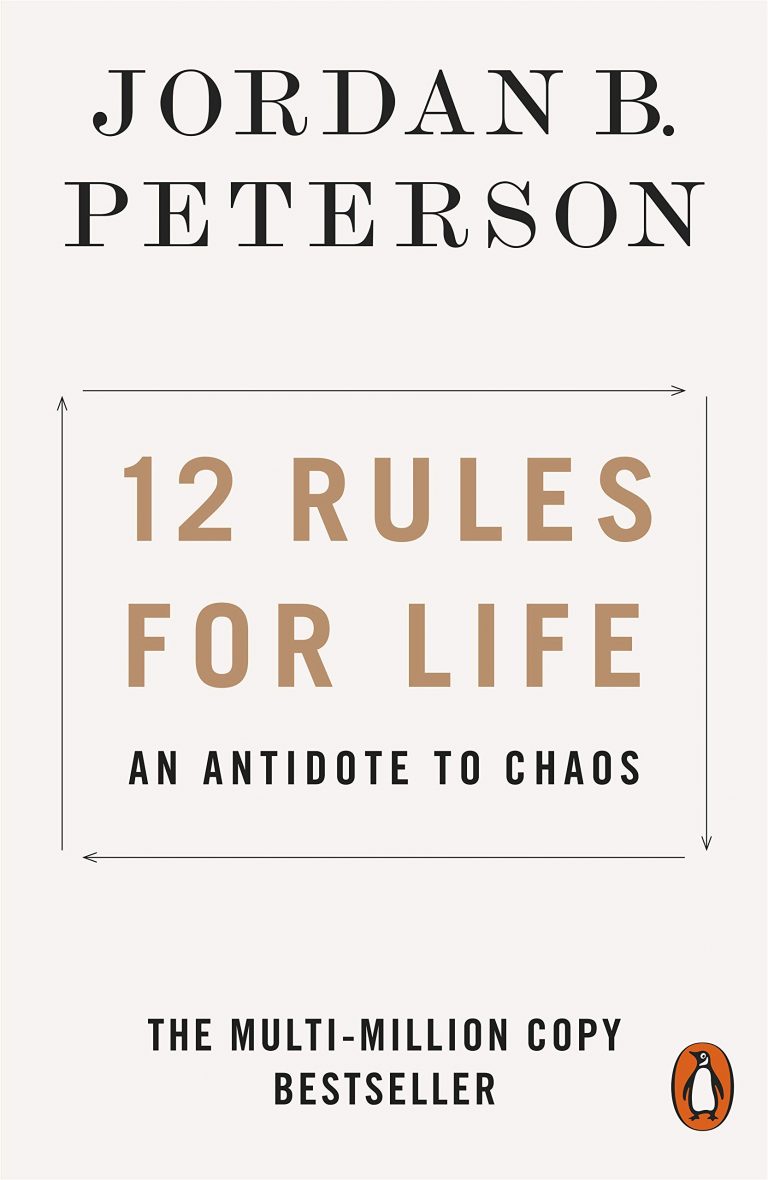
Jordan Peterson: 12 Rules for Life: An Antidote to Chaos

About the book

Originally the idea of the book came from one of Peterson’s answer in Quora service. In a way the book is a super-extended version of the Quora reply.

What are the key learnings?

Key question to Jordan Peterson is order, chaos and shared beliefs that helps people maintain orderly social contract. System of beliefs is also important part of his thinking.

“Order is where the people around you act according to well-understood social norms, and remain predictable and cooperative. Chaos, by contrast, is where—or when—something unexpected happens.”

Peterson is a kind of modern Darwinist. He sees that “chaos and order are two of the most fundamental elements of lived experience—two of the most basic subdivisions of Being itself.” So work is typically chaos. Home is order. “Chaos and order are fundamental elements because every lived situation (even every conceivable lived situation) is made up of both.” Bible is present fairly often and it’s a kind of very North American way of seeing things. But he also mixes in the book the Taoist way of living.

“A shared belief system, partly psychological, partly acted out, simplifies everyone—in their own eyes, and in the eyes of others. Shared beliefs simplify the world, as well, because people who know what to expect from one another can act together to tame the world.”

“A shared cultural system stabilizes human interaction, but is also a system of value—a hierarchy of value, where some things are given priority and importance and others are not.”

Comparison to Harari’s thinking is evident…. “So: no value, no meaning. Between value systems, however, there is the possibility of conflict.

Responsibility…. “We must each adopt as much responsibility as possible for individual life, society and the world.”

Why these rules…. “It indicates clearly that people need ordering principles, and that chaos otherwise beckons. We require rules, standards, values—alone and together.“

Meaning…. “It’s there we find the meaning that justifies life and its inevitable suffering.“

Last, but not least…. “Perhaps, if we lived properly, we wouldn’t have to turn to totalitarian certainty to shield ourselves from the knowledge of our own insufficiency and ignorance. Perhaps we could come to avoid those pathways to Hell—and we have seen in the terrible twentieth century just how real Hell can be.”

RULE 1 STAND UP STRAIGHT WITH YOUR SHOULDERS BACK

Christ: “to those who have everything, more will be given; from those who have nothing”.

We are like lobsters…. “The part of our brain that keeps track of our position in the dominance hierarchy is therefore exceptionally ancient and fundamental. It is a master control system, modulating our perceptions, values, emotions, thoughts and actions. It powerfully affects every aspect of our Being, conscious and unconscious alike. This is why, when we are defeated, we act very much like lobsters who have lost a fight. Our posture droops. We face the ground. We feel threatened, hurt, anxious and weak. If things do not improve, we become chronically depressed. Under such conditions, we can’t easily put up the kind of fight that life demands, and we become easy targets for harder-shelled bullies. And it is not only the behavioural and experiential similarities that are striking. Much of the basic neurochemistry is the same.”

Fixing things…. “It is for such reasons that I always ask my clinical clients first about sleep. Do they wake up in the morning at approximately the time the typical person wakes up, and at the same time every day? If the answer is no, fixing that is the first thing I recommend. It doesn’t matter so much if they go to bed at the same time each evening, but waking up at a consistent hour is a necessity. Anxiety and depression cannot be easily treated if the sufferer has unpredictable daily routines. The systems that mediate negative emotion are tightly tied to the properly cyclical circadian rhythms.”

“The next thing I ask about is breakfast. I counsel my clients to eat a fat and protein-heavy breakfast as soon as possible after they awaken (no simple carbohydrates, no sugars, as they are digested too rapidly, and produce a blood-sugar spike and rapid dip). This is because anxious and depressed people are already stressed, particularly if their lives have not been under control for a good while. Their bodies are therefore primed to hypersecrete insulin, if they engage in any complex or demanding activity.”

Stand-up, eat breakfast and sleep on predictable schedule…. “I have had many clients whose anxiety was reduced to subclinical levels merely because they started to sleep on a predictable schedule and eat breakfast.”

The end-result is…. “People, including yourself, will start to assume that you are competent and able (or at least they will not immediately conclude the reverse).”

RULE 2 TREAT YOURSELF LIKE SOMEONE YOU ARE RESPONSIBLE FOR HELPING

“People are better at filling and properly administering prescription medication to their pets than to themselves.”

Biblical answer. Not my cup of tea and surprising from a scientist…. “And so we return to our original query: Why would someone buy prescription medication for his dog, and then so carefully administer it, when he would not do the same for himself? Now you have the answer, derived from one of the foundational texts of mankind. Why should anyone take care of anything as naked, ugly, ashamed, frightened, worthless, cowardly, resentful, defensive and accusatory as a descendant of Adam?

RULE 3 MAKE FRIENDS WITH PEOPLE WHO WANT THE BEST FOR YOU

“You are not morally obliged to support someone who is making the world a worse place. Quite the opposite. You should choose people who want things to be better, not worse. It’s a good thing, not a selfish thing, to choose people who are good for you. It’s appropriate and praiseworthy to associate with people whose lives would be improved if they saw your life improve.”

“Friendship is a reciprocal arrangement.” 

RULE 4 COMPARE YOURSELF TO WHO YOU WERE YESTERDAY, NOT TO WHO SOMEONE ELSE IS TODAY

“Be cautious when you’re comparing yourself to others. You’re a singular being, once you’re an adult. You have your own particular, specific problems—financial, intimate, psychological, and otherwise. Those are embedded in the unique broader context of your existence. Your career or job works for you in a personal manner, or it does not, and it does so in a unique interplay with the other specifics of your life. You must decide how much of your time to spend on this, and how much on that. You must decide what to let go, and what to pursue.”

“Here’s a hint. The future is like the past. But there’s a crucial difference. The past is fixed, but the future—it could be better.”

RULE 5 DO NOT LET YOUR CHILDREN DO ANYTHING THAT MAKES YOU DISLIKE THEM

“Some localize all such problems in the adult, whether in the parent or broader society. “There are no bad children,” such people think, “only bad parents.” Because children, like other human beings, are not only good, they cannot simply be left to their own devices, untouched by society, and bloom into perfection. Even dogs must be socialized if they are to become acceptable members of the pack—and children are much more complex than dogs. This means that they are much more likely to go complexly astray if they are not trained, disciplined and properly encouraged.” 

“Rewarding good behaviour can be very effective. The most famous of all behavioural psychologists, B.F. Skinner, was a great advocate of this approach. He was expert at it. He taught pigeons to play ping-pong, although.”

“Discuss your likes and dislikes with regards to your children with your partner or, failing that, a friend. But do not be afraid to have likes and dislikes. You take responsibility for the mistakes you will inevitably make while disciplining. You can apologize, when you’re wrong, and learn to do better.”

RULE 6 SET YOUR HOUSE IN PERFECT ORDER BEFORE YOU CRITICIZE THE WORLD

“Have you cleaned up your life? If the answer is no, here’s something to try: Start to stop doing what you know to be wrong.”

RULE 7 PURSUE WHAT IS MEANINGFUL (NOT WHAT IS EXPEDIENT)

“It is better to have something than nothing. It’s better yet to share generously the something you have. It’s even better than that, however, to become widely known for generous sharing. That’s something that lasts. That’s something that’s reliable.”

Main message: “It was from this that I drew my fundamental moral conclusions. Aim up. Pay attention. Fix what you can fix. Don’t be arrogant in your knowledge. Strive for humility, because totalitarian pride manifests itself in intolerance, oppression, torture and death. Become aware of your own insufficiency—your cowardice, malevolence, resentment and hatred. Consider the murderousness of your own spirit before you dare accuse others, and before you attempt to repair the fabric of the world. Maybe it’s not the world that’s at fault. Maybe it’s you.”

Well said: “To have meaning in your life is better than to have what you want.”

RULE 8 TELL THE TRUTH—OR, AT LEAST, DON’T LIE

Untruth corrupts the soul and the state alike, and one form of corruption feeds the other.

RULE 9 ASSUME THAT THE PERSON YOU ARE LISTENING TO MIGHT KNOW SOMETHING YOU DON’T

“Psychotherapy is genuine conversation. Genuine conversation is exploration, articulation and strategizing. When you’re involved in a genuine conversation, you’re listening, and talking—but mostly listening. Listening is paying attention.”

“People think they think, but it’s not true. It’s mostly self-criticism that passes for thinking. True thinking is rare—just like true listening. Thinking is listening to yourself. It’s difficult. To think, you have to be at least two people at the same time. Then you have to let those people disagree. Thinking is an internal dialogue between two or more different views of the world.”

“Assume that the person you are listening to might know something you don’t.”

RULE 10 BE PRECISE IN YOUR SPEECH

RULE 11 DO NOT BOTHER CHILDREN WHEN THEY ARE SKATEBOARDING

Freud, Jung, Nietzsche—and Orwell—that I always wonder, “What, then, do you stand against?” whenever I hear someone say, too loudly, “I stand for this!” I believe it was Jung who developed the most surgically wicked of psychoanalytic dicta: if you cannot understand why someone did something, look at the consequences—and infer the motivation.

RULE 12 PET A CAT WHEN YOU ENCOUNTER ONE ON THE STREET

“Tajfel’s studies demonstrated two things: first, that people are social; second, that people are antisocial. People are social because they like the members of their own group. People are antisocial because they don’t like the members of other groups.”

How should we change according to the book?

Hard to say. It depends on your personal circumstances.

What should I personally do?

Enjoy the silence?

Summary

The book in six words – ”Dreams shed light on the dim places where reason itself has yet to voyage”

Kategoriat
Uncategorized

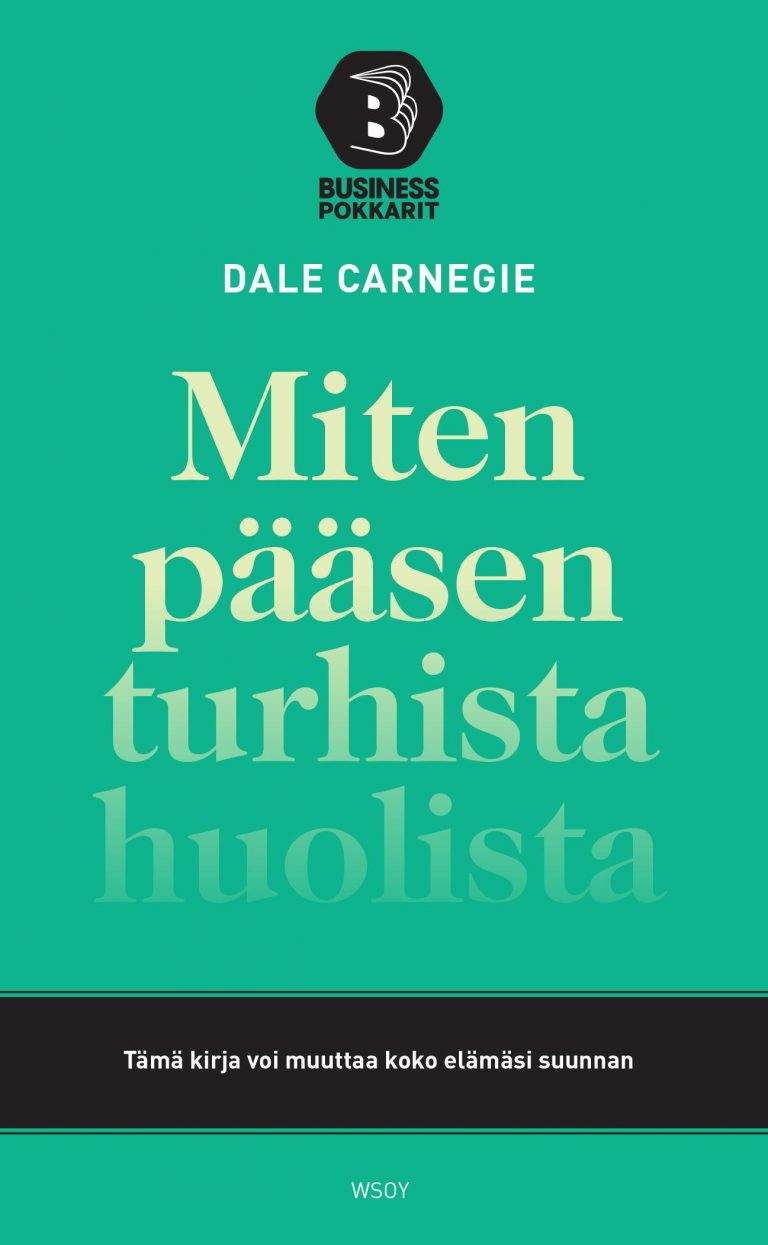
Dale Carnegie: Miten pääsen turhista huolista

Kirjasta

Ensimmäinen käännös on tehty 1951, mutta kääntäjä ei ollut kovin perehtynyt englanninkielisiin business-termeihin. Mutta ne eivät pilaa lukukokemusta. Ehkä ennemminkin palauttavat mieleen minkälaista kieli oli 1950-luvulla. Tämä kirja kannattaa silti lukea englanniksi.

Minkälainen kirja oli?

Carnegie määrittelee kirjansa ”kokoelma tehokkaita ja ajan koettelemia reseptejä, joiden avulla voimme vapauttaa elämämme turhista huolista”. Ja näin se käytännössä on. Hän on haastatellut paljon aikalaisiaan ja koostanut heidän kokemuksia kirjaan.

Paikoitellen voimakkaasti uskonnolliset näkemykset ohjaavat kirjailijan näkemyksiä. Mm. Vuorisaarnan idea ”kaikki, mitä tahdotte ihmisten teille tekevän, tehkää myös te heille samoin”. Carnegien oma resepti on Vuorisaarnan toimeenpano.

Winston Churchillin sanoin: ”Minulla on liian kiire. Ei ole aikaa olla huolissaan”. 

Carnegien kirja on yksi ensimmäisiä populäärejä yrityksiä auttaa ihmisiä pääsemän eroon turhista huolista.

Mitkä ovat kirjan keskeiset ideat? 

Dale Carnegien opit:

·      Tahto

o  Ensimmäiseksi ja tärkeimmäksi nousee tahto sekä motivaatio huolien poistamiseen.

·      Priorisoida mikä on tärkeää

o  Älkää hautoko mielessänne ajatuksia tulevaisuudesta turhaan.

·      Määritellä huolet

o  Kannattaa kirjoittaa asiain ja probleemi paperille sekä selkeyttämään mistä huolesta on kyse. Nähdä sen mitä on kirkkaasti edessämme.

·      Kiire on terveellistä

o  Pitäkää itsenne kiireisenä, niin ette ehdi turhia huolehtimaan.

·      Pikkuasiat

o  Emme saa säikähtää pikkuasioita – niitä tulee halveksia ja olla muistelematta.

·      Rajahinta

o  Huolille pitää määrätä raja kuten esim. osakkeille pitää olla rajahinta, jos aikoo niitä myydä.

·      Rukoileminen

o  Rukoileminen auttaa pukemaan ahdistuksen sanoiksi, syntyy tunne että joku kuuntelee meitä ja virittää halun tehdä jotain. Miehiset miehet rukoilevat joka päivä.

·      Kuollutta koira ei potkita

o  ”Epäoikeutettu kritiikki on monesti valepukuista kiitosta.”

·      Väsymys altistaa huolille

o  Winston Churchill teki työtä mm. sängyssä, koska hän ei halunnut toipua väsymyksestä, vaan ehkäistä sitä.

o  Henry Ford vei ajatuksen vielä pitemmälle sanomalla ”En seiso koskaan, kun voin istua, enkä istu, jos voi maata.”

·      Menneisyys

o  Sahajauhoja ei voi sahata eikä menneisyyttä.

o  Paha ei itkien parane.

Mitä meidän pitäisi tehdä kirjan perusteella?

Carnegie oli aikaansa edellä. Hän ehdotti, että työpöytä pitää aina puhdistaa turhista papereista. Pitää laittaa tehtävät tärkeysjärjestykset. Ongelmat pitää ratkaista heti ja töitä pitää osata delegoida. Ehkä hän on ollut innostamassa Konmari-kirjan syntyä.

Mitä minun pitäisi itse tehdä? 

Jack Dempsey psyykkasi itseänsä ennen ottelua. Pitäisikö sitä kokeilla?

Yhteenveto

Kirja kuudella sanalla – ”Elämämme on miksi ajatuksemme sen tekevät”.