Kategoriat
Uncategorized

Ball: Metaverse

🔵 Kävitkö katsomassa ABBA:n keikkaa Lontoossa? Jos kävit, niin tiedät jo mitä Metaverse on. Et tarvitse siis tätä kirjaa 🤩

✅ Neal Stephenson keksi sanan metaverse Snow Crash-kirjassaan (1992) ja sillä hän tarkoitti virtuaalista maailmaa, joka käsittäisi kaikki elämän osa-alueet.

✅ Twiitinmittaisesti sanottuna Metaversellä tarkoitetaan seuraavan sukupolven internettiä, jonka perusteet kumpuaa pelimaailmasta.

✅ Metaverse-kirjan tavoite on kuvata epäkypsän ja jopa hype-käsitteen sisältö sekä saada lukija mielikuvittelemaan, että minkälaisia vaikutuksia sillä on hänen liiketoimintaan. Kirjoittajan mielestä käsillä on kymmenien triljoonien dollarin arvoinen markkina. 

✅ Luettuasi kirjan tiedät, että AR, VR, ML ja pilvipalvelut ovat elementäärinen osa Metaverseä. Huom! Kaiken ei tarvitse olla 3D:tä.

✅ Mitä Metaverse käytännössä on?
• Bisneskäyttäjän näkökulmasta esimerkiksi Microsoftin Metaverse-tuoteportfoliossa on Azure, Teams, HoloLens, Xbox, LinkedIn, Minecraft, Microsoft Flight Simulator ja tietenkin Halo.
• Kuluttajalle se olisi esimerkiksi pelata yhdessä Epicin Fortnitea, katsoa yhdessä elokuvia Netflixistä tai mennä ystävien kanssa virtuaaliselle Tesla-koeajolle, jonka jälkeen Facebook tykittäisi Polestar-mainoksia ihan simona ja kaikissa kanavissa.
• Metaversessa tarvitaan myös uudet laitteet, joita voisivat olla esim. Holo, Occulus, Google Glass, iRobot/Amazon. Ja matkapuhelimista tulee kannettava serveri käyttäjän erilaisille laitteille.

✅ Mutta missä on web3 tai lohkoketjut? Web3 ei ole sama asia kuin Metaverse eikä tarvitse 3D:tä. Se on vieressä kulkeva kehityspolku. Blockchain on vuorostaan tapa siirtää valtaa alustoilta käyttäjille.

✅ Milloin Metaverse on totta? Satya Nadellanin mukaan se on jo täällä, Bill Gatesin mukaan 2-3 vuoden päästä ja Mark Zuckerbergin mukaan siitä tulee mainstremia 5-10 vuoden päästä. Abban mukaan jo eilen. “Turn world into an app canvas” (Satya Nadella).

✅ Bisnekset, joihin Metaversellä on annettavaa:
• Opetus 
• Lifestyle-tuotteet (Oura, Peloton)
• Viihde (Netflix, Supercell)
• Ihmissuhteet (Tinder)
• Muoti (Gucci)

✅ GAFAM-segmentisistä sijoituksia Metaverseen tekee eniten Facebook, keskimäärisesti Amazon ja vähiten Google sekä Apple. Microsoftilla on jo melko hyvin positioitunut portfolio.

✅ Kirja kysyy, että kuinka online- ja offline-maailmojen osuus tulee muuttumaan. Verkkokaupan osuus on nyt länsimaissa noin 20-30 %, etätyön osuus on ollut kasvussa koronan jälkeen, teollista tuotantoa virtualisoidaan jne. Toinen fundamentaalinen kysymys on identiteetti ja mitä identiteettiä hyödynnetään milloinkin. Kolmas eli kuinka eri virtuaalisten maailmat verkkovierailut hoidetaan. Viimeisin eikä vähäisin eli pitkään huulilla pyörinyt kysymys NFT-roolista (non-fungible tokens) jäsentyy kun mietitään omistuksia eri virtuaalisissa maailmoissa.

🔴 Mark Zuckerbergin mukaan “the hardest technology challenge of our time may be fitting a supercomputer into the frame of normal-looking glasses.

Kategoriat
Uncategorized

Naukkarinen: Mihin humanisteja tarvitaan?

🔵 Nopea vastaus on, että humanisteja tarvitaan valaisemaan ihmisyyttä. 

✅ Mitä on humanismi? Se on ”eräänlaista lopullista todistamista vaille jäävien jäsentelyjen tarjoamista”. Ja mikä tärkeintä – ”humanismi kasvattaa epävarmuuden sietoa”.

✅ Humanismi ja sen tulokset täyttävät sen paikan mitä – luonnontieteet, taiteet tai uskonnot, eivät pysty täyttämään. 

✅ Kriittisyys ja mielikuvituksen käyttö kuuluvat humanistin työkalupakkiin. Kirjan tavoite on usuttaa ihmiset ajattelemaan ja ottamaan kantaa perustellen asioihin, joihin ei ole olemassa ”yhtä oikeaa vastausta”. 

✅ ”Mielikuvitus on kriittisyyteen olennaisesti liittyvää perustelevaa kekseliäisyyttä ja ilman sellaista ajattelua mikään uudistamisen ei pääsisi alkuun”.

✅ Kirjan keskeinen oppi on, että humanismi on näkökulma, joka on ihmiskeskeistä, historiorientoitunutta, perustuu kieleen ja avoimeen perusteluun. Eli hyvä johtaja on kuin humanisti. Kummatkin ovat ihmiskeskeisiä, he ponnistavat historian kautta ja perustavat kieleen sekä näkemysten avoimeen perusteluun. 

✅ Naukkarinen nurkkaa humanismia melko tiukasti tieteeksi, jota tehdään akateemisesti akateemisille. Todennäköisesti käytäntö ei ole niin tiukka, kuin kirjoittaja esittää sen. 

✅ Pääviesti on, että humanistinen toiminta ei todennäköisesti edistä yhtään mitään ja samaan aikaan kaikkea mitä tarvitsemme kasvattaaksemme ihmisen itseymmärrystä. 

🔴 ”Kun lukeminen lehahtaa herkutteluksi”.

Kategoriat
Uncategorized

Keronen & Pantsar: Tienhaara

Kirjasta

Minulla on tunteenomainen tieto, että asia ei ole uusi yrityspäättäjille tai bisneskirjoja lukeville. Mutta että se on paketoitu näin vetävään muotoon, niin en tunnista vastaavaa kirjaa.

Kirjan nimi on hyvä. Kirja on pituus on melko hyvä. Noin 250 sivua ei karkottaa lukijoita.

Minkälainen kirja oli?

Kirja erittäin ajankohtaista teemaa ja kaikista kirjoista vaativa sekä suorastaan velvoittava teema yrityspäättäjä kohderyhmälle. Arvojamme kutkutteleva teos.

Kun kirjan lähtökohta on, että käsissämme on systeeminen ongelma, joka tarvitsee systeemisen ratkaisun. Semminkin, että puhutaan ilmastosta, jossa kompleksisuustasot ovat poikkeuksellisen monimuuttujaiset.

Mitkä ovat kirjan keskeiset ideat? 

Jos maapallon ihmisväestö on noussut äärimmäisestä köyhyydestä, niin tokkopa ilmastonmuutoksen estäminenkään on meille ongelma. Se vain saattaa kestää liian kauan.

Otsonikadon estämisestä voidaan ottaa oppia:

1) Myydään ajatus maailmalle.

2) Tunnistetut riskit poistetaan.

3) Nopeutetaan päätöksiä.

4) Johtajien tehtävä on johtaa taistelua ilmastonmuutosta vastaan.

5) Reilu taakanjako.

6) Dynaaminen mittaristo, joka ohjaa toimintaa uusimman tiedon valossa.

Ilmastonmuutokseen liittyvät toimet ovat olleet liian hitaita. Esimerkiksi Rooman klubista Pariisin sopimukseen kesti 43 vuotta (1972 => 2015).

Mikä hidastaa ilmastonmuutoksen estämistä. Vastaus on denialismi ja sen kolme muotoa:

1) Täydellinen kieltäminen.

2) Vääristäminen.

3) Passivoiminen.

Lähtökohtana pitää olla kotitalouksien, teollisuuden ja liikenteen päästöjen vähentäminen.

Työkaluja teollisuudelle päästöjen vähentämiseen:

– Prosessien sähköistäminen.

– Sähkön tuottaminen vähäpäästöisesti.

– Kiertotalous.

– Prosessi-innovaatiot.

– Putkenpää ratkaisut eli hiilidioksidin talteenottaminen.

Kokonaisuutta kun tarkastellaan, niin liikenne on keskeinen päästöjen lähde. Se tuottaa 25% hiilidioksiidipäästöistä ja 16% kasvihuonepäästöistä.

Kotitaloudet vastaavat 66 % Suomen hiilijalanjäljestä. Siitä 29 % tulee asumisesta, 30 % liikenteestä ja 22 % muusta kulutuksesta. Keinoja näiden vähentämiseen ovat: vihreä sähköä asumiseen, vähäpäästöiset autot ja ruokavalinnat lihattomaksi.

Yhteenvetona kirjassa todetaan, että päähuomiot ovat kolme tietä tulevaisuuteen:

1) Pannuhuone, jossa paistumme kaikki.

2) Systeeminen ratkaisu, kuten Pariisin sopimus.

3) Kiertotalous käyttöön.

Mitä meidän pitäisi tehdä kirjan perusteella?

Melko varmasti jokainen yrityspäättäjä voi vaikuttaa, mutta osittain kirjan neuvot jäävät metatasolle.

Mitä minun pitäisi itse tehdä? 

”Sinun täytyy olla se muutos, jonka haluat nähdä maailmassa”. (Mahatma Gandhi)

Yhteenveto

Kuusi sanaa: Hiilineutraalin maailmaan investoiminen. Use it or lose it.

Kategoriat
Uncategorized

Hastings & Meyer: No Rules Rules

Kirjasta

Tämä on kiehtova kirja, jossa on hyvä konsepti. Kirjana se eroaa amerikkalaisesta bisneskirjallisuuden genrestä ja ennustan sille hyvää sijoitusta Financial Timesin kirjakilpailussa, jossa se kisaa mm. Samsungin ja Instagramin tarinan kanssa.

Minkälainen kirja oli?

Kirjan konsepti on onnistunut toteutus. Kirjan ovat kirjoittaneet Erin Meyer – professori, ja Reed Hastings – Netflixin toimitusjohtaja. He purkavat Netflixin kasvukaavaa sekä menetelmiä vuorovetoina. Hastings kertoo toimeenpanosta ja Meyer teoretisoi taustoja. Toiseksi kirjassa ei ole normaali yhtiön glorifiointia tai pelkästään puusilmäistä liiketoiminnan voitonjuhlia. Kolmanneksi – kirjan teemat kantavat loppuun asti. Toisinaan bisneskirjojen ydin on kerrottu kirjan ensimmäisen 30 % aikana. Loppu kirjasta kuluukin sitten todisteluun sekä toistoon. ”No Rules Rules”-kirjassa tätä ei tapahdu.

Olen myös haistavinani Jim Collinsin oppeja kirjasta. Ja miksei olisi koska Netflix on uusiutunut monissa internet-liiketoiminnan aalloissa – alkaen pöytä-pc aikakaudesta tänne tekoälyn esisoittoihin.

Start-up -kirjaksi se jättää jälkeen kaiken pitkäpiimäisen selostuksen kuinka vaikeaa oli rahoituksen järjestäminen, hallitustyöskentelystä sekä miten yhtiö oli hilkulla ajautua konkurssiin, mutta pelastui raikkaalta tuntuvan Immelmannin silmukan ansiosta. 

Tämän sanottuani, niin kirjasta kannattaa lukea suurella mielenkiinnolla Hastingisin sekä Blockbusterin toimitusjohtajan kohtaaminen. Se on herkullinen kohtaaminen. Siis tarina kuinka Netflix tarjoutui Blockbusterin ostettavaksi, mutta he torjuivat yritysosto mahdollisuuden. #fail

Mitkä ovat kirjan keskeiset ideat? 

Ennen ensimmäistäkään oppia tai ideaa, niin tärkeää on tunnistaa, että Netflix on kolme kertaa onnistunut uudistamaan liiketoimintakonseptia ja kaikilla kerroilla he ovat onnistuneet siinä. Miten?

  1. Netflix aloitti internet-palveluna, joka postitti asiakkailleen DVD-elokuvia.
  2. Netflix siirtyi suoratoistopalveluksi.
  3. Neflix ryhtyi julkaisemaan omia elokuvia sekä sarjoja.

Tähän ei kovin moni start-up ole yltänyt. Tämän veroista orgaanisen kasvu-uraa voi löytää esimerkiksi Amazonista sekä Applesta. Mutta Google sekä Facebook polkevat vielä samaa polkua.

Viimeisimmän kasvun ajurina on ollut omat sisällöt. Vuosi 2015 ja Stranger Things oli käännekohta Netflixin omalle tuotannolle. Aikaisemmin he olivat lisensoineet yksinoikeudella muiden sarjoja. Vuonna 2015 he ostivat käsikirjoituksen, mutta ryhtyivät tuottajaksi itse. Studiosta alkaen. Strager Thing julkaistiin 2016 ja samana vuonna se pääsi Golden Globe -ehdokkaaksi.

Hastings sekä Meyer nimeävät kolme tekijää, joka tekee Netflixistä erityisen:

  1. Ihmiset. Yrityskulttuurissa arvostettiin ihmistä yli prosessin.
  2. Innovaatiot. Painotus oli innovaatioissa yli tehokkuuden sekä
  3. Byrokratia. Sääntöjä sekä tarkkoja ohjeistuksia oli vähän.

Nämä yhdessä johtivat lahjakkuuskeskittymään. Netflixin kasvukaava on siis:

Ihmiset + Innovaatiot + Ei-byrokratia = Lahjakkuuskeskittymä

Selittäviä tekijöitä on Netflixin kyvykkyys luoda liiketoimintaa trendeissä. Ensimmäisessä aallossa he rakensivat liiketoiminnan internet-tilauksiin, kun kilpailijat toimivat kivijalkaliiketoiminnassa. Seuraavassa vaiheessa he ottivat käyttöön streaming-teknologian jakelutieksi. Ja viimeisin on ollut oma sisällöntuotanto.

Suomi mainittu! …. Blockbuster’s story is not an anomaly. The vast majority of firms fail when their industry shifts. Kodak failed to adapt from paper photos to digital. Nokia failed to adapt from flip phones to smartphones. AOL failed to adapt from dial-up internet to broadband.

Mainitsemisen arvoinen tekijä Netflixin tarinassa on suora palaute. Sillä he tarkoittavat, että kaikki saavat ja antavat välittömästi palautetta toistensa toiminnasta. Se korjaa nopeammin prosessia kuin yksikään työpaja. Mutta miten se saadaan toimimaan ilman, että ihmisten tunteita loukataan ja, että se toimii kehittävänä, niin on salaisuus jonka vain netflixläiset ja heidän yrityskulttuuri tietää. Kirjan pitkistä selityksistä huolimatta.

”Increase candor. Talented employees have an enormous amount to learn from one another. But the normal polite human protocols often prevent employees from providing the feedback necessary to take performance to another level. When talented staff members get into the feedback habit, they all get better at what they do while becoming implicitly accountable to one another, further reducing the need for traditional controls.” 

Ja kun suora palaute korjaa toimintaa, niin voidaan poistaa säännöt sekä ohjeistus:

”Reduce controls. Start by ripping pages from the employee handbook. Travel policies, expense policies, vacation policies—these can all go. Later, as talent becomes increasingly denser and feedback more frequent and candid, you can remove approval processes throughout the organization, teaching your managers principles like, “Lead with context, not control,” and coaching your employees using such guidelines as, “Don’t seek to please your boss.””

Miten Netflix syntyi? Netflixin syntyhistoria on hyvä kertoa lyhetämättömänä:

“In the 1990s, I liked to rent VHS videos from the Blockbuster down the street from our house. I’d take two or three at a time and return them quickly to avoid late fees. Then one day I moved a pile of papers on the dining room table and saw a cassette that I’d watched weeks ago and forgotten to return. When I took the movie back to the store, the woman told me the fee: $40! I felt so stupid.”

Reed Hasting perusti Netflixin, koska koki saavansa huonoa palvelua sekä innostuivat Amazonin saamasta menestyksestä. Plus heillä oli lakupääoma aikaisemmasta yrityskaupasta.

Kuinka Netflix yhdisti pisteet? Niitä on kaiken kaikkiaan 10 ja omalla tavallaan se on kirjan punainen lanka. Connecting the dots….

  1. Tyrmäävät työkaverit

THE FIRST DOT This is the most critical dot for the foundation of the whole Netflix story. A fast and innovative workplace is made up of what we call “stunning colleagues”—highly talented people, of diverse backgrounds and perspectives, who are exceptionally creative, accomplish significant amounts of important work, and collaborate effectively. What’s more, none of the other principles can work unless you have ensured this first dot is in place.

  • Suora palaute sekä auktoriteettien haastaminen

THE SECOND DOT If you have a group of people who are highly talented, thoughtful, and well-meaning, you can ask them to do something that is not at all natural but nonetheless incredibly helpful to a company’s speed and effectiveness. You can ask them to give each other loads of candid feedback and challenge authority.

  • Poista säännöt ja lopeta ohjeistaminen

THE THIRD DOT Once you have a workforce made up nearly exclusively of high performers, you can count on people to behave responsibly. Once you have developed a culture of candor, employees will watch out for one another and ensure their teammates’ actions are in line with the good of the company. Then you can begin to remove controls and give your staff more freedom. Great places to start are the lifting of your vacation, travel, and expense policies. These elements give people more control over their own lives and convey a loud message that you trust your employees to do what’s right. The trust you offer will in turn instill feelings of responsibility in your workforce, leading everyone in the company to have a greater sense of ownership.

  • Maksa markkinoita parempaa palkkaa ja pidä lahjakkuuskeskittymä tiiviinä.

THE FOURTH DOT In order to fortify the talent density in your workforce, for all creative roles hire one exceptional employee instead of ten or more average ones. Hire this amazing person at the top of whatever range they are worth on the market. Adjust their salary at least annually in order to continue to offer them more than competitors would. If you can’t afford to pay your best employees top of market, then let go of some of the less fabulous people in order to do so. That way, the talent will become even denser.

  • Luo sekä toteuta luottamusta.

THE FIFTH DOT If you have the best employees on the market and you’ve instituted a culture of open feedback, opening up company secrets increases feelings of ownership and commitment among staff. If you trust your people to handle appropriately sensitive information, the trust you demonstrate will instigate feelings of responsibility and your employees will show you just how trustworthy they are.

  • Poista päätöksenteko ja annan ihmisten omat bisnespäätöksensä.

THE SIXTH DOT If you have high talent density and organizational transparency firmly in place, a faster, more innovative decision-making process is possible. Your employees can dream big, test their ideas, and implement bets they believe in, even when in opposition to those hierarchically above them.

  • Jokaisella työntekijällä on oikeus ”pito-testiin”

THE SEVENTH DOT The Keeper Test has helped to elevate the talent density at Netflix to a level rarely seen in other organizations. If each manager considers carefully, on a regular basis, whether every employee on the team is indeed the best choice for that position and replaces anyone who isn’t, performance across the organization soars to new heights.

  • Varmista, että suora palaute toteutuu

THE EIGHTH DOT If you’re serious about candor at some point, you do need to implement mechanisms to assure candor happens. With just two institutional processes you can ensure that everyone gets candid developmental feedback at regular intervals.

  • Vapaus päättä

THE NINTH DOT In a loosely coupled organization, where talent density is high and innovation is the primary goal, a traditional, control-oriented approach is not the most effective choice. Instead of seeking to minimize error through oversight or process, focus on setting clear context, building alignment of the North Star between boss and team, and giving the informed captain the freedom to decide.

  1. Sopeuta kulttuuria.

THE LAST DOT … FOR NOW When giving feedback with those from your own culture, use the 4A approach. But when giving feedback around the world, add a 5th A: The 4As are as follows: Aim to assist Actionable Appreciate Accept or decline Plus one makes 5: Adapt—your delivery and your reaction to the culture you’re working with to get the results that you need. We still have a lot to learn about integrating our corporate culture into our growing number of offices around the world. At most QBRs, we have at least one discussion about corporate culture. As the majority of our future growth is outside the US, we increasingly focus these discussions on how to make our values work in a global context. What we’ve learned is that in order to integrate your corporate culture around the world, above all you have to be humble, you have to be curious, and you have to remember to listen before you speak and to learn before you teach. With this approach, you can’t help but become more effective every day in this ever-fascinating multicultural world.

Suora palaute, jolla on positiivinen tavoite. Negatiivissävytteisellä palautteella ei ole sijaa.

“That’s when we coined the expression “Only say about someone what you will say to their face.” I modeled this behavior as best I could, and whenever someone came to me to complain about another employee, I would ask, “What did that person say when you spoke to him about this directly?” This is pretty radical. In most situations, both social and professional, people who consistently say what they really think are quickly isolated, even banished.”

Koska tutkimuksen mukaan vain suora palaute auttaa ihmistä saavuttamaan parempia kuin tuloksia kuin pelkkä kannustava palaute:

“In a 2014 study, the consulting firm Zenger Folkman collected data on feedback from almost one thousand people. They found that, despite the blissful benefits of praise, by a roughly three-to-one margin, people believe corrective feedback does more to improve their performance than positive feedback. The majority said they didn’t find positive feedback to have a significant impact on their success at all.”

Valmentamisesta tuttuja tilastoja:

“Statistics from the same survey: 

⁃ 57 percent of respondents claim they would prefer to receive corrective feedback to positive feedback. 

⁃ 72 percent felt their performance would improve if they received more corrective feedback. 

 ⁃ 92 percent agreed with the comment, “Negative feedback, if delivered appropriately, improves performance.”

Miten aloittaa suoran palautteen antaminen?

  • Esimiesten pitää ensin oppia ottamaan palautetta alaisiltaan, jonka jälkeen on mahdollista antaa omalle tiimilleen palautetta.

“The first is not the most intuitive. You might think the first step for cultivating candor would be to begin with what’s easiest: having the boss give copious feedback to her staff. I recommend instead focusing first on something much more difficult: getting employees to give candid feedback to the boss. This can be accompanied by boss-to-employee feedback. But it’s when employees begin providing truthful feedback to their leaders that the big benefits of candor really take off.”

Palautteen antaminen pitää olla osa agendaa:

”The first technique our managers use to get their employees to give them honest feedback is regularly putting feedback on the agenda of their one-on-one meetings with their staff. Don’t just ask for feedback but tell and show your employees it is expected. Put feedback as the first or last item on the agenda so that it’s set apart from your operational discussions. When the moment arrives, solicit and encourage the employee to give feedback to you (the boss) and then—if you like—you can reciprocate by giving feedback to them.”

Muista palautteen antamisen hetkellä antaa ihmisten tuntea, että on hyväksyttävää antaa palautetta:

”Your behavior while you’re getting the feedback is a critical factor. You must show the employee that it’s safe to give feedback by responding to all criticism with gratitude and, above all, by providing “belonging cues.” As Daniel Coyle, author of The Culture Code, describes them, such cues are gestures that indicate “your feedback makes you a more important member of this tribe” or “you were candid with me and that in no way puts your job or our relationship in danger; you belong here.” I speak with my leadership team frequently about displaying “belonging cues” in situations when an employee is providing feedback to the boss, because an employee who is courageous enough to give feedback openly is likely to worry, “Will my boss hold it against me?” or “Will this harm my career?” A belonging cue might be a small gesture, like using an appreciative tone of voice, moving physically closer to the speaker, or looking positively into that person’s eyes.”

Miten Netflixillä annetaan palautetta?

1. AIM TO ASSIST: Feedback must be given with positive intent. Giving feedback in order to get frustration off your chest, intentionally hurting the other person, or furthering your political agenda is not tolerated. Clearly explain how a specific behavior change will help the individual or the company, not how it will help you. “The way you pick your teeth in meetings with external partners is irritating” is wrong feedback. Right feedback would be, “If you stop picking your teeth in external partner meetings, the partners are more likely to see you as professional, and we’re more likely to build a strong relationship.” 

2. ACTIONABLE: Your feedback must focus on what the recipient can do differently. Wrong feedback to me in Cuba would have been to stop at the comment, “Your presentation is undermining its own messages.” Right feedback was, “The way you ask the audience for input is resulting in only Americans participating.” Even better would have been: “If you can find a way to solicit contributions from other nationalities in the room your presentation will be more powerful.” 

Miten Netflixillä vastaanotetaan palautetta?

3. APPRECIATE: Natural human inclination is to provide a defense or excuse when receiving criticism; we all reflexively seek to protect our egos and reputation. When you receive feedback, you need to fight this natural reaction and instead ask yourself, “How can I show appreciation for this feedback by listening carefully, considering the message with an open mind, and becoming neither defensive nor angry?” 

4. ACCEPT OR DISCARD: You will receive lots of feedback from lots of people while at Netflix. You are required to listen and consider all feedback provided. You are not required to follow it. Say “thank you” with sincerity. But both you and the provider must understand that the decision to react to the feedback is entirely up to the recipient.

Miten Netflixillä poistettiin säännöt, ohjeistukset sekä rajoitteet? Lomaoikeudet poistettiin ja pomot näyttivät esimerkkiä lomalla olemisesta sekä kertoivat aktiivisesti mitä tekivät lomillaan. Kannustivat kaikkia samanlaiseen toimintaan.

Vapauksien antaminen tuo vastuullisuutta:

  • GIVE FREEDOM TO GET RESPONSIBILITY
  • ACT IN NETFLIX’S BEST INTEREST
  • GREAT GAINS: FREE, FAST, AND (SURPRISINGLY) FRUGAL

Ennenkuin saa poistettua kaikki hallinnolliset reunaehdot, niin pitäisi olla firma täynnä dream teamia:

”Once you have developed a culture of candor, employees will watch out for one another and ensure their teammates’ actions are in line with the good of the company. Then you can begin to remove controls and give your staff more freedom. Great places to start are the lifting of your vacation, travel, and expense policies.”

Miten määrittelet dream teamin? Dream teamin määritelmä on “the success of Netflix is founded on these types of unlikely stories: small teams consisting exclusively of significantly above-average performers—what Reed refers to as dream teams—working on big hairy problems.” 

…. ja sitten toteutetaan ”Rock-tähti -periaatteella”:

”But, as an engineer, I was familiar with a concept that has been understood in software since 1968, referred to as the “rock-star principle.” The rock-star principle is rooted in a famous study that took place in a basement in Santa Monica. At 6:30 a.m. nine trainee programmers were led into a room with dozens of computers. Each of them was handed a manila envelope explaining a series of coding and debugging tasks they would need to complete to their best ability in the next 120 minutes. Millions of keystrokes have since been devoted to discussing the results on the internet. The researchers expected to find that the best of the nine programmers would outperform his average counterpart by a factor of two or three. But of the group of nine, all of whom were at least adequate programmers, the best far outperformed the worst. The best guy was twenty times faster at coding, twenty-five times faster at debugging, and ten times faster at program execution than the programmer with the lowest marks. The fact that one of these programmers would so dramatically out-perform another has caused ripples across the software industry ever since, as managers grapple with how some programmers can be worth so much more than their perfectly adequate colleagues. With a fixed amount of money for salaries and a project I needed to complete, I had a choice. I could hire ten to twenty-five average engineers or I could hire one “rock-star” and pay significantly more than what I’d pay the others, if necessary.”

Väärin. Hastingsin mukaan Rock-tähti -periaatteen suhdeluku on lähemmäs 100-kertainen eikä 20-kertainen…..

Isot palkat….

”Big salaries are good for innovation.” People are most creative when they have a big enough salary to remove some of the stress from home. But people are less creative when they don’t know whether or not they’ll get paid extra. Big salaries, not merit bonuses, are good for innovation.

Differoituminen….

“Many imagine you lose your competitive edge if you don’t offer a bonus. We have found the contrary: we gain a competitive edge in attracting the best because we just put all that money into salary.”

Vinkki vitonen. Läpinäkyvyys videään myös työpaikkatarjouksiin…. ”Then we told all our employees they should start taking those calls from recruiters and tell us what they learned. Patty developed a database where everyone could input the salary data points they received from calls and interviews.”

Erilaistua voi monella eri tavalla….. The rule at Netflix when recruiters call is: “Before you say, ‘No thanks!’ ask, ‘How much?’”

Tiedätkö kuinka monta salaisuutta ihmisellä on? 13 salaisuutta, joista viittä hän ei ole koskaan paljastanut kenellekkään. Mutta salaisuuksien voima on, että ne ovat salaisuuksia kunnes ne eivät enää ole salaisuuksia…. STUFF OF SECRETS = SOS: 

“SOS will be our term (not a Netflix term) for information you might commonly choose to keep quiet because it would be dangerous to divulge. Sharing the information might lead to a negative judgment, risk upsetting people, cause mayhem, or break up a relationship. Otherwise we wouldn’t feel an urge to keep it to ourselves. SOS information at work might be things like the following: 

 ⁃ You are considering a reorganization and people might lose their jobs. 

 ⁃ You’ve fired an employee but explaining why would hurt his reputation. 

 ⁃ You have “secret sauce”: information you don’t want to leak out to your competitors. 

 ⁃ You made a mistake that could hurt your reputation, maybe ruin your career. 

 ⁃ Two leaders are in conflict, and if their teams knew, it would lead to unrest.

 ⁃ Employees could go to jail if they share certain financial data with a friend.” 

Organizations are full of SOS. Every day, managers grapple with the questions: “Should I tell my people? And if so, at what risk?” But keeping quiet brings risks too, as Reed’s fear and falling productivity at Coherent Software demonstrated all those years ago.

Kun Netflixillä tehdään päätöksiä, niin niiden pitää olla hyviä. Hyvä päätös on:

⁃ “A solid grasp of the context, 

 ⁃ feedback from people with different perspectives, and 

 ⁃ awareness of all the options.”

On Netflix tehnyt virheitä(kin). Esim. Qwikster…..

We now say that it is disloyal to Netflix when you disagree with an idea and do not express that disagreement. By withholding your opinion, you are implicitly choosing to not help the company: https://m.youtube.com/watch?v=dDAbdMv14Is

THE KEEPER TEST:

IF A PERSON ON YOUR TEAM WERE TO QUIT TOMORROW, WOULD YOU TRY TO CHANGE THEIR MIND? OR WOULD YOU ACCEPT THEIR RESIGNATION, PERHAPS WITH A LITTLE RELIEF? IF THE LATTER, YOU SHOULD GIVE THEM A SEVERANCE PACKAGE NOW, AND LOOK FOR A STAR, SOMEONE YOU WOULD FIGHT TO KEEP.

Mitä meidän pitäisi tehdä kirjan perusteella?

Hastings ja Meyer haluavat huomioida, että heidän ajatuksensa ja menetelmät eivät sovi kaikkeen. Esimerkiksi he mainitsevat:

“With this in mind, you can consider your objective carefully before deciding when to opt for freedom and responsibility and when rules with process would be a better choice. Here are a set of questions you can ask in order to select the right approach: 

⁃ Are you working in an industry where your employees’ or customers’ health or safety depends on everything going just right? If so, choose rules and process. 

⁃ If you make a mistake, will it end in disaster? Choose rules and process. 

⁃ Are you running a manufacturing environment where you need to produce a consistently identical product? Choose rules and process.”

Eli meidän pitää…. “But now, with the growth in importance of intellectual property and creative services, the percentage of the economy that is dependent on nurturing inventiveness and innovation is much higher and continually increasing.”

Mitä minun pitäisi itse tehdä? 

Koska tutkimuksen mukaan vain suora palaute auttaa ihmistä saavuttamaan parempia tuloksia kuin pelkkä kannustava palaute, niin ryhtyä antamaan suoraa palautetta positiivisella tavoitteella. Sitä minun pitäisi tehdä – enemmän.

Yhteenveto

Kuusi Sanaa kirjasta: ”We hire you for your opinions”……. ”Every person in that room is responsible for telling me frankly what they think.”

Kategoriat
Uncategorized

Frier: No Filter (Instagram)

Kirjasta

Jos kirjoittaisin seuraavan kirjan kasvusta, niin se nimi olisi ”Growth 101”. Siinä olisi sata ja yksi tarinaa kasvusta. Instagram olisi yksi niistä kirjoista.

Minkälainen kirja oli?

”No Filter”-kirja on tarina kuinka tutkia uutta teknologiaa ja oppia sieltä liiketoimintamahdollisuuksia.

Mitkä ovat kirjan keskeiset ideat? 

Kuinka monella Instagramin käyttäjällä on yli 50 000 seuraajaa? Yli 200 miljoonalla käyttäjällä (Lähde: Dovetale)

Mikä on Instagramin liikevaihto? 20 miljardia dollaria vuonna 2019. Se on hieman vähemmän kuin Nokian liikevaihto.

Haluatko kehittää menestyvän sovelluksen? Tee näin:

1. Hanki läjäpäin käyttäjiä

2. Hanki brändejä hyödyntämään sovellustasi.

3. Hanki julkkiksia promoamaan sovellustasi.

4. Hanki asema, jolla olet osa valtavirtaa. (Siegler/TechCrunch)

Mikä on Instagramin kasvukaava?

iPhonen kamera + 3G-verkot + Facebookin/Twitterin käyttäjät = 1 miljardi käyttäjää

Mikä teki Instgramista erikoisen? Suodattimet, joilla sait kuvasi eläväiseksi

Mikä sovellus pitäisi ensimmäiseksi tehdä kun tulee uusi teknologiamurros? iFart ja Bikini Blast

Miten Instagram syntyi? Kuvat ja niiden suodattimet tekivät IG:n. “Krieger and Systrom started the exercise by making a list of the top three things people liked about Burbn. One was Plans, the feature where people could say where they were going so friends could join them. Another was photos. The third was a tool to win meaningless virtual prizes for your activity, which was mostly a gimmick to get people to log back in. Not everybody needed plans or prizes. Systrom circled “photos.” Photos, they decided, were ubiquitous, useful to everybody, not just young city dwellers.

It was the culture that drove homepage leader Marissa Mayer, who later became CEO of Yahoo!, to famously test 41 shades of blue to figure out what color would give the company’s hyperlinks the highest click-through rate. A slightly purpler blue shade won out over slightly greener shades, helping boost revenue by $200 million a year. Seemingly insignificant changes could make a huge difference when applied to millions or billions of people.

Soon after, he tested his work on a photo he took of a sandy-colored dog he came across in front of a taco stand. The dog is looking up at Schuetz, whose sandaled foot appears in the corner of the shot. And that, on July 16, 2010, was the first-ever photo posted on the app that would become Instagram.

She was pulling together a conference focused on mobile photography, called “1197,” after June 11, 1997, the day the first camera-phone photo was shared.

Miten Facebook voitti Instagramin luottamuksen ja pääätyivät yritysjärjestelyyn? Instagramin perustajille luvattiin täydellinen itsenäisyys, mutta suuren yrityksen tuki.

Kannattiko Instagramin myydä itsensä? Kyllä – todennäköisesti eivät olisi pystyneet niin nopeasti kasvamaan tai ainakin kilpailijat olisivat saaneet mahdollisuuden kasvaa yhtä nopeasti ilman Facebookin tukea.

Obs…. vain mobiilisovellus…. siihen aikaan kova juttu…. Even though it was a mobile-only product, it didn’t make any money and, in Facebook’s opinion, wasn’t big enough to start.

Kasvu oli Facebookin ”moral mission” ja kaikki perustui personointiin, joka rahoitettiin myymällä yksiklötasolle vietyyn mainontaan. Kauniit kuvat ja hyvä pössis olivat Instagarmin ”moral mission” eikä mikään muu.

Mikä tästä tarinasta tekee erikoisen? Kuinka kasvattaa start-uppia start-upin sisällä.

Facebookin erikoisuus on, että kuka tahansa pääsee käsiksi FB:n koodikantaan, joka periaatteessa mahdollistaa uusien ominaisuuksien vienti tuotantoon joka sekunti.

Growth 101…. Krieger and Systrom started to understand the strengths of their position: they could learn all of Facebook’s tricks, and then they could understand the pros and cons of those moves by looking at how Facebook’s own product had succeeded or failed. Then, hopefully, they could decide to take a different path if they thought it necessary.

Facebook tarjosi Instagramille pääsyn moderointiin, käännöksiin, erilaisiin työkaluja kuten poistumasovellus (Retention tool).

Kirjan perusteella on selvää, että IG keksittiin vasta FB:n sisällä:

1. The biggest was “community first,” meaning all their decisions should be centered around preserving a good feeling when using Instagram, not necessarily a more fast-growing business. Too many notifications would violate that principle.

2. Then there was “simplicity matters,” meaning that before any new products could roll out, engineers had to think about whether they were solving a specific user problem, and whether making a change was even necessary, or might overcomplicate the app. It was the opposite of Facebook’s “move fast and break things,” where building for growth was valued over usefulness or trust.

3. There was also “inspire creativity,” which meant Instagram was going to try to frame the app as an artistic outlet, training its own users and highlighting the best of them.

4. Systrom needed to follow Zuckerberg’s thesis, that moneymaking should come only after the network had staying power.

Seuraavaksi:

• Facebook started out with text;

• Instagram started out with photos.

• The next generation of social apps was all about video. <= TikTok

Ensimmäinen mainosmyyntioperaatio toteutettiin vasta loppuvuonna 2013 Michael Korsin kanssa.

Miten kasvaa IG;ssä?

• There were some ways to manipulate the system. There was still a “Popular” page, showing what was trending on the app.

• There were hashtags, via which people could discover others they weren’t following.

Edut olla osa Facebook-konsernia:

• Finding talented employees was easy, as a good portion of the team had worked at Facebook previously and transferred over.

• New product features could be spun up quickly too because whatever code Facebook built, Instagram could borrow and customize like a template.

• Facebook’s growth team knew all the tricks to help Instagram get to 1 billion users one day. If Instagram wanted to be as big as Facebook, they could copy the strategy.

Osa kasvukaavaa oli hankkia ja kasvattaa uusia somevaikuttajia:

”She made a list of 500 of them, then asked Facebook data scientists for help understanding their impact. They found that about a third of Instagram’s user base followed at least one of the people on her list. Perle, like Porch, thought that Instagram should have a role in creating future mainstream celebrities—and that it would be important to build relationships with the ones who hadn’t quite become stars yet but had high interest from their audiences. Short of paying them, she could be behind the scenes boosting their careers, giving them a good feeling about continuing to post, maintaining Instagram’s relevance among teens.”

Lukuvinkki: A. G. Lafley – “Playing to Win”.

Miksi Snapchat on suosittu? “It turned out stars had the same trouble teens did: they didn’t want to overload their followers or post things that would last forever.”

Snapillä ja IG:llä oli paljon samaa julkisuuden henkilöiden peliä kuin Twitterillä. Mutta kirjan ehdottoman tylsimpiä osioita on Snapchatin ominaisuuksien kopioinnin kanssa painiminen. Se olivat tylsää selostusta. Tuoteominaisuuksien kanssa olisi vain pitänyt toimia. ”Just do it!”

Vaalit ja sosiaalinen media:

• In the internal paper, the employee explained that Trump had outspent Clinton between June and November, paying Facebook $44 million compared to her $28 million. And, with Facebook’s guidance, his campaign had operated like a tech company, rapidly testing ads using Facebook’s software until they found the perfect messaging for various audiences.

• Trump’s campaign had a total of 5.9 million different versions of his ads, compared to Clinton’s 66,000, in a way that “better leveraged Facebook’s ability to optimize for outcomes,” the employee said.

• Most of Trump’s ads asked people to perform an action, like donating or signing up for a list, making it easier for a computer to measure success or failure. Those ads also helped him collect email addresses. Emails were crucial, because Facebook had a tool called Lookalike Audience. When Trump or any advertiser presented a set of emails, Facebook’s software could find more people who thought similarly to the members of the set, based on their behavior and interests. Clinton’s ads, on the other hand, weren’t about getting email addresses. They tended to promote her brand and philosophy. Her return on investment would be harder for Facebook’s system to measure and improve through software. Her campaign also barely used the Lookalike tool.

TV-mainonta ja Facebookin mainosmyynti:

• The first problem was about how Facebook fit into its users’ days. While people spent an average of about 45 minutes per day on Facebook, known internally as the “big blue app,”

• They were doing so in short sessions—an average of less than 90 seconds per sitting, according to an internal data analysis.

• They were not lounging with Facebook on their couches so much as they were checking it at bus stops, in line for coffee, and on toilet seats. That was a problem if Facebook wanted a bigger chunk of the most valuable advertising market: television.

• 28 minuuttia….. One night around dinnertime, he messaged Develin, saying he’d come up with a time-spent estimate for Instagram for the second half of 2017. He expected each user would spend about 28 minutes a day on the app.

•  Because Facebook’s average revenue per user was so much higher, any minutes spent on Instagram instead of Facebook would be bad for the company’s profitability, he argued. Systrom disagreed. “This is not Instagram taking away from the Facebook pie to add to the Instagram pie,” he said in their Monday morning leadership meetings. “The total pie is getting bigger.”

a different kind of covert manipulation, driven not by politics but by economics: influencer advertising on Instagram.

• It started with a paisley-patterned dress. Lord & Taylor, a retailer, paid 50 different fashion influencers on Instagram between $1,000 and $5,000 to wear the same blue-and-orange dress on one weekend in 2015. Using captions approved by the company, the influencers had to include the hashtag #designlab and tag @lordandtaylor. But importantly, they didn’t have to say they were paid.

Instagramin suurin vaikutus kansantalouksiin on, että he jos kukaan synnyttivät vaikuttajamarkkinoinnin – new economy of influence.

Toisaalta on laskettu, että IG on välillisesti tai välittömästi aiheuttanut ainakin 259 kuolemaa. ”Several of them cited a study that logged 259 deaths during attempted selfies between 2011 and 2017, mostly by people in their early twenties taking unnecessary risks.”

Irrationaalisia, mutta differoivia tuotepäätöksiä: “It would be a few more years before Instagram took its next big swing at addressing feelings of inadequacy on the site, with a test removing like counts in 2019.

• At the end of 2019, Instagram announced that it would stop letting people see the like count on other users’ photos. Results from a months-long test of the change showed positive effects on behavior, though Instagram wouldn’t say exactly what the effects were. The like hiding, Adam Mosseri explained, was intended to reduce the inadequacy users feel when they compare their success to others, “to try and make Instagram feel less pressurized, to make it less of a competition.”

• The app also started telling users when they’d seen all the new posts in their feed, so they could stop scrolling. Both moves were praised by the media and celebrities. Instagram seemed to be standing up for the well-being of its community.

Kasvustrategiasta: “All they had to do was follow Facebook’s playbook and adopt some of the strategies they’d been so careful about avoiding, like sending more frequent notifications and suggestions to users about who else they should follow. Those moves, some of which had seemed tasteless in the past, instantly sounded a lot more reasonable now that Instagram’s trajectory was threatened. Instagram had long been able to scoff at Facebook’s growth tactics, because Facebook had made growth easy for them. Ironically, in an act of competitive defiance against their own parent company, they ended up doing what Facebook had always advised.”

Mitä meidän pitäisi tehdä kirjan perusteella?

Tee some-strategia, jossa tavoittelet seuraavia asioita:

• Facebook is for getting likes,

• YouTube is for getting views,

• Twitter is for getting retweets,

• Instagram is for getting followers.

Mitä minun pitäisi itse tehdä? 

Kasvu tuo on merkityksellisyyttä ihmisille ja yrityksille.

Yhteenveto

“Rivalry causes us to over-emphasize old opportunities and slavishly copy what has worked in the past,” venture capitalist and Facebook board member Peter Thiel wrote in his 2014 book Zero to One, which Systrom asked all his managers to read.”

“Competition can make people hallucinate opportunities where none exist.”

Kategoriat
Uncategorized

Case & Deaton: Deaths of Despair

Kirjasta

Kirjan tarkoitus on analysoida epätoivoisten kuolemat ja niiden juurisyyt. Juurisyy on väestön alhainen koulutustaso ja sen mukana tuoma alhainen tulotaso. Tutkinto on parasta ennaltaehkäisevää lääkettä epätoivoon. Vain 33 % amerikkalaisista on kandidaatin (Bachelor) tasoinen tutkinto. Sellainen koulutus tuo palkkatuloihin 80 % preemion.

Minkälainen kirja oli?

Duunareilla eli työväenluokalla menee Yhdysvalloissa huonosti. Kouluttamaton väestön osa on menettänyt mahdollisuudet viettää ihmisarvoista elämää. Globalisaatio, maahanmuutto, robotisaatio ja ay-liikkeen heikentyminen ovat kirjoittajien mielestä johtanut lieveilmiöihin, joista tämä kirja kertoo.

Lieveilmiöistä kamalin on ns. epätoivon kuolemat, jotka ovat itseaiheutettuja alkoholin, huumeiden ja itsemurhan kautta.

Mitkä ovat kirjan keskeiset ideat? 

Yhdysvaltojen talous ei enää palvele kansaa, vaan kansa palvelee taloutta. Ja mikä tärkeintä se trendi on syönyt työväenluokan elämisen edellytykset pois – hyvän palkan ja työpaikat. Toiseksi amerikkalainen terveydenhuolto on maailman kallein ja silti esimerkiksi sveitsiläiset elävät 5 vuotta pidempään kuin amerikkalaiset.

Amerikkalaisten elinajanodote ei ole koskaan laskenut. Paitsi nyt se on laskenut kolme vuotta peräkkäin. Pelkästään kuolleisuus ei ole kasvussa, vaan myös sairastuvuus. Tämän lisäksi kallis terveydenhuolto on syönyt amerikkalaisten työläisten rahat….

Epätoivon kuolemat aiheuttavat Yhdysvalloissa joka päivä saman verran kuolemia kuin jos kolme Boeing 737 MAX putoaisi maahan. Melko paljon? Yhteensä Yhdysvalloissa kuoli epätoivoon 158 000 ihmistä vuonna 2017. Vastaavasti lento-onnettomuuksissa kuoli 534 ihmistä vuonna 2018.

Toinen merkittävä tunnusluku on tulot. Vuosina 1979-2017 kouluttamattoman valkoisen tulot putosivat -13 % kun samaan aikaan kansallinen keskiarvo on +85 %. Eli duunareitten tulot puolittuivat. 40 % amerikkalaisista kuuluu tähän kohderyhmään – siis ihmisiin, joilla on suuri todennäköisyys ajautua epätoivon kuolemaan.

Hyvät uutiset on, että sosiaalinen liikkuminen on mahdollista ja toimii vieläkin. Toimitusjohtajan tehtävään meritoidutaan vieläkin henkilökohtaisesti eikä taustan tai omistuksen kautta takia. Ja koulutus on keskinen väylä menestykseen, vieläkin. Koulutus takaa myös pääsyn naimisiin sekä kahden palkkakuitin talouteen.

Kirjoittajien mielestä amerikkalaiset eivät elä epätasa-arvoisessa yhteiskunnassa, vaan epäreilussa. Työväenluokka on menettänyt mahdollisuuden pärjätä palkkatulolla ja sen lisäksi perinteiset tukiorganisaatiot – avioliitto, kirkko ja yhteisö, eivät enää auta hädässä olevia ihmisiä samalla tavalla kuin aikaisemmin.

Juurisyyt tähän kaikkeen ovat:

  • Palkkatulojen puolittuminen.
  • Korkeakoulutetut ovat syöneet työväenluokan palkankorotukset.
  • Hallitukset eivät ole suojelleet ihmisiä eikä yhtiöitä.

Miten eteenpäin?

  • THL:n kaltaista organisaatiota tarvitaan, joka seuraa ihmisten hyvinvointia.
  • Minipalkan korottaminen $7,25:sta $15,00:n.
  • Talouden monitorointi ja regulointi, jotta yrityksiä suojellaan liialliselta kilpailulta.
  • GAFA (Google, Facebook ja Amazon maksamaan ihmisten tietojen käytöstä.

Suomi mainittu….. In some Scandinavian countries that have government-provided healthcare, all encounters are recorded, and those data can be linked, at least in principle, with other data about individuals—for example, about their education, marital history, income, and taxes.

Mitä meidän pitäisi tehdä kirjan perusteella?

Suomessa kannattaa jatkaa panostamalla koulutukseen sekä puolustaa yritysten oikeuksia.

Kirjoittajat eivät usko verotuken autaaksi tekevään voimaan. ”We do not think that taxation is the solution to rent-seeking; the right way to stop thieves is to stop them stealing, not to raise their taxes.”

Mitä minun pitäisi itse tehdä? 

Muistaa, että – kapitalismin tulevaisuus on reilussa yhteiskunnassa, joka takaa kaikille menestymisen edellytykset – duunareille ja heidän työnantajilleen.

Yhteenveto

Kuusi sanaa kirjasta: ” Democracy is fully capable of serving people better than it now does.”

Kategoriat
Uncategorized

Susskind: A World Without Work

Kirjasta

Arvaa mikä ammattikunta on kokonaan lakannut olemasta automaation takia? Hissipojat ja -tytöt. Yhdysvaltojen tilastokeskuksen ammattiluokittelusta vuodelta 1950 on vain yksi ammattinimike hävinnyt automaation takia ja se on ns. hissioperaattorit. Siis valtaosa ihmisten peloista, että automaatio tai koneet tuhoavat taloudellista arvoa ja sitä myöten ihmisen tarvetta työelämässä on suuresti liioiteltu. Oleellista on myös erotella, että mitkä ammattikunnat ovat hävinneet, koska teknologia on muuttunut – telegraafien välittäjät, tai tarve on hävinnyt – matkustajakodit. Kun automaatio on korvannut ihmistyötä, niin se on pääsääntöisesti ollut osittaista ihmistyön korvaamista.

Kirjan teoria on kaksiosainen – teknologia ei poista tarvetta ihmistyölle kokonaan ja tekoäly tulee olemaan tukitoiminne ihmisille. Enemmänkin on nähtävissä toteutuneiden teknologiamurrosten kautta, että tarve ihmisen suorittamalle työlle kasvaa. Vaikka työt eivät pysy muuttumattomina, niin puhtaasti ihmistyön kopioiminen ei ole mielekästä. Työn tekeminen siinä muodossa kannatta keksiä uudestaan.

Tärkein viesti on, että kirjoittaja on optimisti ja uskoo, että työtä on tulevaisuudessakin tarjolla.

Minkälainen kirja oli?

Kirja alkaa 1890-luvun hevosenlanta kriisistä. Suuret kaupungit olivat hukkumassa hevosen lantaan, mutta ”onneksi” polttomoottori tuli ja korvasi hevosen kokonaan liikennevälineenä 1912 mennessä.

Tuleeko ihminen kokemaan hevosen kohtalon? Kyllä, jos uskomme nobelistia Wassily Leontiefia. Hänen mukaan ihmiset tulevat kokemaan hevosen kohtalon. Tietokoneet ja robotit ajavat meidät ulos työmarkkinoilta.

Mitä hevosenlanta kriisi 1890-luvulla opetti meille?

1. Mitä jos hevoset olisivat saaneet äänestää annetaanko polttomoottoriautojen tulla markkinoille.

2. Kuinka suuren palan kakkua haluamme syödä.

3. Miten varmistamme mielekkään elämän tulevaisuuden sukupolville.

Teknologiamurros ja entiset tuotantotekijät ovat kohtalon yhteys. Mutta niin pitkään kuin on ongelmia, niin häviääkö ihmistyövoima. Sen sijaan emme saa antaa Wassily Leontiefin ajatusten luoda psykologista pelkoa ja erityisesti pelolle ei saa antaa valtaa. Esimerkiksi 30 % työläisistä pelkää, että heidät korvataan tietokoneilla ja roboteilla.

Mitkä ovat kirjan keskeiset ideat? 

Pääväittämä on, että työtä häviää vähitellen, mutta ei kokonaan. Esimerkiksi automaatio ei ole hävittänyt kaikkea tehdastyötä eikä maataloustyötä. Toiseksi tulemme kokemaan maailman, jossa kaikille ei riitä mielekästä työtä. Mutta miten siinä maailmassa jaamme talouden tuottamat hyödyt, kun työ ei ole enää keskeinen tapa jakaa riskiä.

Kirjan tarkoitus on häivyttää teknologisen tai tekoälytyöttömyyden pelkoa:

1. Todeta ääneen, että työelämä muuttuu ja nykyisen kaltaista työelämää ei pian ole.

2. Selittää mitä ongelmia työelämän muutos tuo mukanaan.

Teknologiatyöttömyyden uhka!

Hyvät uutiset on, että tästä päivästä laskien meillä on vielä aikaa. John Maynard Keynes popularisoima teknologinen työttömys on 45 vuoden päässä. Ennusteen mukaan 50 % todennäköisyydellä tekoäly ohittaa ihmisen kaikilla kognitiivisilla osa-alueilla vuoteen 2065 mennessä. Entä sitten? Ja kuinka suurella todennäköisyydellä syntyy uusia työtehtäviä? Kuka ennusti 1970-luvulla, että 2020-luvulla on olemassa ammattikunta jota kutsutaan brändilähettilääksi.

Taloudellinen varaus

Taloudellinen varaus jaetaan työmarkkinoilla, mutta miten se tehdään tulevaisuudessa. Perustulomalli vai kohdennettu tulomalli? Minun vastaus on, että ihmisten pitää kehittää itselleen useita tulonlähteitä. Esimerkiksi minun kasvukaava voisi olla:

Tulevaisuuden kasvukaava => Vuokratulo + osingot + kirjoituspalkkiot

Tulevaisuuden tärkeimpiä kysymyksiä, joita kirjoittaja haluaa, että ryhdymme viipyilemättä ratkomaan:

  • Miten huolehdimme, että FAANG-yhtiöt (Facebook, Amazon, Apple, Netfliix ja Google) tule domimoimaan maailmaa?
  • Kuinka varmistamme, että ihmisten elämä on merkityksellistä vaikka heillä ei olisi työtä?
  • Lapsemme tai ainakin lastenlapsemme tulevat olemaan kaksi kertaa rikkaampia kuin me
  • Kuinka suuren kakkupalan jokainen saa vs. miten takaamme mielekkään elämän toisillemme?
  • Miten välttää automaation tuoma ahdistus?

Tulevaisuuden vaurauden lähtökohdat eivät ole muuttuneet. Meidän pitää huolehtia:

  1. Tuottavuutemme kasvaa. Esim. kannattavuus.
  2. Jaettavan kakun koko kasvaa. Esim. BKT.
  3. Ja kakun pitää muuttaa muotoaan. Esim. tuotamme eri asioita kuin 300 vuotta sitten.

Mitä meidän pitäisi tehdä kirjan perusteella?

MIT:n ekonomistit – David Autor, Frank Levy ja Richard Murnane, ovat muodostaneet kaksiosaisen työhypoteesin:

1. Työ ei ole monoliittinen, vaan se jakautuu tehtäviin, ja siitä muodostuu ammatti esim. lääkäri tekee erilaisia asioita, jotka voidaan pilkkoa osiksi.

2. Jos tehtävän pystyy selittämään viidessä sekunnissa ohjelmoijalle, niin hän pystyy automatisoimaan sen. Jos työ ei ole koodattavissa pieniin osiin, vaan varioi suuresti niin ohjelmointitehtävä voi olla haastava – ellei peräti mahdoton, toistaiseksi.

McKinsey & Company tutki 820 eri ammattia ja päätteli, että alle 5 % ammateista voidaan automatisoida. Toisaalta 60 % ammateista muodostaa tehtäviä, joista 30 % voidaan automatisoida. Meidän pitää siis analysoida tehtäviä, joissa kone voi tukea ihmisen työtä sekä selittää ihmisille, että koneet kasvavat osaksi nykytehtäviä

Kirjan kolme johtopäätöstä tai enemmänkin kysymyksiä, joihin meidän pitäisi pystyä vastaamaan:

1. Työn ja sitä kautta työn tuoman vaurauden jakautuminen. Miten hoidamme tämän kysymyksen tulevaisuudessa?  

2. Kuinka varmistamme, että FAANG-yhtiöitä eivät saa poliittista valtaa yli demokraattisen vallan?

3. Miten takaamme mielekkään elämän ilman työn tuomaa tarkoitusta? Alfred Marshall väittää, että “man rapidly degenerates unless he has some hard work to do, some difficulties to overcome,” ja että “some strenuous exertion is necessary for physical and moral health.” Työ auttaa saavuttamaan “the fullness of life.” Freudille ”work was a source of social order”.  Weberille “it provided people with a greater purpose”. Jahodalle “created a sense of structure and direction.”

Mitä minun pitäisi itse tehdä? 

Muistaa, että:

  • Opiskelun tuotto-odotus on 15%,
  • osakkeiden tuotto-odotus on 7% ja
  • kiinteistöjen tuotto-odotus on alle 3 %.

Ja tutkia Amaran lakia:

  • Roy Amara: “We tend to overestimate the effect of a technology in the short run and underestimate the effect in the long run.”
  • Amaran laki….. https://medium.com/@bohembaeksvensson/we-tend-to-overestimate-the-effect-of-a-new-technology-in-the-short-run-and-underestimate-the-28cd8103cd72

Yhteenveto

AI takatalvi tulee. Oletko valmis?

John Maynard Keynes: “In the long run we are all dead.”

John F. Kennedy: “Rising tide lifts all boats.”  

Kategoriat
Uncategorized

Levy: Facebook – The Inside Story

Miksi lukea tämä kirja?

1)     Opit miksi koskaan ei ole liian myöhäistä.

2)     Strategia on kuin suoraan oppikirjasta.

3)     Mobiilin totaalinen väärinymmärtäminen.

4)     Yhtäläisyydet Amazonin kanssa.

5)     Kirjassa on sofistikoitunutta teknopornoilua.

Kirjan varsinainen kasvutarina on miten Zuckerberg ja kumppanit kaupallistivat sosiaalisen median.

Puuduttavaa oli lukea kuinka FB oli erilaisten pahojen asioiden kohteena (vaalit, murhat livelähetyksissä, yksityissyyskysymykset). Ja ilman, että heillä oli hajuakaan niistä. Ehkä?

Pidin kirjasta, vaikka siinä oli 592 sivua. Kaikki yli 200 sivuiset kirjat pitäisi kieltää…;-)

Koskaan ei ole liian myöhäistä keksiä uutta sosiaalisen median palvelua

Tiedätkö kuka on Andrew Weinreich? Hän on “social networking”-patentin isä. Weinreich siis keksi nykymuotoisen sosiaalisen median, mutta myi yhtiönsä joulukuussa 1999.

Kirjan pääviesti on lohduttava tieto meille kaikille on, että koskaan ei ole liian myöhäistä. Kun FB tuli markkinoille, niin sosiaalisen median palveluille oli jo tarjontaa ja kilpailua. MySpace, Friendster, LinkedIn jne. Monilla yliopistoilla oli jo omat facebookinsa ja Zuckerbergin palvelu oli yksi muiden joukossa. Hän koodasi palvelunsa sellaiseksi, että moni halusi käydä siellä. Zuckerberg aloitti suosionsa pienestä.

Facebook ei keksinyt sosiaalista mediaa, joten kaikki voi muuttua. Keskeinen oppi on, että aina voit tehdä parempaa ja kasvaa Facebookia isommaksi.

Palvelun idea oli saada ihmiset käymään saitilla useammin ja viettämään siellä enemmän aikaa. Alunperin FB sai riskirahaa, koska se pystyi osoittamaan käyttäjilleen niin mielenkiintoista sisältöä, että he palaavat useammin kuin kilpailijoiden palveluihin. FB:n käyttäjät vierailivat saitilla joka päivä, kun taas kilpailijoiden saitilla kävi päivittäin vain 15% käyttäjistä.

Bisnesmalli oli saada ihmiset klikkailemaan bannereita. Tapa toimia oli tehdä kokeiluja ja oppia koko ajan niistä. Virheiden ja onnistumisten kautta FB on pystynyt parantamaan pitoaan asiakkaista. Se on eräänlainen retention-työkalu.

Facebookin strategia on kuin suoraan oppikirjasta.

Facebook muuttui nopeasti ostokohteesta ostajaksi. Alkuun Facebook oli ostokohde Yahoolle, mutta pian Facebook ryhtyi Yahooksi kun Twitter ilmaantui kilpailijaksi.

FB:n strategia ei eroa muista korporaatioista:

1. He ostavat kilpailijoita – Instagram (1 mrd USD, WhatsApp 19 mrd USD, Oculus 2 mrd USD) ja tekee niistä franchise-yhtiöitä.

2. Ostokohteille tarjotaan synergioita (konesalipalvelut, AI-osaaminen jne) ja täydellistä itsenäisyyttä.

3. Perustajien lähdettyä pois, niin FB:n mainosliiketoiminta integroidaan osaksi franchise-yhiöitä.

4. Synnytetään maailman kustannustehokkain tapa tehdä kohdennettua mainontaa.

Strategiaa toteutettiin päämäärätietoisella organisoitumisella. Growth-tiimi on ollut jo 2000-luvulta alkaen FB:n käytössä. Vasta nyt nähdään, että perinteisissä yhtiöissä aletaan organisoitumaan Growth-aktiviteettien taakse, jossa yhdistetään myynti, kokeilut ja markkinointi.

Facebook meinasi myöhästyä mobiilista

Facebookin herääminen mobiiliin tapahtui erittäin myöhään – vasta vuonna 2012. Zuckerberg ei tajunnut mobiilin merkitystä eikä myöskään paradigman muutosta webistä mobiiliin: ”Done is NOT better than perfect”…. One lesson Zuckerberg had to relearn was the cost of a mistake. “Done is better than perfect” doesn’t work so well when your version 1 keeps crashing and you have to wait for Apple’s approval process to push out your bug fix.”

Kirjassa on sofistikoitunutta teknopornoilua.

Mitä FB:n algoritmi on yksinkertaisimmillaan?

”The News Feed algorithm was called EdgeRank. It depended on three main factors: Affinity, Weight, and Time Decay.

1. Affinity was measured by how close you were to the person making a post; something by your brother or your best friend would get a high score.

2. Weight was determined by a formula that predicted how likely you were to engage with a post, based on your interests and previous behavior.

3. Time Decay dealt with how recent the post was—newer ones were prioritized.”

Pidin kirjasta myös, koska siinä käsiteltiin mm. PHP:n ja HTML5:n ominaisuuksia: ”HTML5 promised a solution: write once, run on many systems. It especially appealed to some newly hired engineers on the mobile team who had come from Google, which was a hotbed of believers in the open-web philosophy that HTML5 embodied. The Growth team loved the HTML5 approach.”

Like-napin synty…. “THE FIRST STIRRINGS of the Like button came in July 2007, when News Feed was less than a year old. Code-named Props, it was an attempt to give users a way to approvingly tag stories on their feeds. Leah Pearlman, a designer on the team, had gotten the idea after a friend of hers suggested a “bomb” button to single out posts.”

Aikaisen koneoppimisen ja tekoälyosaamisen kehittäisen rinnallan toinen merkille pantava piirre FB:ssä oli sen organisoituminen. Zuckerberg vastasi tuotteesta. Sheryl Sandberg vastasi liiketoiminnasta.

FB on keksinyt itsensä kokeilujen kautta – eri tapoja ja teknologioita. Ensin apps, sitten html5 ja sitten taas apps…. Uusi mobiilistrategia….

Yhtäläisyydet Amazonin kanssa

Mark Zuckerbergistä rakennetaan kirjassa näkemystä, että hän on syvämietteinen ajattelija. Kirjaa lukiessa hänestä muotoutuu ajatus, että hän on hyvä koodaaja sekä tuotejohtaja. Sekä FB-konsernin rakentaja. Tulokset puhuvat puolestaan – Zuckerberg on erinomaisesti työssään onnistunut toimitusjohtaja.

Jeff Bezos ja Zuckerbergilla on paljon yhteistä. Bezosin ja Zuckerbergin ero oli kuin Web 1.0. ja Web 2.0. Web 1.0. oli palveluiden internet kuten sähköpostit, uutissivustot, pankit ja verkokaupat. Web 2.0. oli Internet-of-People – siis sosiaalinen media. Web 1.0:ssa perustajat keksivät liikeidean ja tekivät sen käyttäjille. Web 2.0:ssa käyttäjät keksivät liikeidean ja perustajat tekivät sen ihmisille. Eli Bezos on Web 1.0. oli Internet-of-Services. Zuckergberg on Web 2.0. oli Internet-of-People.

FB:llä on yritysostojen kohdalla sama taktiikka kuin Amazonilla. Esim. Twitteristä: “Five hundred million dollars,” said Williams, citing a figure at least twice as high as Twitter’s valuation at the time. “That’s a big number,” said Zuckerberg. He didn’t give a lower counteroffer. He did do something disturbing. While Zuckerberg didn’t say it in so many words, what he did say had the Twitter executives convinced that if they didn’t sell, he would copy their features into Facebook. They had guessed he would do this anyway, but it was chilling to hear it.

Muitakin yhtäläisyyksiä Amazonin ja FB:n välillä löytyy kuin pelkästään perustajat. Tuoteominaisuudet olivat kaikki kaikessa. Esim. vuonna 2006 lanseerattu News Feed on niinkuin Marketplace Amazonille. 2007 FB pyrki automatisoimaan kaiken mahdollisen kuten Amazon (ovat varmaan tänä päivänä jo tosi pitkällä). Like-nappi on kuin Amazonin suosittelukone.

Ja sitten:

–         FB:n kasvukaava oli engagement. Amazonin inventaario tai long tail.

–         FB halusi luoda ominaisuuksia, jotka pitivät silkmäparien määrän saitilla maksimaalisen, jotta niitä voisi myydä impressio-inventaariona. Amazon halusi tarjota edullista ja nopeasti.

–         FB ja Amazon käyttivät dominanttia asemaansa pakottaakseen ostokohteet myymään itsensä. Tai ainakin yrittivät uhkailla sillä. FB yritti uhkailla Twitteriä ja Snapchattia. Amazon yritti ja onnistui Zappoksen ja Diapers.com:in kanssa.

Mikä on Facbookin kasvukaava?

Kasvukaava…. “Facebook that’s always been very straightforward is, we create experiences that are highly engaging, the business model is ads, and so the more engaging, the more ads, right?”

Facebookin kasvukaava on paljon impressioita + paljon silmäpareja = lisää mainoksia

Lopuksi – opiksi – ojennukseksi

Kirjaa lukiessa heräsin vasta huomaamaan, että kannustaako FB ja IG olemaan epäaito ja Snapissa saat olla oma rähjäinen minäsi…. ”“We really felt like that needed to be done in a respectful way,” says Spiegel. Meaning: not like Facebook, which he felt encouraged people to be inauthentic versions of themselves, a red-carpet distortion of their true, fun, goofy personalities.””

Suomi mainittu: Zuckerberg kävi Helsingissä vuonna 2008. Ja yksi FB:n perustajista fanitti sekä vietti paljon aikaa IRC:ssä.

Haluatko päästä Piilaakson kultapoikakerhoon? Piilaakson unelmakandidaatit täyttävät seuraavat kriteerit:

1. Stanford (tutkinto),

2. ex-Googler ja

3. hiljainen intensiivisyys.

Kuusi sanaa: Mea culpa

Kategoriat
Uncategorized

Varol: Think like Rocket Scientist

🔵 Haluatko lukea harvinaisen bisneskirja? Tässä on mahdollisuus, koska sen viesti paranee loppua kohti. 

✅ Alkuun Varol yrittää epätoivoisesti rakentaa perinteistä bisneskirjaa, jossa viitataan Netflixin tekemään loikkaan ja Polaroidin tai Kodakin arroganssiin. Mutta loppua kohden hän ylentää itsensä suorastaan syvämietteiseksi. Esimerkiksi ”Where certainty ends, progress begins.”  

✅ Kirjan pääviesti olisi oppia ajattelemaan kuin rakettitieteilijä (onko sellaisia muuten olemassa?). En innostunut niistä lainkaan. Paremmin innostuin Varolin ajatuksista ja kokemuksista NASA:n palveluksessa sekä sen aikaisista legendoista. Kirjassa kuvataan kuinka hurjan kasvun NASA teki ja mikä oli heidän kasvukaava. 

✅ NASAn erikoisuus oli, että juuri anomaliat tekivät NASAsta NASAn. He etsivät poikkeuksia, eivät status quota. Omien olettamusten kyseenalaistaminen tuottaa tulosta, ei konventiot. Tai vielä paremmin sen sanoo Donald Rumsfeld: 

  1. “There are known knowns; there are things we know we know. 
  2. We also know there are known unknowns; that is to say we know there are some things we do not know. 
  3. But there are also unknown unknowns—the ones we don’t know we don’t know.”

 ✅ Toinen hyvä syy lukea tämä kirja on fantastiset ajatukset joita Varol taikoo kirjan sivuille. Pari esimerkkiä:

  • ”Fail fast” on väärä mantra, koska siinä ei jää aikaa oppimiselle, joka vuorostaan on kaiken epäonnistumisen perusta. Muutoin ne olisivat vain virheitä, joka taas vuorostaan on suorastaan tyhmää. 
  • ”Failure is Not an Option” johtaa siihen, että kukaan ei ota koskaan riskejä.
  • ”Why Success Is a Lousy Teacher” because it “seduces smart people into thinking they can’t lose.” (Bill Gates). Tekee meistä kaikista varkaan ja ryhdymme uskomaan erehtymättömyyteemme sekä lopetamme oppimisen.

✅ Loppuviimeeksi päättelin, että kirja on yksi parhaimpia kasvuoppaita, joita on vähään aikaan kirjoitettu – minun kirjan lisäksi….:-) Minulle kirjan teema on ”Too Afraid to Fail, No way to Grow”.  🇫🇮 Suomi mainittu! ”I spend twenty minutes, four days a week, in the sauna, with nothing but a pen and paper in hand.”  

⛔️ Varol olisi voinut hyvin kirjoittaa kaksi sataa sivuisen kirjan, jos olisi unohtanut gurumaneerinsa.

Kategoriat
Uncategorized

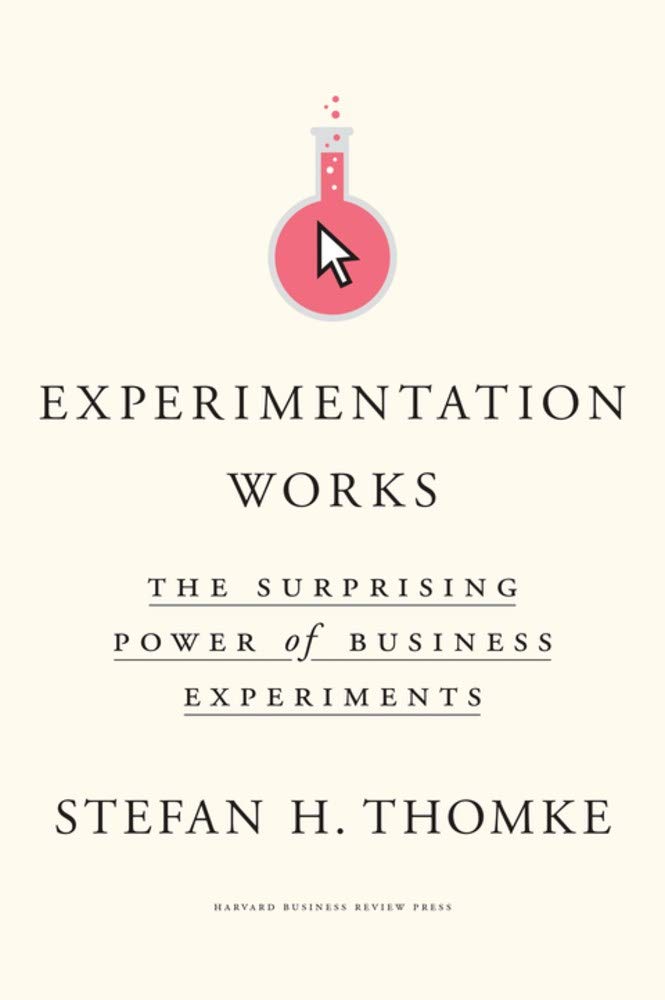
Thomke: Experimentation Works

🔵 Liiketoiminnan kehittämisen uusi musta on kokeilut. Tämä kirja kertoo siitä. Ja se on ehdottomasti parasta tässä kirjassa. 


✅ Thomke haluaa meidän ymmärtävän, että epäonnistumiset eivät ole virheitä. Epäonnistumisista opitaan lisää ja se on kokeilukulttuurin lopputuote. Sen sijaan virheet eivät tuota hyödyllistä tietoa.


✅ Kokeilukulttuurin avulla voit etsiä vastausta kysymykseen, että mitä asiakkaat arvostavat. Thomken haluaa meidän siirtyvän ”Show me the money”-kulttuurista ”Show me the experiment”-kuluttuuriin. Tarinan mukaan yksi online-maailman merkittävin kassavirta olisi jäänyt syntymättä, jos kokeiluja ei olisi jatkettu eli Amazonin suosittelukone.


✅ Thomken resepti on yksinkertainen:- Bisneskokeilut, – A/B-testit sekä – opastamalla johtajia uuden liiketoiminnan kehittämiseen. 

✅ Innostavinta kirjassa ovat case-yritykset ja tarinat miten näissä yhtiöissä johdetaan bisneskokeiluja. Esimerkiksi Pinterestin kokeilukaava:a) Tärkeintä on aloittaa.b) Tee isosti. c) Vaadi parempaa.d) Älä teoretisoi, hanki dataa.e) Hommaa työkaluja.


🇫🇮Suomi mainittu. Kuinka Kimi Räikkönen auttoi Lotuksen nousemaan piikkipaikoille….


⛔️ Kirjan heikkouksia on jatkuva A/B-testaamisen ylikorostaminen, vaikka toisaalta se on yksi kirjan pääviesteistä.