Kategoriat
Uncategorized

Sinek: Infinite Game

🔵 Infinite Game-kirja on Simon Sinekin hieno kirjallinen saavutus. 


✅ Sinekin pääväittämänsä on, että ne jotka työskentelevät voittaakseen kilpailijansa tulevat vääjäämättä häviämään. Ne, jotka pelaavat Sinekin tarkoittamaa loputonta peliä eivät edes pyri voittamaan, koska he haluavat vain menestyä. 


✅ Kun organisaation tavoitteena on menestyä yliajan, niin silloin ei kilpailla eikä jahdata tiettyjä tunnuslukuja. 


✅ Perheyrittäjyydessä eletään Sinekin ideaa todeksi, koska tärkeintä on jättää yritys tuleville sukupolville paremmassa kunnossa kuin on sen itse saanut. Idea loputtomasta pelistä voidaan tiivistää brändiin tai tuotteeseen, jota ihmiset haluavat ostaa. Vastakohtana on tuote, jota tekijänsä kuvittelevat pystyvänsä myymään. 


✅ Konkreettinen esimerkki oikeasta tavasta toimia on sveitsiläinen Victorinox-yritys. Se oli rakentanut itselleen niin mahtavat käteisvarat, että kun 911-terroriteko lopetti linkkuveitsien myymisen lentokentillä, niin yritys loikkasi ison kassansa turvin uusiin liiketoimintoihin.

✅ Parasta kirjassa on ajatus loputtoman peli tarkoituksesta. 


⛔️ Heikointa kirjassa on, että se ajatus olisi mahtunut yhteen artikkeliin. 

🔶 Kenen pitäisi lukea kirja? Sinun, joka tavoittelee kestävää kasvua.

Kategoriat
Uncategorized

Hoffman: American Icon – Alan Mulally and the Fight to Save Ford Motor Company

🔵 Haluatko lukea kirjan Amerikan kuuluisimmasta käänneyhtiöstä? Tässä on tarjolla sellainen.
✅ Kirjassa on kolme tarinaa:1. Tarina miten dollarin osakkeesta tehtiin 17 dollarin osake.2. Tarina miten selkäänpuukottajista tehtiin tiimi.3. Tarina Fordin kasvukaavasta.
✅ Dollarin osakkeesta 17 dollarin osakkeeksi on seurausta kaikesta seuraavasta. 
✅ Mullally oli prosessijohtaja. Hän vakioi viikoittaiset johtoryhmäkokoukset, oli uskollinen datalle sekä piti kiinni yhdessä asioiden saavuttamisesta.
✅ Fordin kasvukaava oli ilmastomuutos + rönsyjen saneeraus + ennakointi. Mulally otti Fordilla ilmastomuutoksen liiketoiminnan ytimeen, myi ulkoimaiset brändit Aston Martinista Volvoon, saneerasi rönsyt ja lainasi p!rusti rahaa ennen vuoden 2008 lamaa.

✅ Mulallyn johtamisoppi oli pitää johtoryhmällä yhteinen unelma, noudattaa prosessia ja pitää tiimi tekemässä yhdessä töitä. Hän uskoi myös matriisiorganisaatioon, joka muuten harvoin toimii suomalaisessa organisaatiokulttuurissa.
✅ Kuusi sanaa kirjasta… If everyone is moving forward together, then success takes care of itself. —HENRY FORD

⛔️ You can’t build a reputation on what you are going to do. —HENRY FORD

Kategoriat
Uncategorized

McChrystal: Team of Teams

🔵 Parasta kirjassa on muistutus siitä miksi liikkeenjohtaminen on sellaista kun se on on. Koska yritykset ja organisaatiot ovat historiallisen jatkumon tulos, niin harvoin ne muuttuvat ellei joku aktiivisesti pyri muutoksiin. Siitä tässä kirjassa on kyse.

✅ McChrystal pyrkii hahmottelemaan kirjassaan tayloristista muutosta organisaatiokulttuuriin, jossa tiimit ja yksilöt ovat keskiössä. Kirjoittajan sotilastaustan huomioiden kirjassa korostuu nopeuden ja täsmällisyyden merkitys. Hänen toimialalla ”moka on lahja”-ajattelun hinta on ihmisuhrit. 

✅ Kirjassa tarjoillaan erilaisia keinoja muutosjohtamiselle:

1. Luottamus hyvä, kontrollia vähän.

2. Mahdollista, älä käskytä.

3. Päihitä nopeus jaetulla tilannetiedolla.

4. Teknologian mahdollistaa sen mitä ihminen ei osaa.


✅ Suuruuden ekonomia pitää kääntää pienuuden vahvuudeksi. Niin yritys- kuin puolustussektorilla ”startupit” uhkaa jatkuvuutta ja siksi monien meistä tulisi omaksua ketteriä keinoja pärjätä kilpailussa. 


✅ Konkreettinen esimerkki McChrystalin ajattelusta on siilojen kuninkaan Alfred Sloanin saavutukset GM:ssä. Sloanin jäätyä eläkkeelle hänen organisaationsa kääntyi itseään vastaan. Tehokkaat tiimit GM:n sisällä ryhtyivät kilpailemaan keskenään, kun niitä ei johdettu tehokkaasti siitä mikä on yhteistä ja mikä on siilojen omaa. Konktekstuaalinen tietoisuus ja luottamuksen puute tuhosi Sloanin perinnön. 

⛔️ McChrystalin ajatukset ovat kovin tuttuja Peter Thielin, Eric Riesin tai muiden piilaaksomaisten kasvuholistien kirjoista. Ehkä hänen olisi kannattanut tutustua myös niihin?

Kategoriat
Uncategorized

Louis Gerstner: Who Says Elephants Can’t Dance?

About the book

“This is not my autobiography. I can’t think of anyone other than my children who might want to read that book (and I’m not 100 percent sure they would, either).” I love this guy. He is such a character. From the first pages he shows true character and sense of humour.

Louis Gerstner held top positions in American Express and was CEO of IBM during the turbulent times. I was expecting a lot from the book and he delivers. Especially the second half of the book is better than great.

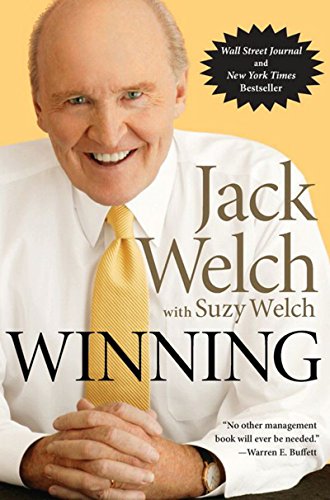
Compared to Alfred P. Sloans and Jack Welch’s memoirs Gerstner’s book has mainly two things to give to the reader – a low-key and well argumented leadership style.

“I’ve never been certain that I can abstract from my experiences a handful of lessons that others can apply to their own situations.”

What are the key learnings?

Key learnings of the book are

–      Corporate culture is the game.

–      People respect what you inspect.

–      Free cash flow is the True north of every business.

–      Execution is really the critical part of a successful strategy.

–      Lack of focus is the most common cause of corporate mediocrity.

–      What do you really want people to do? Win, execute, and team.

Corporate Culture

“I came to see, in my time at IBM, that culture isn’t just one aspect of the game—it is the game. In the end, an organization is nothing more than the collective capacity of its people to create value. Vision, strategy, marketing, financial management—any management system, in fact—can set you on the right path and can carry you for a while. But no enterprise—whether in business, government, education, health care, or any area of human endeavor—will succeed over the long haul if those elements aren’t part of its DNA.”

Inspect

“Greatest mistake is to confuse expectations with inspection. Too often the executive does not understand that people do what you inspect, not what you expect.”

Execution

“Execution is really the critical part of a successful strategy. Getting it done, getting it done right, getting it done better than the next person is far more important than dreaming up new visions of the future.”

Free cash flow

“It is the three most important words for Louis Gerstner. It’s the True north of every business. For him it is “the single most important measure of corporate soundness and performance.”

Focus

“Focus is a critical element of institutional success. If a management team doesn’t believe that it has identified and is seriously funding new growth opportunities, then it is likely to wander off and drink the heady brew of acquisitions and diversification—and ultimately fail.”

Gerstner’s management philosophy and practice

Management philosophy and practice of Lou Gerstner:

–      “I manage by principle, not procedure. 

–      The marketplace dictates everything we should do.

–      I’m a big believer in quality, strong competitive strategies and plans, teamwork, payoff for performance, and ethical responsibility.

–      I look for people who work to solve problems and help colleagues. I sack politicians. I am heavily involved in strategy; the rest is yours to implement.

–      Just keep me informed in an informal way. Don’t hide bad information—I hate surprises. Don’t try to blow things by me. Solve problems laterally.

–      I am heavily involved in strategy; the rest is yours to implement. Just keep me informed in an informal way. Don’t hide bad information—I hate surprises. Don’t try to blow things by me. Solve problems laterally; don’t keep bringing them up the line.

–      Move fast. If we make mistakes, let them be because we are too fast rather than too slow.

–      Hierarchy means very little to me. Let’s put together in meetings the people who can help solve a problem, regardless of position. Reduce committees and meetings to a minimum. No committee decision making. Let’s have lots of candid, straightforward communications.”

How to use power?

I turned to the flight attendant and said, “This has been a really tough day. I think I’d like to have a drink.” She said, “You don’t mean an alcoholic drink, do you?” “I certainly do!” I replied. “What kind of vodka do you have?” “We have no alcohol on IBM airplanes. It is prohibited to serve alcohol.” I said, “Can you think of anyone who could change that rule?” “Well, perhaps you could, sir.” “It’s changed, effective immediately.”

“A customer was now running IBM”

The Strategy Session Features:

–      Questions about customers to be raised raised.

–      Compare our offerings to those of our competitors.

–      Integration across the various topics that allowed the group to pull together a total company view.

Gerstner’s way to salvage IBM

With four critical decisions Gerstner saved IBM:

1.   “Keep the company together.

2.   Change our fundamental economic model.

3.   Reengineer how we did business.

4.   Sell underproductive assets in order to raise cash.”

“So keeping IBM together was the first strategic decision, and, I believe, the most important decision I ever made—not just at IBM, but in my entire business career. I didn’t know then exactly how we were going to deliver on the potential of that unified enterprise, but I knew that if IBM could serve as the foremost integrator of technologies, we’d be delivering extraordinary value.”

Pain comes first

“I’ve had a lot of experience turning around troubled companies, and one of the first things I learned was that whatever hard or painful things you have to do, do them quickly and make sure everyone knows what you are doing and why.”

An enormous sense of urgency

“To focus on day-to-day execution, stabilizing the company while we sought growth strategies that would build on our unique position in the industry. Those were not to come until a year later.”

Creating the leadership team

“I think it would have been absolutely naïve—as well as dangerous—if I had come into a company as complex as IBM with a plan to import a band of outsiders somehow magically to run the place better than the people who were there in the first place.”

Fallacies and Myths and Lessons

“With os/ 2-the fallacy that the best technology always wins.”

“First, the buyers were individual consumers, not senior technology officers. Consumers didn’t care much about advanced, but arcane, technical capability. They wanted a PC that was easy to use, with a lot of handy applications. And, as with any consumer product—from automobiles to bubble gum to credit cards or cookies—marketing and merchandising mattered.

Second, Microsoft had all the software developers locked up, so all the best applications ran on Windows. Microsoft’s terms and conditions with the PC manufacturers made it impossible for them to do anything but deliver Windows—ready to go, preloaded on every PC they sold.”

“In the case of application software-the myth of “account control.”

“This was a term used by IBM and others to talk about how a company maintained its hold on customers and their wallets. I had this quaint view that it was the job of a supplier to serve customers, not control them!

Beware of totally proprietary vendors who fight new developments like Linux. These vendors still view the world through the window of their proprietary stack.”

“In the case of PCS, there are still unanswered questions.”

“Why did we make the decision to exit the application software, network hardware, DRAMs, or the data transmission businesses, but not PCs? Why did we decide to stay in the hardware end of this business, even as we folded our hand on OS/ 2? In hindsight, was this the right decision? I think it was at the time, but the decision has been painful and costly for IBM.

But when it came to the PC business, we weren’t paying attention to either our customers or our competitors. One competitor in the PC industry was proving that customers were perfectly willing to buy direct—over the phone, or later via a Web site. But we were painfully slow to move away from our existing distribution channels. Why? The incomplete and unsatisfying answer at the time was that we’d always done it that way.”

On corporate culture

“I have a theory about how culture emerges and evolves in large institutions: Successful institutions almost always develop strong cultures that reinforce those elements that make the institution great. They reflect the environment from which they emerged. When that environment shifts, it is very hard for the culture to change. In fact, it becomes an enormous impediment to the institution’s ability to adapt.”

“You can’t simply give a couple of speeches or write a new credo for the company and declare that the new culture has taken hold. You can’t mandate it, can’t engineer it.”

“What you can do is create the conditions for transformation. You can provide incentives. You can define the marketplace realities and goals. But then you have to trust. In fact, in the end, management doesn’t change culture. Management invites the workforce itself to change the culture.”

Leading by Principles

1. The marketplace is the driving force behind everything we do.

2. At our core, we are a technology company with an overriding commitment to quality.

3. Our primary measures of success are customer satisfaction and shareholder value.

4. We operate as an entrepreneurial organization with a minimum of bureaucracy and a never-ending focus on productivity.

5. We never lose sight of our strategic vision.

6. We think and act with a sense of urgency.

7. Outstanding, dedicated people make it all happen, particularly when they work together as a team.

8. We are sensitive to the needs of all employees and to the communities in which we operate.

“Nothing can stop a cultural transformation quicker than a CEO who permits a high-level executive—even a very successful one—to disregard the new behavior model.”

IBM LEADERSHIP COMPETENCIES

Focus to Win

–      Customer Insight

–      Breakthrough Thinking

–      Drive to Achieve

Mobilize to Execute

–      Team Leadership

–      Straight Talk

–      Teamwork Decisiveness

Sustain Momentum

–      Building Organizational Capability

–      Coaching

–      Personal Dedication

The Core

–      Passion for the Business

“Win, execute, and team.”

Win

It was vital that all IBMers understand that business is a competitive activity. There are winners and losers. In the new IBM, there would be no place for anyone who lacked zeal for the contest. Most crucially, the opponent is out there, not across the Armonk campus. We needed to make the marketplace the driving criterion for all of our actions and all of our behavior.

Execute

This was all about speed and discipline. There would be no more of the obsessive perfectionism that had caused us to miss market opportunities and let others capitalize on our discoveries. No more studying things to death. In the new IBM, successful people would commit to getting things done—fast and effectively.

Team

This was a commitment to acting as one IBM, plain and simple.

Fundamentals

There are fundamentals that characterize successful enterprises and successful executives.

–      They are focused.

–      They are superb at execution.

–      They abound with personal leadership.

“Final issue that is unique to the largest and most complex institutions: how to strike the appropriate balance between integration and decentralization.

Focus—You Have to Know (and Love) Your Business

I have learned that lack of focus is the most common cause of corporate mediocrity.

“The grass is greener.”

“This is the most pernicious example. In my thirty-five-year business career I have seen many companies, when the going gets tough in their base business, decide to try their luck in new industries. It’s a long list:

–      Xerox going into financial services;

–      Coca-Cola into movies;

–      Kodak into pharmaceuticals.

History shows that truly great and successful companies go through constant and sometimes difficult self-renewal of the base business. They don’t jump into new pools where they have no sense of the depth or temperature of the water. “We need to grow, so let’s go acquire somebody.”

Steely-Eyed Strategies

Again, good strategies start with massive amounts of quantitative analysis—hard, difficult analysis that is blended with wisdom, insight, and risk taking.

Intelligence Wins Wars

Perhaps the most difficult part of good strategy is hard-nosed competitive analysis. Almost every institution develops a pride in itself.

Good Strategy: Long on Detail

Have a clear understanding of the five or six critical things they need to do in their base business to be successful.

Good strategies are long on detail and short on vision. They lay out multi-year plans in great quantitative detail.

The most important value-added function of a corporate management team is to ensure that the strategies developed by the operating units are steeped in

–      Tough-minded analysis, and

–      That they are insightful and

–      Actionable.

Great companies lay out strategies that are

–      Believable and

–      Executable.

The Hard Part: Allocating Resources

“Finally, making sure that resources are applied to the most important elements of the strategy is perhaps the hardest thing for companies to do. Too many companies view strategy and operations as two separate activities.”

Survival of the Fattest

“Here’s my last observation on focus: The Darwinian concept of survival of the fittest unfortunately doesn’t work in a lot of companies. Instead, too often the rule is “survival of the fattest.” Divisions or product lines that are successful today always want to redeploy their cash and other resources into existing products and existing markets. Finding ample resources to fund new growth and new businesses is one of the hardest tasks of a corporate leader.”

Execution-Strategy Goes Only So Far

“Execution—getting the task done, making it happen—is the most unappreciated skill of an effective business leader. In my years as a consultant, I participated in the development of many strategies for many companies. I will let you in on a dirty little secret of consulting: It is extremely difficult to develop a unique strategy for a company; and if the strategy is truly different from what others in the industry are doing, it is probably highly risky. The reason for this is that industries are defined and bounded by economic models, explicit customer expectations, and competitive structures that are known to all and impossible to change in a short period of time.”

“At the end of the day, more often than not, every competitor basically fights with the same weapons. In most industries five or six success factors that drive performance can be identified. For example, everyone knows that product selection, brand image, and real estate costs are critical in the retailing industry. It is difficult, if not impossible, to redefine what it takes to be successful in that industry. Dot-com retailers were a good example of a spectacular failure to understand that you cannot suspend the fundamentals of an industry.”

“Execution is really the critical part of a successful strategy. Getting it done, getting it done right, getting it done better than the next person is far more important than dreaming up new visions of the future.”

Daily grind of execution is mannaryyni-strategia

“Execution is the tough, difficult, daily grind of making sure the machine moves forward meter by meter, kilometer by kilometer, milestone by milestone. Accountability must be demanded, and when it is not met, changes must be made quickly. Managers must be asked to report on their performance and explain their successes and failures. Most important, no credit can be given for predicting rain—only for building arks.”

“I believe effective execution is built on three attributes of an institution:

–      World-class processes,

–      strategic clarity, and

–      a high-performance culture.”

World-Class Processes

Earlier in this section I mentioned that in every industry it is possible to identify the five or six key success factors that drive leadership performance. The best companies in an industry build processes that allow them to outperform their competitors vis-à-vis these success factors.

Think about great companies

–      Wal-Mart has superb processes in store management, inventory, selection, and pricing.

–      GE is world-class in cost management and quality.

–      Toyota is best-in-class in product lifecycle management.

Strategic Clarity

”Companies that out-execute their competitors have communicated crystal-clear messages to all their employees: “This is our mission.” “This is our strategy.” “This is how you carry out your job.” But high-caliber execution cannot simply be a matter of exhortation and message.”

“Execution flows naturally and instinctively at great companies, not from procedures and rule books. Manuals may play a role in early training activities, but they have limited value in the heat of battle.”

Superb execution is more about values and commitments.

“At American Express we knew we provided the best customer service in the industry—not because our training manuals said it was important but because our people on the firing line, those who talked to customers all day, believed it. They knew it was a critical component of our success.”

High-Performance Culture

“Superb execution is not just about doing the right things. It is about doing the right things faster, better, more often, and more productively than your competitors do.”

WHAT IT TAKES TO RUN IBM

Energy

–      Enormous personal energy

–      Stamina Strong bias for action

Organizational Leadership

–      Strategic sense

–      Ability to motivate and energize others

–      Infectious enthusiasm to maximize the organization’s potential

–      Builds strong team

–      Gets the best from others

Marketplace Leadership

–      Outstanding oral communications

–      CEO-level presence and participation in the industry and with customers

Personal Qualities

–      Smart Self-confident, but knows what he/ she doesn’t know

–      Listens

–      Makes hard decisions—in business and with people

–      Passion that is visible

–      Maniacal customer focus

–      Instinctive drive for speed/ impact

How should we change according to the book?

Leadership Is Personal

“Great institutions are not managed; they are led. They are not administered; they are driven to ever-increasing levels of accomplishment by individuals who are passionate about winning.”

–      Personal leadership is about visibility.

–      Personal leadership is about being both strategic and operational.

–      Personal leadership is about communication, openness, and a willingness to speak often and honestly, and with respect for the intelligence of the reader or listener.

–      Most of all, personal leadership is about passion.

Remember my description of personal leadership. It starts with the hard work of strategy, culture, and communications.

What should I personally do?

Great leaders according to Gerstner are Sam Walton of Wal-Mart, Jack Welch of General Electric, Juergen Schrempp of DaimlerChrysler, and Andy Grove of Intel.

“Have you ever noticed how the past keeps getting better the further into the future you go? Someone once said that the only paradises we have are those that are lost.”

Read their books.

Summary

–      The book in six words – ” Stick to your knitting; dance with the partner who brought you.” (Old-age saying)

Kategoriat
Uncategorized

Melinda Gates: Tasa-arvo. Nyt!

Kirjasta

En ole elävien ihmisten itsekirjoitettujen muistelmien fani. Mutta Melinda tarina – jos ei ole aikamme tärkein manifesti, niin on syvällinen kuvaus kuplastamme. Kirja alkaa sarjalla kuvauksia kuinka hän ja hänen miehensä ovat pyrkineet vaikuttamaan alikehittyneiden maiden tasa-arvon kehittymiseen. Minä en ole ymmärtänyt kuinka vähällä voimme voimaannuttaa kokonaisia kansoja ja mahdollistaa tasa-arvoa.

Käännös on delikaatti kysymys. Paikoitellen olin aistivinani, että kääntäjä ei tunne liike-elämän koukeroita. Mm. sanat liike-elämän tutkinto tai liikenaisen puvussa kuulostavat oikeilta, mutta eivät kohtaa arkikielen kanssa. Samoin kirjan nimi olisi voinut olla toinen. Alkuperäinen nimi on ”The Moment of Lift: How Empowering Women Changes the World”. Suomennos on “Tasa-arvo. Nyt!”.

Mitkä ovat kirjan keskeiset ideat? 

Kirjan keskeiset opit ovat:

·     Tasa-arvo on tärkein lääkitys köyhyyteen ja sosiaalisiin sairauksiin. Poissuljetut on otettava mukaan, on mentävä yhteiskunnan syrjäisille laidoille ja haettava sieltä sisään.

·     Vaikeasti köyhissä maissa naiset on ajettu marginaaliin.

·     Naisten täytyy herätä auttamaan toisiaan, jotta heistä tulee yhdessä vahvempia.

·     Palkkatyö kohottaa naiset kohti tasa-arvoa.

·     Tyttöjen koulutuksen voimaannuttava vaikutus yhteiskunnassa.

Melinda Gatesilla on globaalia ymmärrystä naisten ja tyttöjen asemasta. Hän tunnustautuu olevansa kiihkeä feministi. Gates toivoo, että katsomme itseämme ja mietimme, mitä juuri minä voisin tehdä. ”Muutetaan maailmaa yhdessä!”

Kirjan sivuilta putoilee hengästyttävään tahtiin dataa maailman tilasta:

·     Tytöt palaavat kotiseudulleen koulutuksen jälkeen auttamaan kulmakunnan kehittämistä.

·     Intian kastijärjestelmässä musharit ovat arvottomia ja erityisesti tytöt. Heidän varjoonsa meidän jokaisen pitäisi katsoa.

·     Lapsiavioliitot heikentävät nuorten tyttöjen roolia.

Meille länkkärille seuraavat huomiot ovat tärkeitä:

·     Hewlett-Packardin tutkimuksen mukaan naiset hakevat työtä jos työpaikan hakukriteerit täyttyvät 100% ja miehet hakevat jo kun 60% hakukriteereistä täyttyy. 

·     Palkattoman työn epätasa-arvoinen balanssi. Naiset käyttävät maailmassa kaksi kertaa enemmän aikaa palkattomaan työhön kuin miehet.

·     Esimerkiksi Yhdysvalloissa naiset tekevät neljä tuntia palkatonta työtä, miehet kaksi ja puoli tuntia. Elämänsä aikana naiset tekevät seitsemän vuotta palkatonta työtä enemmän kuin miehet. Siinä ajassa jo opiskelee yhden korkeakoulututkinnon. 

·     ”Miehet eivät hevin luovu järjestelmästä, jossa puolet maailman väestöstä tekee töitä lähes vastikkeetta” Marilyn Waring.

Tämän ongelman ratkaisemiseksi hän tarjoaa Diane Elsonin 3R-metodia (recognize, reduce, redistribute).

Muita huomioita kirjasta. Bill ja Melinda Gatesin säätiöstä puhutaan paljon. Kirjojen lukemisesta puhutaan paljon. Ja raamatullista eetostakin piisaa ”Viimeiset tulevat ensimmäiseksi ja ensimmäiset viimeiseksi”.

Jännittävää on myös, että hän ottaa kantaa omiin tekemisiinsä. Miljardöörien hyväntekeväisyyden haasteet:

·     Joutuuko lahjoituksen kohde vastaanottamaan myös miljardöörien ajatukset ja arvomaailman?

·     Mitä et voi mitata, et voi johtaa. Siis miten tietää onko hyväntekeväisyys onnistunut?

·     Omnipotentti lahjoittaja voi kuvitella olevansa kaikkien alojen asiantuntija?

Hienoa itsekriittisyyttä löytyy Melindan tekstistä. Ehkä hän haluaa tehdä hyväntekeväisyyden kasvuhakkerointia arvioimalla kriittisesti omaa toimintaansa?

Mitä meidän pitäisi tehdä kirjan perusteella?

Tämä kirjaa kuuluu ihmisille, jotka tekevät arvovalintoja. Mm. millä kriteereillä ihmisiä ylennetään tai palkataan. Lukukokemus oli voimaannuttava kokemus, koska ymmärsin olleeni oikealla polulla. Melinda avasi tekstillään lisää syvyyttä miksi tasa-arvo on KPI-tasoinen tavoite. 

Mitä minun pitäisi itse tehdä? 

Kirja toi mieleen arkkipiispa Kari Mäkisen saarnan, jossa hän toteaa ”yhteiskunnan tilaa on katsottava varjopaikoista käsin”.

Pitää muistaa katsoa varjopaikkoihin.

Yhteenveto

Kirja kuudella sanalla – ”Sosiaalisen sukupuolen moninaisuus ei ole hyväksi pelkästään naisille. Se on hyväksi kaikille, jotka haluavat tuloksia.” 

Kategoriat
Uncategorized

Collins & Hansen: How Mighty Fall

About the book

For great many companies the Internet is the beginning of the fall. I hope this book helps us to stay focused and no to fall.

What are the key learnings?

“What should we do if we find ourselves falling? It turns out that much of the answer lies in adhering to highly disciplined management practices.”

Key learnings of the book are:

–      Use highly disciplined management practices to avoid the fall.

–      Learn to recognize the five stages of fall.

Jim Collins and Morten Hansen have identified the five stages of decline. Understanding and recognizing the five stages of decline helps leaders to reduce the chances of falling. Or as Collins and Hansen says

“Tumbling from iconic to irrelevant. Decline can be avoided. The seeds of decline can be detected early.”

“Bank of America gained a reputation as one of the best managed corporations in America. An article in the January 1980 issue of Harvard Business Review opened with a simple summary: “The Bank of America is perhaps best known for its size—it is the world’s largest bank, with nearly 1,100 branches, operations in more than 100 countries, and total assets of about $ 100 billion. In the opinion of many close observers, an equally notable achievement is its quality of management . . .” 

The Five Stages of Decline are:

1) HUBRIS BORN OF SUCCESS.

2) UNDISCIPLINED PURSUIT OF MORE.

3) DENIAL OF RISK AND PERIL.

4) GRASPING FOR SALVATION.

5) CAPITULATION TO IRRELEVANCE OR DEATH. 

Eleven cases that met rigorous rise-and-fall criteria at some point in their history: 

1.   A& P 

2.   Addressograph 

3.   Ames Department Stores 

4.   Bank of America (before it was acquired by NationsBank) 

5.   Circuit City 

6.   Hewlett-Packard (HP) 

7.   Merck 

8.   Motorola 

9.   Rubbermaid 

10. Scott Paper 

11. Zenith

Principal effort of Collins and Hansen was on the two-part question: 

⁃ What happened leading up to the point at which decline became visible and

⁃ What did the company do once it began to fall?

They studied “historical eras of performance to understand the underlying dynamics that correlate with building greatness (or losing it).”

Anna Karenina. It reads, “All happy families are alike; each unhappy family is unhappy in its own way.”

Five stages

STAGE 1: HUBRIS BORN OF SUCCESS.

Arrogance is a symptom of decline.

“Stage 1 kicks in when people become arrogant, regarding success virtually as an entitlement, and they lose sight of the true underlying factors that created success in the first place.” 

“When the rhetoric of success (“We’re successful because we do these specific things”) replaces penetrating understanding and insight (“We’re successful because we understand why we do these specific things and under what conditions they would no longer work”), decline will very likely follow.”

STAGE 2: UNDISCIPLINED PURSUIT OF MORE.

Set-up for the fall.

More scale, more growth, more acclaim, more of whatever those in power see as “success.”

“Companies in Stage 2 stray from the disciplined creativity that led them to greatness in the first place, making undisciplined leaps into areas where they cannot be great or growing faster than they can achieve with excellence, or both. When an organization grows beyond its ability to fill its key seats with the right people, it has set itself up for a fall. Although complacency and resistance to change remain dangers to any successful enterprise, overreaching better captures how the mighty fall.”

STAGE 3: DENIAL OF RISK AND PERIL.

Denial kicks in.

“As companies move into Stage 3, internal warning signs begin to mount, yet external results remain strong enough to “explain away” disturbing data or to suggest that the difficulties are “temporary” or “cyclic” or “not that bad,” and “nothing is fundamentally wrong.” In Stage 3, leaders discount negative data, amplify positive data, and put a positive spin on ambiguous data. Those in power start to blame external factors for setbacks rather than accept responsibility.”

STAGE 4: GRASPING FOR SALVATION.

The decline becomes visible.

“The cumulative peril and/ or risks-gone-bad of Stage 3 assert themselves, throwing the enterprise into a sharp decline visible to all.

The critical question is, “How does its leadership respond?”

“By lurching for a quick salvation or by getting back to the disciplines that brought about greatness in the first place? Those who grasp for salvation have fallen into Stage 4. Common “saviors” include a charismatic visionary leader, a bold but untested strategy, a radical transformation, a dramatic cultural revolution, a hoped-for blockbuster product, a “game changing” acquisition, or any number of other silver-bullet solutions. Initial results from taking dramatic action may appear positive, but they do not last.”

STAGE 5: CAPITULATION TO IRRELEVANCE OR DEATH. 

This stage is a point of no return or a roadmap of decline.

“The longer a company remains in Stage 4, repeatedly grasping for silver bullets, the more likely it will spiral downward. In Stage 5, accumulated setbacks and expensive false starts erode financial strength and individual spirit to such an extent that leaders abandon all hope of building a great future. In some cases, their leaders just sell out; in other cases, the institution atrophies into utter insignificance, and in the most extreme cases, the enterprise simply dies outright.”

“It is possible to skip a stage, although our research suggests that companies are likely to move through them in sequence. Some companies move quickly through the stages, while others languish for years, or even decades. Zenith, for example, took three decades to move through all five stages, whereas Rubbermaid fell from the end of Stage 2 all the way to Stage 5 in just five years.”

“One of the keys to sustained performance lies in understanding how greatness can be lost. Second, I ultimately see this as a work of well-founded hope.”

“Yet our research indicates that organizational decline is largely self-inflicted, and recovery largely within our own control.”

Stage 1: Hubris Born of Success

“Amongst the eighteen visionary companies we studied at that time, Motorola received some of the highest scores on dimensions such as

0. adherence to core values, 

0. willingness to experiment, 

0. management continuity, and 

0. mechanisms of self-improvement.”

“Hubris is defined as excessive pride that brings down a hero, or alternatively (to paraphrase classics professor J. Rufus Fears), outrageous arrogance that inflicts suffering upon the innocent.”

Fail to improve your primary flywheel

“A cycle of arrogant neglect that goes like this:

1. You build a successful flywheel. 

2. You succumb to the notion that new opportunities will sustain your success better than your primary flywheel, either because you face an impending threat or because you find other opportunities more exciting (or perhaps you’re just bored). 

3. You divert your creative attention to new adventures and fail to improve your primary flywheel as if your life depended on it. 

4. The new ventures fail outright, siphon off your best creative energy, or take longer to succeed than expected. 

5. You turn your creative attention back to your primary flywheel only to find it wobbling and losing momentum.”

Stay true to your business….

“It’s like being an artist. Picasso didn’t renew himself by abandoning painting and sculpture to become a novelist or a banker.”

Are you knowing or learning person?

To be a knowing person (“I already know everything about why this works, and let me tell you”) differs fundamentally from being a learning person. The “knowing people” can set companies on the path to decline in two ways. First, they can become dogmatic about their specific practices (“We know we’re successful because we do these specific things, and we see no reason to question them”) as we saw with A& P. Second, they can overreach, moving into sectors or growing to a scale at which the original success factors no longer apply.

• SUCCESS ENTITLEMENT, ARROGANCE: Success is viewed as “deserved,” rather than fortuitous, fleeting, or even hard earned in the face of daunting odds; people begin to believe that success will continue almost no matter what the organization decides to do, or not to do. 

• NEGLECT OF A PRIMARY FLYWHEEL: Distracted by extraneous threats, adventures, and opportunities, leaders neglect a primary flywheel, failing to renew it with the same creative intensity that made it great in the first place. 

• “WHAT” REPLACES “WHY”: The rhetoric of success (“ We’re successful because we do these specific things”) replaces understanding and insight (“ We’re successful because we understand why we do these specific things and under what conditions they would no longer work”). 

• DECLINE IN LEARNING ORIENTATION: Leaders lose the inquisitiveness and learning orientation that mark those truly great individuals who, no matter how successful they become, maintain a learning curve as steep as when they first began their careers. 

• DISCOUNTING THE ROLE OF LUCK: Instead of acknowledging that luck and fortuitous events might have played a helpful role, people begin to presume that success is due entirely to the superior qualities of the enterprise and its leadership.

Stage 2: Undisciplined Pursuit of More

“This provokes a question: Why do we instinctively point to complacency and lack of innovation as a dominant pattern of decline, despite evidence to the contrary?”

“First, those who build great companies have drive and passion and intensity and an incurable itch for progress somewhere in their DNA to begin with; if we studied companies that never excelled, those that fell from so-so to bad, we might see a different pattern.”

“Second, perhaps people want to attribute the fall of others to a character flaw they don’t see in themselves rather than face the frightening possibility that they might be just as vulnerable.”

OBSESSED WITH GROWTH 

“In his 1995 annual letter to shareholders, Merck’s chairman and CEO Ray Gilmartin delineated the company’s #1 business objective: being a top-tier growth company.”

“To be clear, the problems of Stage 2 stem not from growth per se, but from the undisciplined pursuit of more.”

“Packard’s Law states that no company can consistently grow revenues faster than its ability to get enough of the right people to implement that growth and still become a great company.”

What are the key seats in your organization?

“If I were to pick one marker above all others to use as a warning sign, it would be a declining proportion of key seats filled with the right people. Twenty-four hours a day, 365 days a year, you should be able to answer the following questions: What are the key seats in your organization?”

“One notable distinction between wrong people and right people is that the former see themselves as having “jobs,” while the latter see themselves as having responsibilities.”

“We observed each of the following modes of turmoil in at least one of the fallen companies:

• A domineering leader fails to develop strong successors (or drives strong successors away) and thereby creates a leadership vacuum when he or she steps away.

• An able executive dies or departs unexpectedly, with no strong replacement to step smoothly into the role.

• Strong successor candidates turn down the opportunity to become CEO.

• Strong successor candidates unexpectedly leave the company.

• The board of directors is acrimoniously divided on the designation of a leader, creating an adversarial “we” and “they” dynamic at the top.

• Leaders stay in power as long as they can and then pass the company to leaders who are late in their careers and assume a caretaker role.

• Monarchy-style family dynamics favor family members over nonfamily members, regardless of who would be the best leader.

• The board brings in a leader from the outside who doesn’t fit the core values, and the leader is ejected by the culture like a virus.

• The company chronically fails at getting CEO selection right.”

Confusing big with great

MARKERS FOR STAGE 2

• UNSUSTAINABLE QUEST FOR GROWTH, CONFUSING BIG WITH GREAT: Success creates pressure for more growth, setting up a vicious cycle of expectations; this strains people, the culture, and systems to the breaking point; unable to deliver consistent tactical excellence, the institution frays at the edges.

• UNDISCIPLINED DISCONTINUOUS LEAPS: The enterprise makes dramatic moves that fail at least one of the following three tests: 1. Do they ignite passion and fit with the company’s core values? 2. Can the organization be the best in the world at these activities or in these arenas? 3. Will these activities help drive the organization’s economic or resource engine?

• DECLINING PROPORTION OF RIGHT PEOPLE IN KEY SEATS: There is a declining proportion of right people in key seats, because of losing the right people and/ or growing beyond the organization’s ability to get enough people to execute on that growth with excellence (e.g., breaking Packard’s Law).

• EASY CASH ERODES COST DISCIPLINE: The organization responds to increasing costs by increasing prices and revenues rather than increasing discipline.

• BUREAUCRACY SUBVERTS DISCIPLINE: A system of bureaucratic rules subverts the ethic of freedom and responsibility that marks a culture of discipline; people increasingly think in terms of jobs rather than responsibilities.

• PROBLEMATIC SUCCESSION OF POWER: The organization experiences leadership-transition difficulties, be they in the form of poor succession planning, failure to groom excellent leaders from within, political turmoil, bad luck, or an unwise selection of successors.

• PERSONAL INTERESTS PLACED ABOVE ORGANIZATIONAL INTERESTS: People in power allocate more for themselves or their constituents—more money, more privileges, more fame, more of the spoils of success—seeking to capitalize as much as possible in the short term, rather than investing primarily in building for greatness decades into the future.

Stage 3: Denial of Risk and Peril

“Why great companies experiment with a lot of little things that might not pan out in the end.”

For businesses, our analysis suggests that any deterioration in

–      gross margins,

–      current ratio, or

–      debt-to-equity ratio indicates an impending storm.

Our financial analyses revealed that all eleven fallen companies showed a negative trend in at least one of these three variables as they moved toward Stage 4.”

“Yet we found little evidence of significant management concern and certainly not the productive paranoia they should have had about these trends. Customer loyalty and stakeholder engagement also deserve attention.” 

Blame other people or external factors

“One common behavior of late Stage 3 (and that often carries well into Stage 4) is when those in power blame other people or external factors—or otherwise explain away the data—rather than confront the frightening reality that the enterprise may be in serious trouble.”

“Reorganizations and restructurings can create a false sense that you’re actually doing something productive.”

“We have no evidence from our research that any one structure is ideal in all situations, and no form of reorganization can make risk and peril melt away.”

MARKERS FOR STAGE 3

• AMPLIFY THE POSITIVE, DISCOUNT THE NEGATIVE: There is a tendency to discount or explain away negative data rather than presume that something is wrong with the company; leaders highlight and amplify external praise and publicity.

• BIG BETS AND BOLD GOALS WITHOUT EMPIRICAL VALIDATION: Leaders set audacious goals and/ or make big bets that aren’t based on accumulated experience, or worse, that fly in the face of the facts.

• INCURRING HUGE DOWNSIDE RISK BASED ON AMBIGUOUS DATA: When faced with ambiguous data and decisions that have a potentially severe or catastrophic downside, leaders take a positive view of the data and run the risk of blowing a hole “below the waterline.”

• EROSION OF HEALTHY TEAM DYNAMICS: There is a marked decline in the quality and amount of dialogue and debate; there is a shift toward either consensus or dictatorial management rather than a process of argument and disagreement followed by unified commitment to execute decisions.

• EXTERNALIZING BLAME: Rather than accept full responsibility for setbacks and failures, leaders point to external factors or other people to affix blame.

• OBSESSIVE REORGANIZATIONS: Rather than confront the brutal realities, the enterprise chronically reorganizes; people are increasingly preoccupied with internal politics rather than external conditions.

• IMPERIOUS DETACHMENT: Those in power become more imperious and detached; symbols and perks of executive-class status amplify detachment; plush new office buildings may disconnect executives from daily life.

Stage 4: Grasping for Salvation

Silver bullets

“Stage 4 begins when an organization reacts to a downturn by lurching for a silver bullet. This can take a wide range of possible forms, such as betting big on an unproven technology, pinning hopes on an untested strategy, relying upon the success of a splashy new product, seeking a “game changing” acquisition, gambling on an image makeover, hiring consultants who promise salvation, seeking a savior CEO, expounding the rhetoric of “revolution,” or in its very late stages, grasping for a financial rescue or buyout.”

Mannaryyni-strategia

“The key point is that they go for a quick, big solution or bold stroke to jump-start a recovery, rather than embark on the more pedestrian, arduous process of rebuilding long-term momentum.”

“Our research across multiple studies (Good to Great, Built to Last, How the Mighty Fall, and our ongoing research into what it takes to prevail in turbulent environments) shows a distinct negative correlation between building great companies and going outside for a CEO. Eight of the eleven fallen companies in this analysis went for an outside CEO during their era of decline, whereas only one of the success contrasts went outside during the eras of comparison.”

“And in our previous research, over 90 percent of the CEOs that led companies from good to great came from inside; meanwhile, over two-thirds of the comparison companies in that study hired a CEO from the outside yet failed to make a comparable leap.”

Jumping from one false salvation to another

“Louis V. Gerstner from IBM understood that whether you’re brought in from the outside or come from the inside, you have to halt the cycle of grasping and cease jumping from one false salvation to another, from silver bullet to silver bullet, from dashed hope to new hope, only to have hopes dashed yet again.”

“The remarkable thing about Gerstner is that he did not accept that frame, a powerful lesson for all leaders, whether coming from within or without.”

“If you want to reverse decline, be rigorous about what not to do.”

MARKERS FOR STAGE 4

“• A SERIES OF SILVER BULLETS: There is a tendency to make dramatic, big moves, such as a “game changing” acquisition or a discontinuous leap into a new strategy or an exciting innovation, in an attempt to quickly catalyze a breakthrough—and then to do it again and again, lurching about from program to program, goal to goal, strategy to strategy, in a pattern of chronic inconsistency.

• GRASPING FOR A LEADER-AS-SAVIOR: The board responds to threats and setbacks by searching for a charismatic leader and/ or outside savior.

• PANIC AND HASTE: Instead of being calm, deliberate, and disciplined, people exhibit hasty, reactive behavior, bordering on panic.

• RADICAL CHANGE AND “REVOLUTION” WITH FANFARE: The language of “revolution” and “radical” change characterizes the new era: New programs! New cultures! New strategies! Leaders engage in hoopla, spending a lot of energy trying to align and “motivate” people, engaging in buzzwords and taglines.

• HYPE PRECEDES RESULTS: Instead of setting expectations low—underscoring the duration and difficulty of the turnaround—leaders hype their visions; they “sell the future” to compensate for the lack of current results, initiating a pattern of overpromising and underdelivering.

• INITIAL UPSWING FOLLOWED BY DISAPPOINTMENTS: There is an initial burst of positive results, but they do not last; dashed hope follows dashed hope; the organization achieves no buildup, no cumulative momentum.

• CONFUSION AND CYNICISM: People cannot easily articulate what the organization stands for; core values have eroded to the point of irrelevance; the organization has become “just another place to work,” a place to get a paycheck; people lose faith in their ability to triumph and prevail. Instead of passionately believing in the organization’s core values and purpose, people become distrustful, regarding visions and values as little more than PR and rhetoric.

• CHRONIC RESTRUCTURING AND EROSION OF FINANCIAL STRENGTH: Each failed initiative drains resources; cash flow and financial liquidity begin to decline; the organization undergoes multiple restructurings; options narrow and strategic decisions are increasingly dictated by circumstance.”

Stage 5: Capitulation to Irrelevance or Death

CASH! “Never forget,” Lazier would say. “You pay your bills with cash. You can be profitable and bankrupt.”

“But organizations do not die from lack of earnings. They die from lack of cash.”

We found two basic versions of Stage 5. 

0. In the first version, those in power come to believe that capitulation offers a better overall outcome than continuing to fight. 

0. In the second version, those in power continue the struggle, but they run out of options, and the enterprise either dies outright or shrinks into utter irrelevance compared to its previous grandeur.

Fallen from great to terrible

“Recall the Gerstner philosophy: the right leaders feel a sense of urgency in good times and bad, whether facing threat or opportunity, no matter what.”

“Burning platform: The right people will drive improvement, whether standing on a burning platform or not.”

“The path to recovery lies first and foremost in returning to sound management practices and rigorous strategic thinking.”

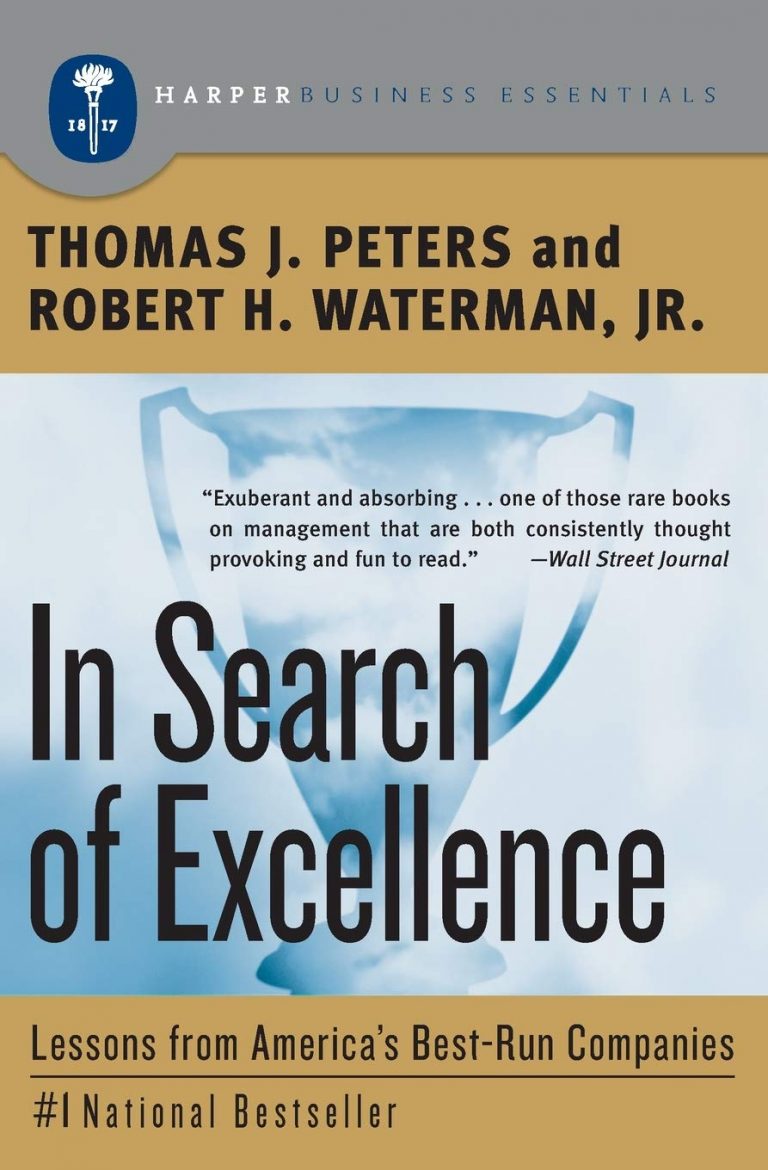
“It never hurts to review the classics, including Drucker, Porter, Deming, and Peters/ Waterman.”

“If you’ve fallen into decline, get back to solid management disciplines—now! And if you’re still strong, be vigilant for early markers of decline.”

“Be willing to change tactics, but never give up your core purpose.”

How should we change according to the book?

Go back to Good-To-Great Framework:

DISCIPLINED PEOPLE

STAGE 1: DISCIPLINED PEOPLE LEVEL 5 LEADERSHIP: Level 5 leaders are ambitious first and foremost for the cause, the organization, the work—not themselves—and they have the fierce resolve to do whatever it takes to make good on that ambition. A Level 5 leader displays a paradoxical blend of personal humility and professional will.

FIRST WHO, THEN WHAT: Those who build great organizations make sure they have the right people on the bus, the wrong people off the bus, and the right people in the key seats before they figure out where to drive the bus. They always think first about “who” and then about what. 

BRUTAL FACTS

STAGE 2: DISCIPLINED THOUGHT CONFRONT THE BRUTAL FACTS—THE STOCKDALE PARADOX: Retain unwavering faith that you can and will prevail in the end, regardless of the difficulties, and at the same time have the discipline to confront the most brutal facts of your current reality, whatever they might be.

THE HEDGEHOG CONCEPT: Greatness comes about by a series of good decisions consistent with a simple, coherent concept—a “hedgehog concept.” The hedgehog concept is an operating model that reflects understanding of three intersecting circles: what you can be the best in the world at, what you are deeply passionate about, and what best drives your economic or resource engine. 

ACTION CULTURE

STAGE 3: DISCIPLINED ACTION CULTURE OF DISCIPLINE: Disciplined people who engage in disciplined thought and who take disciplined action—operating with freedom within a framework of responsibilities: this is the cornerstone of a culture that creates greatness. People do not have jobs; they have responsibilities.

THE FLYWHEEL: There is no single defining action, no grand program, no one killer innovation, no solitary lucky break, no miracle moment. Rather, the process resembles relentlessly pushing a giant heavy flywheel, turn upon turn, building momentum until a point of breakthrough, and beyond. 

CLOCK BUILDING

STAGE 4: BUILDING GREATNESS TO LAST CLOCK BUILDING, NOT TIME TELLING: Truly great organizations prosper through multiple generations of leaders, the exact opposite of being built around a single great leader, great idea, or specific program. Leaders in great organizations build catalytic mechanisms to stimulate progress and do not depend upon having a charismatic personality to get things done; indeed, many have had a “charisma bypass.”

PRESERVE THE CORE/ STIMULATE PROGRESS: Enduring great organizations are characterized by a fundamental duality. On the one hand, they have a set of timeless core values and core reason for being that remain constant over long periods of time. On the other hand, they have a relentless drive for change and progress—a creative compulsion that often manifests in BHAGs (Big Hairy Audacious Goals). Great organizations keep clear the difference between their core values (which never change) and operating strategies and cultural practices (which endlessly adapt to a changing world).

What should I personally do?

Three things:

–      Internet might be the root cause for companies starting to fall

–      Try to pinpoint ”How Mighty Fall”-companies and analyse why they have fallen from great to terrible.

–      And invest in companies that are on their way from good to great.

Summary

The book in six words – “Effective teaching: don’t try to come up with the right answers; focus on coming up with good questions.” (Bill Lazier)….. “There are more ways to fall than to become great.”

Kategoriat
Uncategorized

Michael Wade et al: Orchestrating Transformation

About the book

Oh boy! This is the BIG book of transformation. After this there is no need to read any other books about digital transformation. Unless Wade et al. will write something new about digital transformation.

The companies that have not already been subject to serious digital competition will benefit from this book. The companies that would most benefit from learnings of the book are B2B and engineering companies or public organization.

The book is written to business leaders, executives and Chief Digital Officers. This is your book if you want to avoid “the danger of becoming a corporate irrelevance”. Do not be a “Queen of PowerPoint.” Become the master of digital transformation.

“When you’re finished changing, you’re finished.” (Ben Franklin)

What are the key learnings?

“Transformation is not an event; it’s an essential and perpetual task of leadership.”

The key learnings are

–      “A second wave of disruption is upon us. This wave is focused not only on digitizing products and services, but also on business models, processes, and value chains“.

–      Now it’s your turn. “Companies that were easy targets for digitalization – media, financial and telco’s, have already gone through the digital disruption.”

–      The third wave is around the corner. Watch out technologies such as RPA, ML and AI.

“Orchestrating Transformation is less about what the best companies do better than anyone else. Instead, it’s largely about what everyone gets consistently wrong—and how to fix it. This book proceeds from a simple premise: most companies are not successful in digital business transformation.”

Digital business transformation involves much more than technology.

Definition of Digital Business Transformation is “organizational change through the use of digital technologies and business models to improve performance.”

–      “The objective of digital business transformation is to improve business performance.

–      Digital business transformation is based on a digital foundation.

–      Digital business transformation requires organizational change – change that includes processes, people, and strategy.”

Orchestration

“The concept of orchestration to contend with the connected nature of change. By embracing the networked nature of organizations, and the challenge of changing what is highly connected, we reframe what the execution of a digital business transformation program means (continuous and holistic) and increase the chances that it will ultimately succeed.”

Transformation dilemma

“We call this the “transformation dilemma” of today’s incumbents. Organizational characteristics of today’s market incumbents

–      scale,

–      interdependence,

–      dynamism.

“Why the “entanglement” of these characteristics makes it nearly impossible to achieve success in digital business transformation using traditional change methods.”

“Today’s incumbents are missing the growth hacking factor, because “the vast majority of organizational change efforts fail. Estimates vary, but failure rates range from 60 to 80 percent and don’t seem to improve over time.”

“Digital transformations fail so frequently that we’ve met many executives who are hostile to the very term “digital,” or who have made any phrases containing “transformation” verboten because of the word’s perceived connotations of hype, frustration, and fiasco.”

Why? Many company leaders don’t understand the problem they face. “Simply put – things change a lot:

–      Scale. Companies are awash in huge volumes of “things that need to be managed”

–      Interdependence. The things that need to be managed are interrelated, and the effects from any one action are felt throughout the organization in ways that aren’t easy to predict.

–      Dynamism. The things that need to be managed, and the environments (market, regulatory, etc.) in which they operate, are constantly evolving. The need to do things differently is a constant competitive reality.”

Cult of synergy

“Often, companies respond to interdependence by separating things into different units. This approach, known as “departmentalization,” gives a certain team the authority to establish (“own”) a standard for how something is done. At first glance, the approach makes sense as an antidote for complexity. However, it also contributes to the balkanization of companies (i.e., silos), undermining the biggest value of interdependence: synergy.

“A lack of synergy is a major contributing factor in why most transformation programs fail to deliver their expected returns.”

Tales on unexpected

–      Gray Wolf Effect. “One example involves the return of the gray wolf to Yellowstone National Park. 7 By 1926, all gray wolves, the natural “apex predator” in Yellowstone, had been exterminated. In the mid-1990s, gray wolves were reintroduced into the park, and scientists soon observed how their predatory habits affected the entire food chain and overall biodiversity of the region. The reintroduced gray wolves killed and ate the park’s elk population. In turn, the reduced number of grazing elk allowed for the growth of more vegetation. This increase in plant life and its root systems then increased the stability of riverbanks and, ultimately, changed the paths followed by the park’s rivers. (To ecologists, this phenomenon is known as a “trophic cascade”).”

–      Cobra Effect. ”This phenomenon is sometimes referred to as the Cobra Effect. The term originated in the British Raj in 19 th century India. The British government, concerned about the proliferation of venomous cobras in Delhi, offered a bounty to citizens who killed the snakes. Unfortunately, local residents reacted to this incentive by modifying their behavior in an unanticipated way: they began breeding cobras that could be killed for money. When the government realized that citizens were gaming the system, they shut down the bounty program. This prompted the citizens to free their now-worthless snakes, significantly increasing the cobra population.”

–      Black Swan Effect of course.

Four types of change

1.   Plain Old Change.

a.   “This is functionally autonomous, incremental change. The goal of change is straightforward, and the resources needed are limited and well-defined within a particular functional area or group. For example, if the advertising department opts to shift investment in newspaper and television media to online ads, that’s their purview. It doesn’t significantly impact, and isn’t contingent upon, other parts of the company. This type of change represents most of the management effort focused on implementing changes. It’s pretty run-of-the-mill and doesn’t involve extensive cross-functional considerations. It also doesn’t require changes to a company’s overarching strategy or business model.”

2.   Blanket Adjustments.

a.   “This is highly entangled, incremental change. Here, a company makes a tweak or calibration—introducing new enterprise-wide hiring rules or a global expense management system—that affects many different stakeholders in all parts of the organization. These adjustments frequently collide with highly entangled structures and, as many of us have experienced, can be challenging to implement. Nonetheless, the extent of change isn’t large. There’s no essential change to the kinds of value the company creates for customers, how it makes money, or its overall competitive position.”

3.   Smart X.

a.   “This is functionally autonomous, major change. The changes are big, but they don’t have a company-wide focus. When you hear about projects like “smart supply chain” or “smart real estate,” these are examples of Smart X change. This doesn’t mean, however, that Smart X change is a breeze to achieve. Although the change may be limited to a single function, it can be ambitious in scope. A “smart factory,” for example, could involve a complete revolution in how manufacturing processes are performed. This certainly qualifies as “major change.”

4.   Digital Business Transformation.

a.   ”This is highly entangled, major change. This type of change is the focus of the DBT Center in general and this book in particular. Recalling our earlier definition of digital business transformation as “organizational change through the use of digital technologies and business models to improve performance,” we can see that this type of change is considerably different from the others. It combines high levels of scale, interdependence, and dynamism with the need to make fundamental changes to the entire organization in the service of a new strategic direction. It means making changes to business models and customer value creation to address disruptive competition. It may also involve value creation with third parties (i.e., through platforms).”

Guiding objectives

“What’s more, too many transformations are disconnected from:

–      Customer value creation,

–      Business models,  

–      Strategies of the company.”

“We refer to these three elements together as guiding objectives. Guiding objectives are a set of clearly-articulated aims that serve as the point of departure for effective execution of a transformation program. (However, they are not the company’s “digital strategy”; see sidebar.)”

Three common denominators in modus operandi for succeeding in transformation are:

1.   Cost value. Disruptors create value for customers through lower costs or by creating some kind of economic gain.

2.   Experience value. through customer experiences that are faster, more convenient, more personalized, and so forth.

3.   Platform value. By creating connections that did not exist before, such as between a buyer and a seller, or between a teacher and a student.

Smash the paradigm

“In the past, as described in Michael Porter’s classic Competitive Strategy, firms focused on one of two main competitive orientations: cost leadership (what we refer to as “cost value”) and differentiation (what we call “experience value”). 2 Porter’s point is that companies pick one or the other: you can be Walmart (cost value) or you can be Burberry (experience value). But you don’t try to do both at once—doing so would be a recipe for disaster (by the way, there were not platforms as we think of them today back when Porter wrote his book). Companies like Uber, and all of the most disruptive companies, smash this paradigm with their ability to create combinatorial disruption that customers can’t get enough of.”

Case Fujifilm. “Fujifilm recognized the digital threat to its core market in analog cameras and film. As far back as the 1980s, both companies anticipated declining sales of photographic film and paper and launched successful digital camera offerings. By 1999, Fujifilm was the world leader in digital camera sales. By 2003, however, the disruption in digital photography deepened with the introduction of smartphones with built-in multi-megapixel cameras. At Fujifilm, film sales fell off a cliff. They dropped by one-third within a year, and photo labs reported an 80 percent decline in processing jobs for consumers. After decades of growth, Fujifilm’s revenue reached a peak in 1999 at $13.6 billion. Shigetaka Komori, who became CEO in 2003 (he was also named chairman in 2012), had to respond: “At first I thought that color film wouldn’t disappear quickly, but digital stole it all away in an instant.” This is a common sentiment for executives who have the misfortune of encountering value vampires—disruptive competitors who permanently undercut the viability of a market. In 2001, film accounted for two-thirds of Fujifilm profits. By 2017, it was less than 1 percent. Komori and his team restructured the organization, reducing its distribution, research and development, and management costs. Significant job reductions, factory closings, and other cuts helped decrease the company’s cost base by more than $5 billion. Fujifilm diversified and retreated into a few niche markets where value vampires (Apple and the Android-based smartphone makers) had no intention of following: high-end digital imaging machines, enterprise document solutions, and (unexpectedly) cosmetics.

Strategic Response Playbook – Four strategic options

1.   Harvest: Maximizing Returns from a Disrupted Business

2.   Retreat: Strategic Withdrawal

3.   Disrupt: Creating New Customer Value

4.   Occupy: Winning in a Disrupted Space

Harvest

Harvest is a defensive strategy designed to maximize gains from an at-risk or declining business. Harvest strategies frequently begin with “blocking tactics,” drawing on the benefits of incumbent status with customers, partners, regulators, opinion-makers, and providers of capital. These countermeasures are intended to slow the disruption or buy time for an incumbent to come up with a more appropriate response.

Harvest shouldn’t be equated with failure. It’s the natural progression of a mature business confronting commoditization, customer attrition, margin compression, and other unpleasantness arising from digital disruption. Leaders who are clear-sighted enough to accept this are best positioned to steer their organizations through the transition. An example of a global incumbent adopting a Harvest strategy is Avon Products. 4 Founded over 130 years ago in New York, the company uses a direct, social-selling channel: 6 million “Avon Ladies” form an independent salesforce of micro-entrepreneurs who go door-to-door to offer women cosmetics, fragrances, jewelry, and health supplements.

Retreat

“There are two main components to a Retreat strategy.

–      Retreat emphasizes withdrawal into a market niche that serves a small subset of existing customers with specialized needs. Usually, the niche is a market the incumbent has dominated in the past and, in most cases, is an expert at managing for profitability. The niche market often requires a level of experience value that is hard for disruptors to deliver.

–      Market exit is the second component of a Retreat strategy, and choosing the right time to exit is a critical decision. Too early, and you risk leaving money on the table. Too late, and the value has disappeared. Fujifilm sold many of its core assets in film and paper production while they still had value, channeling the proceeds into new business lines.”

Disrupt

“A Disrupt strategy focuses on creating cost value, experience value, and platform value for customers using digital technologies and business models in a new way. Becoming a disruptor requires a mix of deep customer and competitor insights, innovative thinking, strategic experimentation, capability transfer and building, and careful investment. As a result, many incumbents find disruption very difficult. For example Casper and Endy’s success is the result of their rigorous focus on providing value to customers. Buying a mattress through traditional channels can be a painful experience.

Occupy

“While a disruption can be achieved through cost value or experience value or platform value, a successful Occupy strategy normally requires combinatorial disruption. Only by combining all three forms of value can an organization prevail in the disruption battle for any length of time. The main problem with Occupy is that incumbents are often on unfamiliar terrain. Sleep Country Canada…. Far from retrenching, the company is aggressively investing, improving cost controls and inventory levels. <= LeanLeap

Sleep Country Canada is also “disrupting the disruptors,” emulating the market-changing innovations that underpin the value of Casper and Endy’s offers, while continuing to wield its physical stores presence and greater bargaining strengths. It launched an easy-to-deliver mattress-in-a-box called Bloom, 36 allowing it to participate in a fast-growing segment of the market. 37 The company has always offered a 100-day satisfaction guarantee but is benefiting from the market awareness that online competitors’ marketing efforts are creating.”

Establishing Guiding Objectives of a Transformation

“What should we do first in our transformation program?” The answer is: start by establishing guiding objectives.”

“Drawing on our research into digital transformation journeys, we have built a simple tool called “20 Questions” to help organizations prioritize strategic responses.

“Certain strategies in the Strategic Response Playbook are employed more than others:

–      Retreat strategies are less frequent, in part because, as we observed in our earlier book, leaders are reluctant to pursue them (out of fear they will be perceived as signposts of deficient leadership) and because, even though market entry and exit rates are accelerating in the Digital Vortex, “wrapping up” a business is not a daily occurrence for firms.

–      Disrupt strategies are not something companies embark on frequently or lightly. They tend to be radical departures from what the company has done in the past and require a different model for market formation, incubation, and scaling. Most incumbents are not good at Disrupt strategies because they imply being first to market, often with a small subset of early-adopter customers.

–      Harvest. More commonly, big, traditional, prosperous companies concentrate their efforts on Harvest and Occupy. The former means playing defense, and usually involves a lot of cost optimization, streamlining, and specialization. #Lean

–      Occupy. The latter means playing offense, but after a value vacancy and a market disruption have already materialized, allowing the incumbent to be a “fast follower” and compete based on its unique strengths. #Leap”

“Experience value and platform value are the most common value-creation focuses for big companies pursuing a Disrupt strategy. However, any one of the three forms of value can be the basis of Disrupt.”

“In Occupy, incumbents need to deliver all three forms of value to keep customers from migrating to competitors who are similarly targeting the value vacancy—and to secure the continued status of market leader.”

“The three components of guiding objectives—customer value creation, business models, and strategy—cannot be developed sequentially. To frame execution, they must be considered as an integrated whole.”

Case Intuit. “In doing so, Intuit adopted an Occupy strategy: the launch of an advantageously priced TurboTax cloud offer quickly displaced the desktop version of its tax software. 5 Intuit was willing to cannibalize its own product to build a large market share with a cloud-based product that ensured much more loyalty from customers. This prevented a competitor, Microsoft, from capturing a significant portion of the market with its Microsoft Money software. In fact, Microsoft interrupted that offer and stopped supporting it altogether after 2011.

In late 2017, the company began its next strategy refresh cycle. Seeing data analytics, AI, and machine learning as the new disruptive capabilities likely to impact customer experiences, Intuit mobilized over 100 teams to review research on trends and customer feedback. Based on this, Ko and the management team identified eight major macro trends driving massive societal and economic shifts. In response, the company is reallocating $1 billion—roughly one-fourth of its operating expenses—to address these opportunities. Under the leadership of Al Ko, Intuit’s recurring strategy refresh is becoming a repeatable process. Using knowledge and best practices from the past two iterations in 2012 and 2017, his team is codifying them in the company’s operating rhythm. The process of revisiting the strategy and assessing its progress is now fully represented in the company’s one-and three-year planning cycles, and in operating reviews. But Ko insists that regardless of how repeatable the refresh has become, there’s no substitute for revisiting a massive list of trends and opportunities regularly and stress-testing ways to create more value for customers. Intuit provides a compelling example of how transformation is an essential and perpetual task of leadership. Investors seem to like the results of Ko’s “maniacal focus” on strategy refresh, and the execution that has followed. Intuit’s market capitalization has increased by roughly 600 percent since 2010, compared with some 250 percent for the Nasdaq overall.”

The company’s transformation ambition

“Another important concept that is related to, but distinct from, guiding objectives: the company’s transformation ambition. This is simply a statement that outlines the company’s overall change goal. The transformation ambition aggregates the strategic intent of all the guiding objectives that span the company’s divisions or businesses.”

PRISM

“Good transformation ambitions have a few consistent characteristics. They act as a “prism” that focuses and directs the organization’s energies.

Precise – no room for interpretation.

Realistic – all can credibly see the company actually pulling off.

Inclusive – It needs to be relevant to everyone in the company, from top to bottom.

Succinct – It must be something the average employee can easily remember, almost a rallying cry.

Measurable – everyone can define progress in his or her own way.

Case Cisco. “The transformation ambition of 40/40/2020 was not a commitment to Wall Street, but rather a kind of unofficial, universally understood “north star” for the company. was a shorthand leaders used to describe a future standing in which the company would garner 40 percent of its revenue from recurring (subscription-based) sources and 40 percent from software by the year 2020 (the company’s 2021 fiscal year).”

“A powerful faction among the executive team, which must include the CEO and the board, is needed to overcome resistance to change. A CEO and board, backed by cooperative leaders, must establish an unambiguous stance supporting the transformation ambition.”

“Metrics also play an important role in the ongoing management of a transformation program, quantifying and tracking progress (or the lack thereof) against guiding objectives and the transformation ambition. One CDO told us, “We invest heavily in measurement to drive accountability. Data means there is nowhere to hide. If you’re not on side, there won’t be a sliver of daylight.”

The Transformation Orchestra

Silos are the enemy of transformation. Especially with digital transformation where the ownership is not clear. The Transformation Orchestra is:

Go-to-Market Section

1)   Offerings: The products and services your company sells.  

2)   Channels: How products and services reach customers (i.e., route to market).

Engagement Section

3)   Customer Engagement: How your company engages with its customers.

4)   Partner Engagement: How your company engages with its partner ecosystem.

5)   Workforce Engagement: How your company engages with its employees and contract staff.

Organization Section

6)   Org Structure: The structure of business units, teams, reporting lines, and profit and loss centers (P&Ls).

7)   Incentives: How workers are compensated and rewarded for their performance and behavior.

8)   Culture: The values, attitudes, beliefs, and habits of the company.

Demonstrating that the focus should be on eight elements (not three, not 40) is liberating.

Orchestration Competencies

What do you need to bridge guiding objectives and execution?

1. Customer journey mapping is a needed competency.

800!!!!!! “Customer journey mapping means achieving a detailed understanding of customers’ experiences from the beginning to the end of their interactions with an organization. The proliferation of digital channels is changing how companies approach this mapping. Consider today’s typical multichannel retailer. Shopper interactions once comprised a small handful of possible journeys. But taking into account new channels, including mobile, online, wearables, and in-home devices (e.g., Amazon Echo), we’ve calculated that today’s shoppers have more than 800 unique variations of possible shopping journeys.”

Case Nespresso journey. “Lamblard suggested that e-commerce and user experience (UX) will increasingly focus on removing friction points across the customer journey. “The future of UX is no UX,” he said, and “e-commerce checkouts will vanish.” To accomplish this omnichannel reality, Nespresso aims to eliminate all unnecessary steps from the customer journey by leveraging data and personalization at scale. (For example, when future customers shop in a boutique, they will simply choose their coffee and then leave.) Examples of digital capabilities that may facilitate this seamless journey include subscription ordering models, AI, automation, and peer-to-peer commerce. Nespresso has motivated its channels to work together by harmonizing cross-channel employee incentives. (This makes the company not only a prime example of customer journey mapping, but of orchestration that combines multiple “instruments”.)”

2. Business model design is a complementary competency.

“Key to business model reinvention is a keen understanding of customers’ expectations and what they’ll pay for. Management consulting skills in strategy and business modeling (e.g., the Business Model Canvas) are important here, as is an understanding of customer value creation. How are other firms—especially disruptive competitors—creating cost value, experience value, and/or platform value for customers?”

“Competitive intelligence also plays a big role in understanding how the market is evolving.”

“The creation of a center of excellence around design thinking and user experience has definitely been a critical construct for us to evolve and develop.”

“Understand THE state of the ORGANIZATION.”

3. Business architecture is a competency that helps orchestrators to mobilize organizational resources and assemble transformation networks.

4. Capability assessment, including the availability and readiness of resources.

Build Synergy

Companies undergoing large-scale digital transformation are often places of confusion. A lack of both a clear vision and a shared narrative to describe the company’s transformation efforts frequently prevents people from taking decisive action. For these reasons,

5. Communications and training is a key orchestration competency.

6. Incubation

Orchestrators should also provide (6) incubation and scaling platforms . Platforms are great for creating market change, and they are critical in driving organizational change as well. They are particularly useful in generating synergies and as scaling engines.

7. Internal venture funding focused on innovation and transformation.

“No one listens to a cost center.”

“You’ve got to have financial means to be an attractive business partner.” For a midsized company, this funding might run to a few million dollars. For a large global incumbent, it could be in the tens or even hundreds of millions of dollars. These funds should be ring-fenced for efforts that promote cross-functional outcomes.”

8. Agile

Finally, when it comes to accelerating a transformation program, practitioners must be adept at (8) Agile ways of working. Agile plays a core role in how transformation programs in general—and transformation networks in particular—run.

Case ING. “Employees were asked to reapply for positions structured according to an Agile approach. ING divided the workforce into 350 “squads,” each with a maximum of nine employees. Each squad owned a specific customer-focused business objective, and included workers from multiple disciplines, such as IT development, product management, marketing, and distribution. The squads functioned as “self-organizing” units, each setting its own direction, tasks, prioritization, and strategy for accomplishing its goals. The squads were coordinated using a formal approach, including “chapters” to connect members of the same discipline across different squads, and “tribes,” which were groups of squads working on related missions. Agile coaches were embedded in the squads and tribes to facilitate the process and drive the cultural change needed to succeed in this new way of working.”

Organizing for Orchestration

“Although organizations are fairly evenly divided about whether “digital” should be a centralized or a distributed responsibility, our research shows that when it comes to managing digital transformation, 84 percent of organizations have established a dedicated or specialized group. For almost half of companies, digital is integral to every manager’s job. However, this is not true for transformation, where more than eight in 10 companies recognize that transformation can’t be added to managers’ day-to-day activities, but instead must be aggressively driven in a targeted way.”

“Leaders would do well to bear in mind this important distinction, which we’ve stressed throughout: digital and transformation are not the same thing.”

A centralized transformation group can quickly become its own silo.

“By the same token, a diffused model can also slow down execution. Things can get lost in translation. Wheels can get reinvented.”

“In many large and midsized organizations, coordinati grow like mushrooms as teams (separately) invest in program management roles that get tied up ensuring that other groups have visibility into their work, and that they, in turn, understand how the work of other groups pertains to their own. Former Google CEO Eric Schmidt referred to these workers as “glue people”—employees “who sit between functions and help either side but don’t themselves add a lot of value.” Glue is helpful in binding things together, but unhelpful when it makes things immovable.”

“Multiple executives are “responsible for overseeing digital transformation” in the company, even though a dedicated transformation group exists. In fact, an average of 3.3 different leaders.”

To CDO or to not CDO?

The chief digital officer role has emerged as one of several key leadership roles in digital business transformation. Three main types of CDOs and their share are:

1)   The Customer Experience Maven (25 %)

2)   The Artist Formerly Known as the CIO (66 %)

3)   The Agitator (10 %)

The Customer Experience Maven.

The first type of CDO is focused predominantly in the areas of marketing, communications, e-commerce, customer engagement, and product development. Many of these CDOs come from a chief marketing officer role or from the advertising and creative industries. This CDO frequently views digital primarily as a way to position and strengthen the company’s brand and to interact with customers. A key focus may be adding digital capabilities to existing products (e.g., placing a sensor on a refrigerator, putting a computer screen in a car).   

The Artist Formerly Known as the CIO.

The second type of CDO drives digital primarily from an IT perspective, much as the chief information officer has done in years past. Often, there is little change in the charter of the role, meaning the executive has oversight of the company’s IT but gets a new business card. Sometimes, this is very superficial. The “D” is viewed as trendier than the “I,” which, fairly or unfairly, carries certain baggage in terms of perceived value and skills. Indeed, CIOs as a profession have experienced a “crisis of relevance” in recent years, as business executives consistently cite lack of strategic alignment and innovation as challenges they see in IT leadership. In some circles, there is a belief that if the company hires a CDO, it’s because the CIO has not done his or her job. CDOs are basically CIOs with a title change or a modest enlargement of their responsibilities.

The Agitator.

The third type of CDO is hired not just as a “digital” leader, but to be a gadfly—to challenge received wisdoms and entrenched approaches—and in some cases, as one executive put it, to “blow up the business model” of the company. Many of these CDOs come from startup or management consulting backgrounds. Here, the focus is on major changes to firm strategy and helping the company make money in new ways, usually in response to disruptive competition and/or changing customer demands. This often happens when executive leadership wants to pursue offensive strategies like Disrupt or Occupy.  

The New CTO: Chief Transformation Officer

“This position should be invested with an orchestration charter and responsibility for how the transformation program is executed. The CTO should be responsible for mobilizing organizational resources and enabling their connections. He or she should act as the company’s synergy creator. In the words of one practitioner, “Every action I take can’t just knock over the next domino. It has to knock over 10 or 12 dominoes.” Ideally, the CTO will report to the CEO.”

“Every manager should understand digital and seek to apply it to his or her area of responsibility. But transformation should be driven by a single leader—the chief transformation officer.”

“One key lesson we’ve learned is: let leaders lead. Allow the people who’ve made your company successful to do what they do. Of course, if they’re not performing or are actively trying to undermine the leadership consensus (constantly revisiting and challenging the transformation ambition, for example), they should be replaced. But leaders also have influence and expertise. The company needs their buy-in and engagement for major changes to work.”

“Most organizations and their leadership structures are geared to operate the business, not transform it. Most leadership teams are not there to be change agents, but to deliver results. These results tend to be framed in the here and now—meeting shareholder expectations or addressing the urgent demands of today’s customer.”

“Don’t expect everyone to be orchestrators of cross-functional outcomes. Make that someone’s full-time job—someone who can transcend silos, unstick log jams, and focus outside the immensely difficult task facing all other leaders in the company: operating the mainstream business efficiently and effectively.”

 “If someone’s not complaining about you, you’re not being innovative enough.” (CDO Rob Roy / Sprint)

How should we change according to the book?

“Action: Make the chief transformation officer responsible for orchestrating the company’s digital business transformation, mobilizing organizational resources and enabling connections among them, but create shared accountabilities and joint KPIs with the business for results. The rest of the business should focus on implementing digital capabilities and driving change in their respective areas.”

“Action: Ensure that the executive team consistently reinforces the direction of the transformation, along with their explicit expectation that managers and individual employees plan, invest, and execute in ways that support this direction.

“Action: Create an appropriately sized internal venture fund that can accelerate cross-functional efforts and business outcomes.”

“Action: Document major digital initiatives occurring across the business to create visibility and potential synergies. The orchestrator, however, shouldn’t try to “own” these projects.”

“Action: Make the customer the centerpiece of your company’s digital business transformation. Work backward from how you intend to create new or improved value for the end customer.”

“Action: Create transformation networks consisting of multiple instruments to address transformation challenges. Keep each transformation network small, agile, and focused on a highly specific transformation challenge. This makes measuring the progress and impacts of the change easier.”

“Action: Encourage the CTO to build a strong rapport with division and functional leaders; rather than competing with the business, the transformation office should be seen as a source of innovation, agility, and speed.”

“Action: Keep the transformation office focused on incubating new processes and better capabilities. Transition ongoing management of these processes and capabilities when they reach maturity to the business. The transformation office should remain engaged to adjust the outputs over time.”

“Action: Ensure that the CTO works with other key leaders, particularly the CIO and the assigned transformation leads, to increase the overall level of digital business agility in the company—its foundational capacity to change. This involves creating weak connections among organizational resources that provide new or relevant information, as well as strong connections that create the trust and cohesion needed for a connected approach to change.”

What should I personally do?

Study these….. “Digital technologies including AI and automation, IoT, 5G, and blockchain will profoundly impact companies in the years ahead.”

AI & automation: “It’s not inconceivable that we reach a point in the not-too-distant future where AI is used to orchestrate transformation networks of robots and other intelligent systems to deliver on the organization’s guiding objectives. Already we are seeing signs of orchestration and “resource programmability” coming to the world of IT, where analytics, telemetry, cloud, and virtualization technology allow organizations to shift bandwidth or compute resources, or to establish new policies or access rules, on the fly across a vast footprint of technologies.”

IoT & 5G: “The growth of IoT and the launch of 5G are setting the stage for the level of connectivity within organizations to skyrocket. IoT and 5G will enable organizations to obtain a real-time high-definition view of their people, data, and infrastructure, allowing organizations an unprecedented and detailed understanding of their resources and how they are working together (or not). These technologies will drive tremendous growth in data, which will allow companies to uncover hidden patterns of poor resource utilization that beget inefficiencies or hinder value creation. Better data heralds the possibility of better decision-making.”

Blockchain: “Blockchain and smart contract technology have the power to transform both intra-company and inter-company operating processes, including supply chain, legal, finance, human resources, and sales. For example, blockchain technology could be used in HR to verify employment history and training credentials, while it could transform payment processing and contract management in finance and improve traceability in a company’s supply chain. An orchestrator could simply program a smart contract to execute an organizational change, transmitting money or information automatically when triggered.”

Summary

The book in six words – “Silos are the enemy of transformation.” 

Kategoriat
Uncategorized

Schmidt, Rosenberg, Eagle: Trillion Dollar Coach

About the book

Eric Schmidt et al. wrote a book about an anomaly. The book tells the story of Bill Campbell who coached in Silicon Valley. Mr. Campbell – the Trillion Dollar Coach, was coaching same time the top management from example Apple and Google.

Larry Page, Steve Jobs, Sheryl Sandberg and of course mr. Schmidt were people who he coached.  How odd? Actually it’s not odd in Silicon Valley to be coaching high-powered people who work for competing tech giants.

What made Bill Campbell so exceptional? Most probably his nature, way of working and talent of helping people to see their potential.

The stories have true value for outsiders of the Silicon Valley system. It helps us to understand the business of Silicon Valley. It can change our way of thinking. And last but least – you can learn from the stories.

Towards the end of the book the writers loses the grip from the reader. Last pages turns into testimonials from the coachees.

What are the key learnings?

Trillion Dollar Coach is about what and how Bill Campbell coached “what were the things he told people to do – and how he coached – what was his approach.”

Key learnings were:

Teams

  • “He used coaching to “mold effective people into powerful teams.
  • Everything great in the company happened in teams. That was my pitch in the talk: start treating teams, not individuals, as the fundamental building block of the organization.
  • When change happens, the priority has to be what is best for the team.”

Managers

  • Why do we need managers? “I want someone I can learn from, and someone to break ties.”

Staff meetings

  • “Pay close attention to running meetings well; “get the 1:1 right” and “get the staff meeting right” are tops on the list of his most important management principles.”

Board meetings

  • “Board meetings fail when the CEO doesn’t own and follow her agenda.
  • That agenda should always start with operational updates: the board needs to know how the company is doing.
  • That includes financial and sales reports, product status, and metrics around operational rigor (hiring, communications, marketing, support).
  • If the board has committees, for example to oversee audit and finance or compensation, have those committees meet ahead of time (in person or via phone or video conference) and present updates at the board meeting.
  • The first order of business always needs to be a frank, open, succinct discussion about how the company is performing.

Trust

  • “Perhaps the most important currency in a relationship – friendship, romantic, familial, or professional – is trust.”

Skills

  • “Many of the other skills of management can be delegated, but not coaching.”

Communications

  • Communications is critical to a company’s success. “He frequently coached us to make sure that others in the company understood what we understood.
  • Even when you have clearly communicated something, it may take a few times to sink in.
  • Repetition doesn’t spoil the prayer”

Walk

  • Bill coached walking around their Palo Alto neighborhood.

About trust:

–      Trust means loyalty.

–      Trust means integrity.

–      Trust means discretion.

–      ”Trust doesn’t mean you always agree; in fact, it makes it easier to disagree with someone.”

About stories:

–      “Don’t tell people what to do, tell them stories about why they are doing it.

–      “Bill coached me to tell stories. When people understand the story they can connect to it and figure out what to do.”

About teams. Excellent teams at Google had:

1)   Psychological safety.

2)   The teams had clear goals.

3)   Each role was meaningful.

4)   Members were reliable.

5)   Confident that the team’s mission would make a difference.

The traits of coachability are:

–      Honesty and humility.

–      The willingness to persevere and work hard.

–      A constant openness to learning.

How should we change according to the book?

We should adopt the future formula and ask how they stayed engaged in their careers. The answers should be:

BE CREATIVE.

  • “You should be in your most creative time.
  • You have wisdom of experience and freedom to apply it where you want.
  • Avoid metaphors such as you are on the “back nine.” This denigrates the impact you can have.”

DON’T BE A DILETTANTE.

  • “Don’t just do a portfolio of things.
  • Whatever you get involved with, have accountability and consequence. Drive it.”

FIND PEOPLE WHO HAVE VITALITY.

  • “Surround yourself with them; engage with them. Often they will be younger.”

APPLY YOUR GIFTS.

  • “Figure out what you are uniquely good at, what sets you apart.
  • And understand the things inside you that give you a sense of purpose.
  • Then apply them.”

DON’T WASTE TIME WORRYING ABOUT THE FUTURE.

  • “Allow serendipity to play a role.
  • Most of the turning points in life cannot be predicted or controlled.”

What should I personally do?

“A big turnoff for Bill was if they were no longer learning. Do they have more answers than questions? That’s a bad sign!”

Summary

The book in six words – “If you’ve been blessed, be a blessing.” Ron Johnson (CEO of JCPenney)

Kategoriat
Uncategorized

Fisher & Ury: Getting to YES

About the book

Getting to YES is a book about negotiating agreement without giving in. As Robert Fish and William Ury states in the book – negotiation is a fact of life. We are always making trade-offs, but the best part is that you get to choose what you want. It’s a back-and-forth communication designed to reach an agreement.

“Getting to YES”-method is about using independent standards to discuss the fairness of a proposal, getting to you what you deserve and protect you from getting taken.

What are the key learnings?

The key learning of the book is that the agreement is often based on disagreement and with principled negotiation you can reach a deal.

“Substantive issues need to be disentangled from relationship and process issues. The content of a possible agreement needs to be separated from questions how you talk about it and how deal with the other side. Each set of issues needs to be negotiated on its own merits:

–      Substantive issues

o  Terms

o  Conditions

o  Prices

o  Dates

o  Numbers liabilities

–      Relationship issues

o  Balance of emotions and reasons

o  Ease of communications

o  Degree of trust and reliability

o  Attitude of acceptance (or rejection)

o  Relative emphasis on persuasion (or coercion)

o  Degree of mutual understanding

There is no trade-off between pursuing a good outcome and pursuing a good relationship.”

The Principled Negotiation

Before you anything – start by “envisioning what a successful agreement might look like.”

In the principled negotiation the negotiator looks for mutual gains and when interests conflict, “the negotiator should insist that the result be based on some fair standards independent of the will of either side”.

The principled negotiation method is totally apart from hard and soft methods. In soft negotiation the negotiator wants to avoid personal conflict and in hard negotiation the negotiator” sees any situation as a contest of wills”.

The “Getting to YES” or principled method has four major parts:

1)   PEOPLE: Separate the people form the problem.

2)   INTERESTS: Focus on interests, not positions.

3)   OPTIONS: Invent options fort mutual gain.

4)   CRITERIA: Insist on using objective criteria.

When evaluating the end-result – agreement, you should consider is the agreement:

·     Wise agreement.

·     Efficient.

·     Improve relationships (or at least not damage).

People

Separate the people form the problem or “don’t bargain over positions” means that people should be attacking the problem, not each other. “Being nice is no answer” means that you are dealing with either hard or soft negotiation. When you take the soft position you loose your shirt. When you are driving a hard negotiation you are about to loose your face.

When building the people problem, you should remember three things – perception, emotion and communication:

–      In perception you should put yourself into their shoes. Ask their perception or advise and give them some credit/stake in the outcome.

–      In emotions pay attention to “core concerns”, make emotions legitimate and allow the other side to let off steam and use symbolic gestures (shake hands, eat together).

–      In communication remember to talk to each other (acknowledge what is being said – repeat what you heard), make sure they are listening (speak to explain to be understood) and avoid misunderstanding (speak about yourself and for a purpose).

Prevention works best and by building a working relationship does help, because then you have “a foundation of trust to build upon in a difficult situation”. It helps to meet unofficially and knowing their likes and dislikes.

Interests

“A wise solution reconcile interests, not positions”. To identify interests you should ask “Why” and “Why not”. Find out their interests, because each side has multiple interests and positions. When knowing the interest you can start evaluating possible trade-offs or options to deal with. The most powerful interests are basic human needs:

–      Security.

–      Economic well-being.

–      A sense of belonging.

–      Recognition.

–      Control over one’s life.

Start by documenting the interests, write a list. Then remember to explain your own interests and talk about those – in great detail, so that the other side knows your motivation behind the negotiation. Be specific, use concrete details and invite the other side to “correct me if I’m wrong”.

Options

Try to expand the pie before dividing it and do not leave money on the table. Methods how you can invent options:

1)   Avoid premature judgement.

2)   Do not search for a single answer.

3)   The pie is not fixed.

4)   Consider trying to solve their problem also.

Prescription for inventing creative options:

–      Separate the act of inventing options from the act of judging them.

–      Broaden the options to multiple answers.

–      Search for mutual gains and weights for the gains (!!! Basis of the agreement !!!).

o  Shared interests are typically latent

o  Shared interests are opportunities, not godsends.

o  Makes the negotiations smoother and more amicable.

–      Invent ways of making their decisions easy (who’s shoes, who’s making the decision).

Types of differences are:

–      Difference in interests.

–      Different beliefs.

–      Different values placed on time.

–      Different forecasts.

–      Differences in aversion to risk.

Dovetailing – “look for items that are of low cost to you and high benefit to them and vice versa”. And remember – do not leave money on the table.

Objective Criteria

Start by committing yourself reaching a solution based on principle, not pressure. The objective criteria can be fair standards (market value, scientific judgement, costs etc.), fair procedures (one cuts and the other chooses, taking turns, drawing lots, letting someone else decide):

1)   Frame each issue as a joint search for objective criteria.

2)   Reason and be open to reason.

3)   Never yield to pressure.

BATNA

BATNA is Best Alternative To a Negotiated Agreement. It has two sides – protect yourself and make most out of it.

Negotiation Jujitsu

–      Don’t attack their position, look behind it.

–      Don’t defend your ideas, invite criticism and advise.

–      Recast an attack on you as an attack on the problem.

–      Ask questions and be silent.

Dirty Tricks

Rules for the game when the other side is using dirty tricks:

–      Recognize the tactic.

–      Raise the issue explicitly.

–      Question the legitimacy and desirability.

Tricky Tactics

All these three might occur simultaneously:

–      Deliberate deception

o  Phony facts, ambiguous authority, dubious intentions, less than full disclosure.

–      Psychological warfare

o  Stressful situations, personal attacks, goo-guy/bad-guy routine, threats.

–      Positional pressure tactics

o  Refusal to negotiate, extreme demands, escalating demands, lock-in tactics, hardhearted partner, a calculated delay, “take it or leave it”

But remember not be a victim in any dirty or tricky tactics games.

Conclusion

1.   You know all of this by heart.

2.   Learn from doing.

3.   Winning in negotiations is about way-of-working, not luring your opponent to a bad deal. It’s all about how to do well in a negotiation.

How should we change according to the book?

We should learn “how to get what we are entitled to while still getting along with the other side”.

What should I personally do?

Remember

1.   BATNA.

2.   Shared interests are opportunities, not godsends.

Summary

The book in six words – “Be hard on the problem, soft on the people”.

Kategoriat
Uncategorized

Alfred P. Sloan: Vuoteni General Motorsissa

Kirjasta

Saako aloittaa valittamalla? Tässä kirjassa on huono suomennos, IMHO. Erinomaisen hyvän kirjan lukukokemus häiriintyy, koska suomennos on vailla mielekästä yhteyttä yrityselämän keskeisiin termeihin. ”Executive board”, ”kick off”, ”opportunity” ja ”decentralization” sanat ovat kääntyneet esimerkiksi seuraavasti ”toimeenpaneva toimikunta”, ”avauspotku” ja ”hajautus”. Käännöstyö on tehty 1960-luvulla, jolloin johtoryhmä, mahdollisuus tai kick-off eivät kuuluneet suomalaisen liike-elämän sanavarastoon. Tästä voidaan oppia kuinka tärkeää on onnistunut käännöstyö. Siihen kannattaa siis panostaa!

Minkälainen kirja oli?

Alfred P. Sloanin kirja ei pääse tietokirjojen top10-kirjojen joukkoon, mutta on lukemisen arvoinen kirja. Annan kirjasta lukusuosituksen.

Kirjoittaja ei ole halunnut tehdä itsestään numeroa tai hakeutua parrasvaloihin 88-vuotiaana. Sloan on selkeästi kirjoittanut kirjan jakaaksensa osaamista tuleville sukupolville sekä selittääkseen General Motorsin kehittymistä.

Yleisesti ottaen voisi luonnehtia GM:ää aikanaan innovatiiviseksi yhtiöksi. Esimerkiksi osamaksurahoitus lanseerattiin kuluttajakaupassa heti ensimmäisen maailman sodan jälkeen jo 1919. GM:ssä tunnistettiin, että henkilöautosta tulee yleisin kulkuväline ja keskiluokka tulee määrittelemään ostovoimallaan tyylisuunnat. Samoin GM:ssä lähdettiin hyvin varhain tekemään loikkaa ulkomaille eli kansainvälistymään yritysostojen kautta mm. Vauxhallin avulla Iso-Britanniaan ja Opelin kautta Saksaan. Ja mikä tärkeintä – myyntitoimintaa pidettiin arvossa arvaamattomassa.

Kirjassa on paljon ja pitkiä kuvaksia GM:n liiketoiminta-alueista, yrityshistoriikista sekä muista yritysjohtajista. Ne ovat mielenkiintoisia kirjan tunnelman kannalta sekä muistutuksena, että liiketoiminta ei ole aina ollut sitä mitä me teemme nykyään.

Meille suomalaisille mielenkiintoinen kuriositeetti on, että kirjassa esiintyvät Eliel ja Eero Saarinen. He suunnittelivat GM:n kampuksen Detroittiin.

Mitkä ovat kirjan keskeiset ideat? 

Alfred P. Sloan aloitti yhtiön palveluksessa vuonna 1918 ja vuonna 1956 hänet nimitettiin johtokunnan kunniapuheenjohtaja. Tuohon uraan mahtui siis operatiivista johtamista 23 vuotta ja hallitustyöskentelyä 43 vuotta.

Kirjan tärkein oppi löytyy seuraavasta lauseesta eli ”hyvä liikkeenjohto perustuu keskityksen ja hajautuksen yhteen sovittamiseen, eli yhteinäistetysti valvottuun hajautukseen”. Suomentaja on todennäköisesti joutunut hieman arpomaan mitä Sloan on tarkoittanut. Koko kirjan ajan Sloan on tarkoittanut, että johtamisjärjestelmä ja tukitoiminteet pitää olla keskitettyä, mutta operatiivinen johto pitää olla liiketoimintayksiköissä. Hänen mielestä keskitetty johtamisjärjestelmä mahdollista kasvun johtamisen, mutta onnistuminen tehdään liiketoimintayksiköissä. Yhteiset tukitoiminteet varmistivat kannattavuuden, niin että esim. jokaisen automerkin varastoarvot eivät rasittaneet tasetta tai että keskitetyn osto-organisaation kautta saatiin volyymihyödyt. Sloan oli isojen ja vahvojen liiketoimintayksiköiden mies. Siis hyvinkin moderni tapa organisoida liiketoimintaa.

”Kun kilpailijat noudattavat esimerkkiämme – siinä on liikemiehen mitali” (Herbert M. Gould)

Sloan rakensi kasvuyhtiötä. Kirjan sivuilla rakentuu kuva optimistisesta keskustelijasta, joka haki kasvua ja kannattavuutta. Sekä mikä tärkeintä onnistui kummassakin tavoitteessa. Sloan myös oli hyvin huolellinen yhtiön maksuvalmiuden kanssa, jopa nykypäivänä tarkasteltuna liiankin huolellinen.

Sloan rakensi GM:ä yhtiön sekä työntekijöille että osakkeenomistajille. Osakkeenomistajat suorastaan kylpivät osinkosateessa, myös niinä vuosina kun tulos ei olisi mahdollistanut osinkojen täysimääräistä maksua. Niinä vuosina Sloan hyödynsi vahvaa kassaa. Työntekijät nauttivat pohjoismaista hyvinvointivaltiota parempaa sosiaaliturvaa työskennellessään GM:n palveluksessa. Palkkaus- ja palkkiojärjestelmät olivat läpinäkyviä ja työntekijöitä pidettiin osana liikkeenjohtoa. Melko tasa-arvoinen työyhteisö.

Ja miten hän teki rakensi kannattavan ja kasvavan GM:n? Selvästi Sloanin tärkeimmät tekijät johtamisessa olivat:

1)   Motivaatio,

2)   keskustelu ja

3)   mahdollisuus.

Sloan näkee että motivaation taustalla on kannustinpalkkiot, keskustelulla varmistetaan sitoutuminen ja mahdollisuudet syntyvät liiketoimintavetoisesta organisaatiomallista.  

Bonusten maksaminen rahana tai osakkeina oli Sloanille tärkeä perusprinsiippi. Hän jopa sanoo palkkiojärjestelmän poistamisesta – ”saattaisi hyvinkin tuhota yhtymän liikkeenjohdon hengen ja organisaation”. Kirjaa kirjoittaessa Sloan oli johtanut GM:ä 45 vuotta ja oli melkein 90-vuotias miljonääri. Tuskin siis puhui omaan pussiinsa, vaan ajatteli yhtiön parasta.

Tänä päivänä on tarkoituksellista synnyttää ideat yhdessä ja niistä valita ratkaisut, jota organisaatio voi noudattaa. Mutta Sloan edusti osallistavaa johtamismallia ja hän halusi saada ihmiset sopimaan yhdessä päätöksistä. Hän uskoi, että siten on syntynyt keskitasoa parempia päätöksiä. ”Johtavilla henkilöillä on usein voimakas houkutus tehdä päätökset itse ilman joskus rasittavaa keskustelun prosessia, mikä edellyttää ideoiden myymistä muille”. 

Strategiasta….

Sloan siteeraa melko paljon kahta miestä – William S. Durant (Buick) ja Henry Ford. Heidän erot olivat Sloanin mukaan ilmeisesti – Ford oli keskittäjä ja Durant hajauttaja. Samoin Ford oli halpuuttaja, kun Durant perusti kaiken differointiin (mallien kuin tekniikan). Yksi mainitsemisen arvoinen tekijä Durantin ajattelussa oli, että hän uskoi yhtenäistettyihin alustoihin osien tai varusteiden osalta. Näistä kahdesta strategiassa Ford onnistui ja Durant ajautui konkurssin partaalle. Durantin raunioista nousi GM ja osa hänen perinöstään jäi elämään mm. differoidulla tuotetarjoomalla.

Sloanin strateginen päämäärä oli vain ja ainoastaan tuotto pääomalle. Sitä hän kutsuu ”liikkeenjohdollisen ajatteluni perustekijäksi”. Pääoman tuottoon Sloan uhraakin paljon ajatuksia, sivuja sekä luettelee monipolvisesti kuinka paljon GM on tuottanut osinkoina omistajilleen eri aikakausina.

”Muistakaa kohtuus kaikissa yhteyksissä”

Johtamisesta… Sloanin mukaan hyvä johtajan ominaisuudet ovat:

·     Arvovalta, mutta ei hierarkiaan perustuva.

·     Kunnioitus saavuttaakseen luottamuksen.

·     Toimialaosaamista.

Johtamismalli:

1)   Liiketoiminta-alueet pitää olla hyvin määritelty,

2)   keskusorganisaation yhtenäistäminen,

3)   valvonta kuuluu pääjohtajalla,

4)   pääjohtajan alaisten määrän rajoittaminen, jotta jää aikaa ajatteluun ja

5)   osaamisalueiden kehittämiseen pitää osallistaa liiketoiminta-alueet.

Liikeideasta ja liiketoimintamallista….

Sloan näki, että GM:n positio toteutuu differoimalla tuotteet – Chevrolet, Oakland (Pontiac), Oldsmobile, Scripps-Booth, Sheridan, Buick ja Cadillac. Kaikki automerkit positioituivat eri kohderyhmille. Chevy halvempaan tuotekategoriaan ja Cadillac yläkvartaaliin. Vastaavasti liiketoimintamallina oli rakentaa tuotteita kaikissa hintaluokissa.

Hinnoittelustrategia oli kolmiportainen:

1)   Hintapisteitä halvimmasta kalleimpaan.

2)   Hintakartassa ei saanut olla aukkoja.

3)   Hinnat eivät saaneet olla päällekkäisiä eri tuotemerkeille.

Myynnistä….

”Piirimyyjän…. Hyvinvoinnin on oltava yhtymän tärkeimpiä kysymyksiä.” Sloan arvosti korkealle myyntityötä. Hän kiersi jälleenmyyjien luona, perusti heille erillisen hallintoneuvoston ja riitatapauksia varten oman sisäisen lautakunnan. Tämän lisäksi hän hoidatutti GM:n kustannuksella piirimyyjien kirjanpitoa sekä teetätti ennustemalleja eri alueiden kysyntäpotentiaalista. Ja selkeästi jälleenmyyjät arvostivat Sloanin panosta, koska he keräsivät Sloanin säätiölle 1,5 mUSD.  

Liiketoimintaa piti analysoida kilpailun, kuluttajien, teknologisen ja ilmeisesti kannattavuuden kautta. Samat periaatteet kuin tänään.

Lempeydestä…..

Ketteringin kuparimoottorin kehittämisen yhteydessä nousi esiin sympaattinen episodi. Charles Kettering niminen innovaattori kehitteli ilmajäähdytteistä moottoria, jossa oli kuparirivat. Työ ei sujunut hyvin ja Kettering alkoi masentua. Lääkkeeksi siihen syntyi neljän johtoryhmän jäsenen kirjoittama kannustuskirje. Kettering toipui tukikirjeen ja jatkoi kehitystyötään. Ehkä toinen suora lainaus kuvastaa myös Sloanin toimintaotetta – ”minusta oli miellyttävää istua noiden loistavien miesten joukossa”.

Sloan ei kirjoittanut kirjaa itsestään, mutta väistämättä myös hänestä rakentui selvä mielikuva. Hyvin kuvaavaa oli, että hän lahjoitti jälleenmyyjiltä saamansa 1,5 miljoonaa dollaria nimeänsä kantavalle säätiölle, jonka tarkoitus oli edistää syöpätutkimusta. Säätiö on muuten nyt kasvanut 1,3 mrd USD arvoiseksi. Melkoinen filantrooppi.

Mitä meidän pitäisi tehdä kirjan perusteella?

Kirjan laajuuden huomioiden sanoisin, että Sloanin johtamisperiaatteet kannattaa monistaa omaan toimintaansa:

1)   Liiketoiminta-alueet pitää olla hyvin määritelty,

2)   keskusorganisaation yhtenäistäminen,

3)   valvonta kuuluu pääjohtajalla,

4)   pääjohtajan alaisten määrän rajoittaminen, jotta jää aikaa ajatteluun ja

5)   osaamisalueiden kehittämiseen pitää osallistaa liiketoiminta-alueet.

Mitä minun pitäisi itse tehdä? 

Lukea Henry Fordin elämänkerta.

Yhteenveto

Kirja kuudella sanalla –  ”En koskaan anna käskyjä – minä myyn ajatukseni liiketovereilleni, jos onnistun”.