Kategoriat
Uncategorized

Drucker: The 5 most important questions

🔵 Peter Druckerin kasvukaava on nämä kysymykset. Kun haluat kasvaa, niin kysy näitä toistuvasti.


✅ Viisi tärkeintä kysymystä:

1️⃣ Mikä on meidän idea (Mission)? Idean/mission pitää mahtua T-paidan tekstiksi. ”The mission says why you do what you do, not the means by which you do it. Never subordinate the mission in order to get money.”
2️⃣ Kuka on meidän asiakas (Customer)? ”The best companies don’t create customers. They create fans.”
3️⃣ Mitä asiakas arvostaa (Value)? ”Leadership should not even try to guess at the answers; it should always go to customers in a systematic quest for those answers.”
4️⃣ Mitkä ovat meidän tuloksia (Results)? ”Progress and achievement can be appraised in qualitative and quantitative terms.”
5️⃣ Mikä on meidän suunnitelma (Plan)? ”The plan encompasses mission, vision, goals, objectives, action steps, a budget, and appraisal. Your plan leads you to work for results. It converts intentions into action.”

✅ Druckerin kysymykset ovat johtajan itsearviointityökalu. Tee tästä viikoittainen rutiini, testaa vastauksia asiakkaillasi / organisaatiossasi ja kerää sekä analysoi ne. Johda johtopäätöksien kautta. 

✅ Paras syy lukea tämä kirja on, koska Peter Drucker on modernin liikkeenjohtamisen keksijä.

🔸 “If you cannot smile, do not open a shop.”

Kategoriat
Uncategorized

Costa: The Bilingual Brain

🔵 Miksi kannattaa opiskella vieraita kieliä? 

✅ Hyvät uutiset:* Ihminen oppii koko ajan ja loppuelämänsä. * Mitä nuorempana toinen kieli on opittu niin sitä nopeammin kaksikielinen pystyy tuottamaan puhetta. * Sanavarasto karttuu iän myötä. 

✅ Kaksikielisyyden piirteitä:* He oppivat uudesta kielestä enemmän sanoja kuin yksikieliset.* He osaavat asettua paremmin kuulijan asemaan kuin yksikieliset, koska ymmärtävät katsoa asioita toisen henkilön näkökulmasta. Huomioiminen ja huomaavaisuus?* Kolmas etu on, että ikääntyessä kaksikieliset säilyttävät kognitiiviset voimavaransa pidempään.

✅ Kirjassa todetaan yllättävästi, että:* Kaksikieliset saattavat olla hitaampia tuottamaan nopeasti puhetta kuin yksikieliset.* Ei-äidinkieli pyrkii dominoimaan puhujaa.* Harjoituksen puute hidastaa kielenvaihdossa.

✅ Työelämän taitoja voisi parantaa seuraava:* Kun ihmiset tekevät päätöksiä vieraalla kielellä, niin ne ovat harkitumpia päätöksiä ja niissä otetaan vähemmän riskejä. 


🇫🇮 Yksi käytännön vinkin. Ravintolassa kannattaa kysyä onko päivän annos hyvä vai erittäin hyvä. Ja ”hyviä annoksia” kannattaa välttää.


⛔️ Kirja on täydellinen tietokirja, koska siinä on 148 sivua. Teksti tosin vaatii erittäin paljon keskittymistä puolitieteellisen luonteensa vuoksi.

Kategoriat
Uncategorized

Diamandis & Kotler: The Future Is Faster Than You Think

🔵 Jos haluat pysähtyä mielikuvittelemaan tulevaisuutta, niin tämä on sellainen kirja. Parasta kirjassa on erilaiset tuokiokuvat futuristisista palveluista ja niiden tuomista kasvumahdollisuuksista. 


✅ Meno yltyy paikoitellen villiksi kun keskustelu kääntyy aivotietokoneisiin ja Marsin asuttamiseen. Jotta jalat pysyvät maanpinnalla, niin poimin kirjasta yhden kysymyksen. Mikä on kirjoittajien mielestä tulevaisuuden kasvukaava? Se on konvergenssi ja maahanmuutto.


✅ Lyhyen aikavälin kasvu syntyy 5G-teknologian, virtuaalitodellisuuden sekä tekoälyn konvergoitumisen kautta. Tämä taloudellinen kasvuloikka tulee kirjoittajien synnyttämään eksponentiaalisen kasvun.


✅ Esimerkiksi median, telekommunikaation ja IT konvergoituminen synnytti 2,6 uutta työpaikkaa yhtä hävinnyttä työpaikkaa kohden. Mistä ne uudet työpaikat syntyvät? Esimerkiksi digitaalisten jääkaappien tai vaatekaappien tuomien liiketoimintamahdollisuuksien kautta.


✅ Pitkäaikavälin kasvuloikka tehdään maahanmuuton avulla. Sen merkitys taloudellisen kasvun lähteenä on ollut keskeinen ja sen he taitavasti osoittavat eri vuosikymmeniltä. 


✅ Esimerkiksi 1930-luvulla Saksan juutalaisten muutto USA:n kasvatti patenttien määrän 31%:lla. Tai Fortune 500 yrityksien perustajista 40% on maahanmuuttajia tai heidän jälkeläisiä.


🇫🇮 Suomi mainittu. Diamandis ja Kotler hehkuttavat Oura-älysormusta moneen otteeseen. Melkein tekisi mieli ostaa kyseinen kapistus.


⛔️ En suosittele kirjaa lukijalle, joka ei jaksa erilaisten tulevaisuustrendien ilotulitusta. Sitä tässä kirjassa on paljon.

Kategoriat
Uncategorized

Duhigg: Power Of Habit

🔵 Kirjan pääviesti on opettaa miten ymmärryksestä rakennetaan automaattinen tapa toimia. Ihmisen toimintatavoista 40% on automaattisia ja loput aktiivisia päätöksiä.


✅ Tapoja voidaan muuttaa jos tiedostamme miten ne toimivat. Tiedostamattomia tapoja emme vastaavasti pysty korjaamaan. AA-kerho on esimerkiksi valtaisa koneisto, jonka tehtävä on tunnistaa ja korvata päihteiden käyttöön johtavat tavat. 


✅ Tavat syntyvät, koska aivot pyrkivät säästämään energiaa. Kun aivot saavat vihjeen (tuhkakuppi), joka aktivoi rutiinin (tupakointi) niin siitä seuraa palkinto (nikotiini). 

✅ Jos esimerkiksi haluat käydä joka aamu lenkillä, niin laita juoksukengät näkyvälle paikalle, josta saat kimmokkeen lähteä lenkille kun heräät. Yksistään hampaiden pesu on, jossa Pepsodent (vihje) on synnyttänyt aamuun (rutiini) koetun raikkauden tunteen (palkinto) vaahtoavan hammastahnan kautta. 


✅ Tuttuuden tunne on mekanismi, jolla voidaan synnyttää tapoja. Uuden asian tuominen tutun asian yhteyteen tuottaa vihjeen, joka vakiinnuttaa sen uudeksi tavaksi.

✅ Jos etsit kirjasta itsellesi, niin tässä on kaksi:- Kun tiedostat tapasi, niin voit päättää niistä (vihje-rutiini-plkkio).- Puhu kohtalotovereiden kanssa kun haluat päästä niistä eroon.

⛔️ En ymmärrä miksi tässä kirjassa oli yli 400 sivua.

Kategoriat
Uncategorized

Colvin: Talent is Overrated

🔵 Haluatko tietää miksi lahjakkuudelle on vähän tai ei mitään tekemistä jatkuvan menestymisen kanssa? 

✅ Parhaus syntyy tavoitteellisen harjoittelun kautta:- Se on suunniteltu niin, että se parantaa suoritusta. Sen pitää olla palkitsevaa, mutta sitä ei välttämättä koeta hauskana. Vaati tuekseen opettajan tai mentorin. Se on toistettavissa merkittävässä määrin. Siitä on mahdollista saada ja antaa palautetta, jotta harjoituksen suorittaja ymmärtää hyvän ja huonon suorituksen välisen eron. Sen pitää olla henkisesti/fyysisesti kuormittavaa, koska muutoin sitä ei ole tehty ”täysillä”.


✅ Huomionarvoista on, että menestys ei yksistään selity kokemuksella tai yleisillä kyvykkyyksillä, koska esim. älykkyys yksistään ei korreloi menestyksen kanssa.

✅ Paljous on menestyksen tae. Mitä enemmän henkilö on toteuttanut tavoitteellista harjoittelua, niin sen todennäköisemmin hän menestyy parhaiten. 


✅ Jos etsit kirjasta itsellesi, niin tässä on neljä:

– Harjoittele kun olet virkeä/energinen .

– Nuku hyvät yöunet ja ota iltapäivänokoset.

– Maksimoi harjoittelumäärät. 

– Hanki mentori tai opettaja.


⛔️ Tavoitteellinen harjoittelu ei silti täysin selitä saavutuksia, koska elämä on aivan liian monimutkainen selittyäkseen yhdellä vastauksella. #TigerWoods

Kategoriat
Uncategorized

McChrystal: Team of Teams

🔵 Parasta kirjassa on muistutus siitä miksi liikkeenjohtaminen on sellaista kun se on on. Koska yritykset ja organisaatiot ovat historiallisen jatkumon tulos, niin harvoin ne muuttuvat ellei joku aktiivisesti pyri muutoksiin. Siitä tässä kirjassa on kyse.

✅ McChrystal pyrkii hahmottelemaan kirjassaan tayloristista muutosta organisaatiokulttuuriin, jossa tiimit ja yksilöt ovat keskiössä. Kirjoittajan sotilastaustan huomioiden kirjassa korostuu nopeuden ja täsmällisyyden merkitys. Hänen toimialalla ”moka on lahja”-ajattelun hinta on ihmisuhrit. 

✅ Kirjassa tarjoillaan erilaisia keinoja muutosjohtamiselle:

1. Luottamus hyvä, kontrollia vähän.

2. Mahdollista, älä käskytä.

3. Päihitä nopeus jaetulla tilannetiedolla.

4. Teknologian mahdollistaa sen mitä ihminen ei osaa.


✅ Suuruuden ekonomia pitää kääntää pienuuden vahvuudeksi. Niin yritys- kuin puolustussektorilla ”startupit” uhkaa jatkuvuutta ja siksi monien meistä tulisi omaksua ketteriä keinoja pärjätä kilpailussa. 


✅ Konkreettinen esimerkki McChrystalin ajattelusta on siilojen kuninkaan Alfred Sloanin saavutukset GM:ssä. Sloanin jäätyä eläkkeelle hänen organisaationsa kääntyi itseään vastaan. Tehokkaat tiimit GM:n sisällä ryhtyivät kilpailemaan keskenään, kun niitä ei johdettu tehokkaasti siitä mikä on yhteistä ja mikä on siilojen omaa. Konktekstuaalinen tietoisuus ja luottamuksen puute tuhosi Sloanin perinnön. 

⛔️ McChrystalin ajatukset ovat kovin tuttuja Peter Thielin, Eric Riesin tai muiden piilaaksomaisten kasvuholistien kirjoista. Ehkä hänen olisi kannattanut tutustua myös niihin?

Kategoriat
Uncategorized

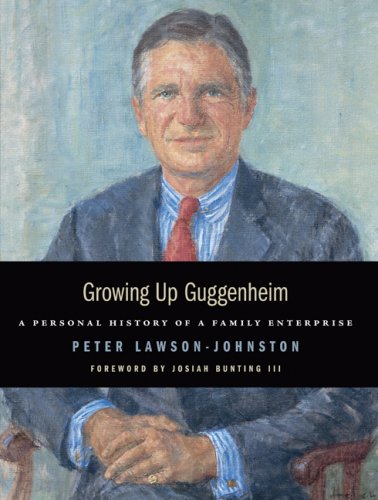
Lawson-Johnston: Growing Up Guggenheim

🔵 Tiedättekö mitä Guggenheimit ovat tehneet? Museoiden lisäksi siis. 

✅ Kävin kesällä elämäni ensimmäisen kerran Guggenheimin museossa ja olin pelkkänä kysymysmerkkinä, että kuka on näin hienoja museoita rakentanut. Tuumasta toimeen ja ostin museokaupasta kirjan heidän tarinasta.

✅ Guggenheimit emigroituivat Itävallasta Yhdysvaltoihin ja aloittivat ovelta ovelle kauppiaina. Alunperin he myivät muun muassa maanviljelijöille mönjää, jolla saattoi kiillottaa puuhelloja.

✅ Toiminnan laajentuessa he jatkoivat perustamalla mönjätehtaan. Seuraavaksi tuli vuoroon loikka toiselle toimialalle ja  pikkuhiljaa liiketoiminta laajeni kuparikaivoksiin. Loppuviimeksi Guggenheimin perheestä kasvoi markkinajohtaja kuparikaivannaisiin.

✅ Kirjan keskeinen oppi on kuvaus miten perheyhtiössä omaisuus sekä vastuu sen jatkojalostamisesta siirtyy suvun kykenevimmälle. Jatkuvuus on siis taattu lähipiiristä, mutta ei välttämättä suoraan alenevassa polvessa.

✅ Tarina kietoutuu ensisijassa miten New Yorkin ei-esittävän maalaustaiteen keräilemisesti kasvoi museo – jopa museoketju. Ja kuinka suurella pieteetillä Guggenheimit jalostivat kokoelmia sekä museorakennuksia.

✅ Lukukokemuksen lisäkis pääsee oppimaan myös minkälaisia olivat Guggenheim-perheen sisäiset ristiriidat, joita ei peitellä kaiken menestyksen keskellä.

⛔️ Ajoittain sukulaissuhteiden sekä niihin liittyvien anomalioiden perkaaminen on paikallaan junnaavaa. Ehkä ne myös olivat sitä tosielämässä? 

Kategoriat
Uncategorized

Chip Heath: Power of Moments

🔴 Mitä hyötyä on merkityksellisistä hetkistä? Ne rakentavat tarinaa, jota voit jakaa leirinuotiolla. Ne kasvattavat tunnetta, että tavoite on tavoittelemisen arvoinen. Ja koska matkalla syntyy pikavoittoja, niin miksi niitä ei juhlittaisi. 

✅ Heathien mukaan merkitykselliset hetket koostuvat seuraavista elementeistä:- Sosiaalisista tilanteista, joissa jaamme merkityksellisyyden tunnetta (Connection).- Jokapäiväisyyden yläpuolelle nouseminen (Elevation).- Opettavat lisää itsestämme (Insight).- Oikeuttavat meidät olemaan ylpeitä itsestämme (Pride). 

✅ Merkityksellisiä hetkiä on kolmenlaisia – siirtymät (ylioppilasjuhlat), saavutukset (ylennys työpaikalla) tai kompastuskivet (läheisen kuolema).  

✅ Etsi aktiivisesti niitä tilanteita, joiden avulla voit rikkoa jokapäiväistä kaavaa. Tavoitteena on:- Rikastuttaa arkipäivästä elämää.- Ylläpitää sosiaalisia suhteita.- Luoda muistoja.- Parantaa yhteisiä kokemuksia. 

✅ “The Power of Moments”-kirja on tavallaan jatkumo “Made to Stick”-kirjalle. Jälkimmäisen kirjan pääviesti oli, että miten saamme ideamme tarttumaan kuulijoiden mieleen. Tarkoitus on luoda muistijälkiä. 

⬛️ Kritiikkiä: Olipa kevyttä kauraa. Kirjan pääviestit olisi voinut kertoa artikkelinpituisesti.

Kategoriat
Uncategorized

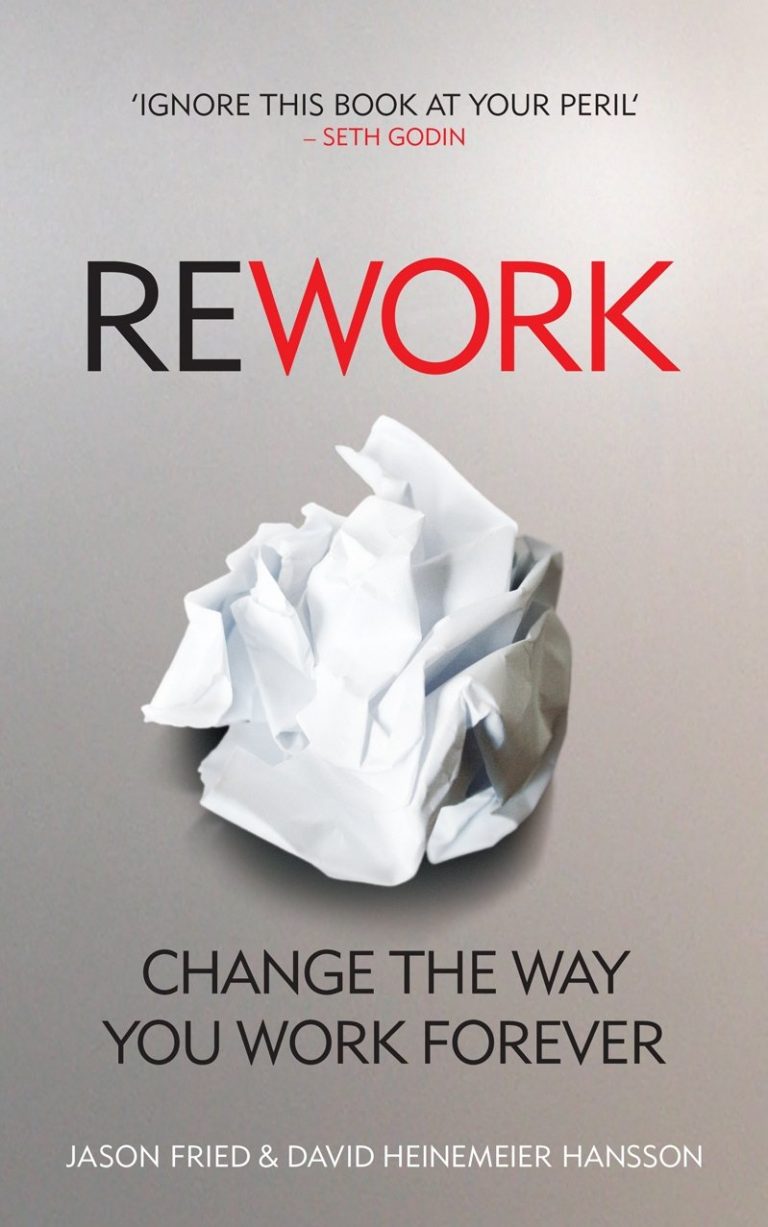
Fried & Heinemeier Hansson: Rework

bout the book

“Why don’t we just call plans what they really are: guesses. Start referring to your business plans as business guesses.” This quote illustrates the content of the book. Fried and Hansson has great ideas and a lot of those. That’s why you should continue reading.

What are the key learnings?

The mission of the book is as they say: “We hope it inspires you to rework how you do things.” And in a way it does. No, you won’t be getting new skills nor learn new theories or even read about great cases. You simply get inspiration to the ideas that you have already been thinking.

The key learnings are

–      “Become a starter, not an entrepreneur.

–      Do not raise funding, because it’s a bad deal.

–      A business without a path to profit isn’t a business, it’s a hobby.

–      Build an audience, because an audience can be your secret weapon.

–      Marketing is not a department, it is something everyone in your company is doing 24 / 7 / 365.”

I would call this book as a growth hacking of work

–      “Contrast that with learning from your successes. Success gives you real ammunition. When something succeeds, you know what.

–      Maybe the right size for your company is five people. Maybe it’s forty. Maybe it’s two hundred. Or maybe it’s just you and a laptop. Don’t make assumptions about how big you should be ahead of time.

–      Small is not just a stepping-stone. Small is a great destination in itself.

–      Workaholics aren’t heroes. They don’t save the day, they just use it up. The real hero is already home because she figured out a faster way to get things done.”

How to become s starter?

–      “Let’s retire the term entrepreneur. It’s outdated and loaded with baggage. It smells like a members-only club. Everyone should be encouraged to start his own business, not just some rare breed that self-identifies as entrepreneurs.

–      Anyone who creates a new business is a starter. You don’t need an MBA, a certificate, a fancy suit, a briefcase, or an above-average tolerance for risk. You just need an idea, a touch of confidence, and a push to get started.”

–      Stanley Kubrick gave this advice to aspiring filmmakers: “Get hold of a camera and some film and make a movie of any kind at all.” Kubrick knew that when you’re new at something, you need to start creating. The most important thing is to begin. So get a camera, hit Record, and start shooting.”

Make a dent in the universe

–      “To do great work, you need to feel that you’re making a difference. That you’re putting a meaningful dent in the universe. That you’re part of something important.”

Don’t take money from outsiders. Why?

–      “You give up control.

o  When you turn to outsiders for funding, you have to answer to them too. That’s fine at first, when everyone agrees. But what happens down the road? Are you starting your own business to take orders from someone else? Raise money and that’s what you’ll wind up doing.

–      Cashing out” begins to trump building a quality business.

o  Investors want their money back—and quickly (usually three to five years). Long-term sustainability goes out the window when those involved only want to cash out as soon as they can.

–      Spending other people’s money is addictive.

o  There’s nothing easier than spending other people’s money. But then you run out and need to go back for more. And every time you go back, they take more of your company.

–      It’s usually a bad deal.

o  When you’re just beginning, you have no leverage. That’s a terrible time to enter into any financial transaction.

–      Customers move down the totem pole. You wind up building what investors want instead of what customers want.

–      Raising money is incredibly distracting.

o  Seeking funding is difficult and draining. It takes months of pitch meetings, legal maneuvering, contracts, etc. That’s an enormous distraction when you should really be focused on building something great.”

Start a business, not a startup. Why?

–      “It’s a place where the laws of business physics don’t apply.

–      The startup. it’s a special breed of company that gets a lot of attention (especially in the tech world).

–      The startup is a magical place. It’s a place where expenses are someone else’s problem.

–      It’s a place where that pesky thing called revenue is never an issue.

–      It’s a place where you can spend other people’s money until you figure out a way to make your own.”

A business without a path to profit isn’t a business, it’s a hobby

–      Would you meet with a divorce lawyer the morning of your wedding? That would be ridiculous, right? You need a commitment strategy, not an exit strategy.

–      About pivoting… Huge organizations can take years to pivot. They talk instead of act. They meet instead of do.

–      Build an audience. All companies have customers. Lucky companies have fans. But the most fortunate companies have audiences. An audience can be your secret weapon.

–      Teaching is your chance to outmaneuver them.”

Go behind the scenes

–      People are curious about how things are made. It’s why they like factory tours or behind-the-scenes footage on DVDs.

–      They want to see how the sets are built, how the animation is done, how the director cast the film, etc.

–      They want to know how and why other people make decisions.

–      Letting people behind the curtain changes your relationship with them.”

Marketing is not a department

–      “Accounting is a department. Marketing isn’t. Marketing is something everyone in your company is doing 24 / 7 / 365.

–      Just as you cannot not communicate, you cannot not market: Every time you answer the phone, it’s marketing.

–      Every time you send an e-mail, it’s marketing.

–      Every time someone uses your product, it’s marketing.

–      Every word you write on your Web site is marketing.

–      If you build software, every error message is marketing.

–      If you’re in the restaurant business, the after-dinner mint is marketing”.

About hiring

–      “Do it yourself first.

–      Never hire anyone to do a job until you’ve tried to do it yourself first. That way, you’ll understand the nature of the work. You’ll know what a job well done looks like.

–      Hire when it hurts.

–      Don’t hire for pleasure; hire to kill pain. Always ask yourself: What if we don’t hire anyone? Is that extra work that’s burdening us really necessary? Can we solve the problem with a slice of software or a change of practice instead? What if we just don’t do it?”

Who to hire?

–      “If you are trying to decide among a few people to fill a position, hire the best writer.

–      It doesn’t matter if that person is a marketer, salesperson, designer, programmer, or whatever; their writing skills will pay off. That’s because being a good writer is about more than writing.

–      Clear writing is a sign of clear thinking. Great writers know how to communicate. They make things easy to understand. They can put themselves in someone else’s shoes. They know what to omit.

–      Those are qualities you want in any candidate.

Comeback of writing

–      “Writing is making a comeback all over our society.

–      Look at how much people e-mail and text-message now rather than talk on the phone.

–      Look at how much communication happens via instant messaging and blogging.

–      Writing is today’s currency for good ideas.”

Ideas are forever

–      “Ideas are immortal.

–      They last forever.

–      What doesn’t last forever is inspiration.

–      Inspiration is like fresh fruit or milk: It has an expiration date.”

About inspiration

–      When you’re high on inspiration, you can get two weeks of work done in twenty-four hours.

–      Inspiration is a time machine in that way.

–      Inspiration is a magical thing, a productivity multiplier, a motivator. But it won’t wait for you.

–      Inspiration is a now thing. If it grabs you, grab it right back and put it to work.”

How should we change according to the book?

Put your inspiration into work.

What should I personally do?

Write to rework@ 37signals.com

Summary

The book in six words – ”Say and I will listen. Talk and I will reply. Ask and I will think” (Mikko Mattinen)

Kategoriat
Uncategorized

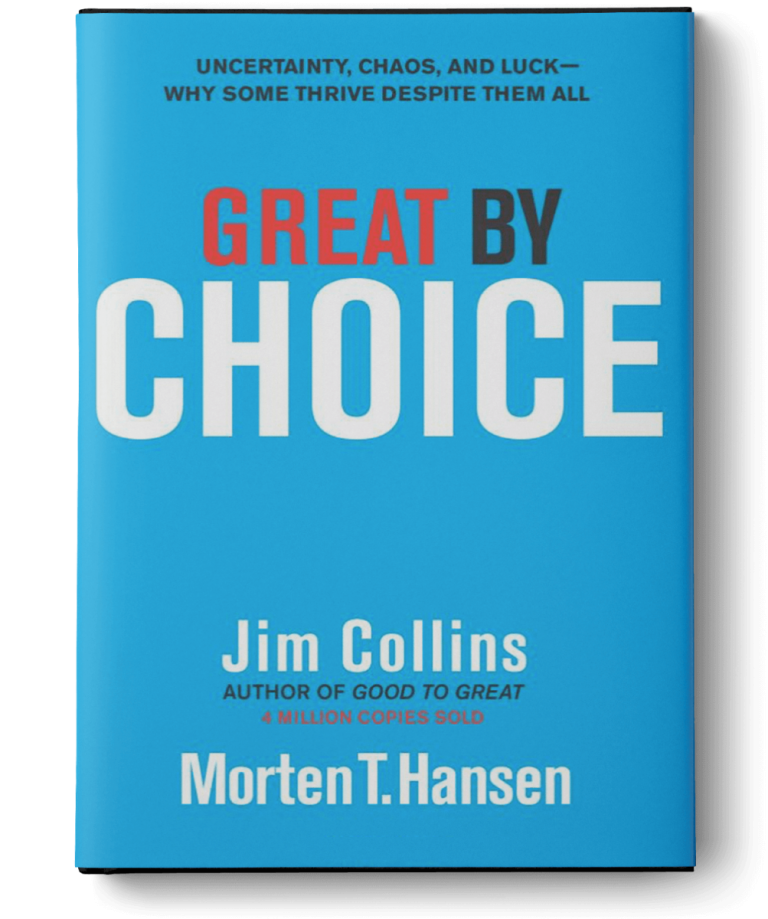
Collins & Hansen: Great by Choice

About the book

I just the love Mr. Jim Collins and his research team has conducted. No man on earth has made as much as Mr. Collins to help leaders to stay on track. The current business systems wouldn’t be the same without his insights, creative writings and evidence based analysis. We can easily promote Jim Collins to the same category as Peter Drucker.

“One should… be able to see that things are hopeless and yet be determined to make them otherwise.” —F. Scott Fitzgerald

What are the key learnings?

Key question… “What does it take to build a great company?”

This is the recipe…. “Bill Gates didn’t just get a lucky break and cash in his chips. He kept pushing, driving, working:

1)   staying on a 20 Mile March;

2)   firing first bullets, then big calibrated cannonballs;

3)   exercising productive paranoia to avoid the Death Line;

4)   developing and amending a SMaC recipe;

5)   hiring great people;

6)   building a culture of discipline; never deviating from his monomaniacal focus—and sustained his efforts for more than two decades.”

1 THRIVING IN UNCERTAINTY

Meaning of the book…. “All of this led us to a simple question: Why do some companies thrive in uncertainty, even chaos, and others do not? We began the nine-year research project behind this book in 2002, when America awoke from its false sense of stability, safety, and wealth entitlement.”

“We selected on performance plus environment for two reasons:

1)   First, we believe the future will remain unpredictable and the world unstable for the rest of our lives, and we wanted to understand the factors that distinguish great organizations, those that prevail against extreme odds, in such environments.

2)   Second, by looking at the best companies and their leaders in extreme environments, we gain insights that might otherwise remain hidden when studying leaders in more tranquil settings.”

FINDING THE 10X CASES

“We spent the first year of our efforts identifying the primary study set of 10X cases, searching for historical cases that met three basic tests:

1)   The enterprise sustained truly spectacular results for an era of 15 + years relative to the general stock market and relative to its industry.

2)   The enterprise achieved these results in a particularly turbulent environment, full of events that were uncontrollable, fast-moving, uncertain, and potentially harmful.

3)   The enterprise began its rise to greatness from a position of vulnerability, being young and/ or small at the start of its 10X journey.

The crucial question is “What did the great companies share in common that distinguished them from their direct comparisons?”

Leaders…. Entrenched myth: Successful leaders in a turbulent world are bold, risk-seeking visionaries. Contrary finding: The best leaders we studied did not have a visionary ability to predict the future. They observed what worked, figured out why it worked, and built upon proven foundations.

They were not:

·     more risk taking,

·     bolder,

·     more visionary, and

·     more creative than the comparisons.

They were:

·     more disciplined,

·     more empirical, and

·     more paranoid.

Innovation…. “Entrenched myth: Innovation distinguishes 10X companies in a fast-moving, uncertain, and chaotic world. Contrary finding: To our surprise, no. Yes, the 10X cases innovated, a lot. But the evidence does not support the premise that 10X companies will necessarily be more innovative than their less successful comparisons; and in some surprise cases, the 10X cases were less innovative. Innovation by itself turns out not to be the trump card we expected; more important is the ability to scale innovation, to blend creativity with discipline.”

Speed….. “Entrenched myth: A threat-filled world favors the speedy; you’re either the quick or the dead. Contrary finding: The idea that leading in a “fast world” always requires “fast decisions” and “fast action”—and that we should embrace an overall ethos of “Fast! Fast! Fast!”—is a good way to get killed. 10X leaders figure out when to go fast, and when not to.”

Change…. “Entrenched myth: Radical change on the outside requires radical change on the inside. Contrary finding: The 10X cases changed less in reaction to their changing world than the comparison cases. Just because your environment is rocked by dramatic change does not mean that you should inflict radical change upon yourself.”

Luck…. “Entrenched myth: Great enterprises with 10X success have a lot better luck.  Contrary finding: The 10X companies did not generally have more luck than the comparisons. Both sets had luck—lots of luck, both good and bad—in comparable amounts. The critical question is not whether you’ll have luck, but what you do with the luck that you get.”

Peter Drucker taught, “the best—perhaps even the only—way to predict the future is to create it.

2 10XERS

“Victory awaits him who has everything in order—luck people call it. Defeat is certain for him who has neglected to take the necessary precautions in time; this is called bad luck.” —Roald Amundsen, The South Pole

“Amundsen’s philosophy: You prepare with intensity, all the time, so that when conditions turn against you, you can draw from a deep reservoir of strength. And equally, you prepare so that when conditions turn in your favor, you can strike hard.”

“Unlike Scott, Amundsen systematically built enormous buffers for unforeseen events.”

“A single detail aptly highlights the difference in their approaches: Scott brought one thermometer for a key altitude-measurement device, and he exploded in “an outburst of wrath and consequence” when it broke; Amundsen brought four such thermometers to cover for accidents.”

DIFFERENT BEHAVIORS, NOT DIFFERENT CIRCUMSTANCES

“We’re not saying that 10Xers lacked creative intensity, ferocious ambition, or the courage to bet big. They displayed all these traits, but so did their less successful comparisons. So then, how did the 10Xers distinguish themselves?

1)   Control: First, 10Xers embrace a paradox of control and non-control. On the one hand, 10Xers understand that they face continuous uncertainty and that they cannot control, and cannot accurately predict, significant aspects of the world around them.

2)   Fate: On the other hand, 10Xers reject the idea that forces outside their control or chance events will determine their results; they accept full responsibility for their own fate.

10Xers then bring this idea to life by a triad of core behaviours:

·     Fanatic discipline,

·     Empirical creativity, and

·     Productive paranoia.

FANATIC DISCIPLINE

“Both Kelleher and Lewis, like all the 10Xers we studied, were nonconformists in the best sense. They started with values, purpose, long-term goals, and severe performance standards; and they had the fanatic discipline to adhere to them.”

(if you’re a hammer, everything you see looks like a nail).

EMPIRICAL CREATIVITY

Like scientists….. “CEOs of the 10Xers were like scientists. Working based on the data and evidence.”

“Social psychology research indicates that at times of uncertainty, most people look to other people—authority figures, peers, group norms—for their primary cues about how to proceed.

10Xers, in contrast, do not look to conventional wisdom to set their course during times of uncertainty, nor do they primarily look to what other people do, or to what pundits and experts say they should do. They look primarily to empirical evidence.”

“But the 10Xers had a much deeper empirical foundation for their decisions and actions, which gave them well-founded confidence and bounded their risk. The 10Xers don’t favor analysis over action; they favor empiricism as the foundation for decisive action.”

PRODUCTIVE PARANOIA

“Like Amundsen with his huge supply buffers, 10Xers maintain a conservative financial position, squirreling away cash to protect against unforeseen disruptions.”

“In short, we found no consistent pattern in the backgrounds of 10Xers relative to the comparison leaders.”

3 20 MILE MARCH

“The 20 Mile March is more than a philosophy. It’s about having concrete, clear, intelligent, and rigorously pursued performance mechanisms that keep you on track.”

“The 20 Mile March creates two types of self-imposed discomfort:

(1) the discomfort of unwavering commitment to high performance in difficult conditions, and

(2) the discomfort of holding back in good conditions.”

Important…. “We found that every 10X company exemplified the 20 Mile March principle during the era we studied.”

WHY 20 MILE MARCHERS WIN?

“20 Mile Marching helps turn the odds in your favor for three reasons:

1. Confidence: It builds confidence in your ability to perform well in adverse circumstances.

2. Prevent: It reduces the likelihood of catastrophe when you’re hit by turbulent disruption.

3. Self-control: It helps you exert self-control in an out-of-control environment.”

“Having a clear 20 Mile March focuses the mind; because everyone on the team knows the markers and their importance, they can stay on track.”

ARTHUR LEVINSON: TEACHING A COMPANY TO MARCH

A good 20 Mile March has the following seven characteristics:

1. Clear performance markers.

2. Self-imposed constraints.

3. Appropriate to the specific enterprise.

4. Largely within the company’s control to achieve.

5. A proper timeframe—long enough to manage, yet short enough to have teeth.

6. Imposed by the company upon itself.

7. Achieved with high consistency.

“Key question? What is your 20 Mile March, something that you commit to achieving for 15 to 30 year?”

4 FIRE BULLETS, THEN CANNONBALLS

A BIG SURPRISE

About innovation…. “The evidence from our research does not support the premise that 10X companies will necessarily be more innovative than their less successful comparisons. And in some surprise cases, such as Southwest Airlines versus PSA and Amgen versus Genentech, the 10X companies were less innovative than the comparisons.”

About pioneering…. “Tellis and Golder also found that 64 percent of pioneers failed outright.

Good for society, bad for pioneers…. “It seems that pioneering innovation is good for society but statistically lethal for the individual pioneer!”

The level of innovation…. “We’re not saying that innovation is unimportant. Every company in this study innovated. It’s just that the 10X winners innovated less than we would have expected relative to their industries and relative to their comparison cases; they were innovative enough to be successful but generally not the most innovative.”

CREATIVITY AND DISCIPLINE

“Of course, it is not discipline alone that makes greatness, but the combination of discipline and creativity.”

“Fire bullets, then fire cannonballs. First, you fire bullets to figure out what’ll work. Then once you have empirical confidence based on the bullets, you concentrate your resources and fire a cannonball. After the cannonball hits, you keep 20 Mile Marching to make the most of your big success.”

<= Just like in the “Lean Startup Way”

Bullets… “Acquisitions would be made with little or no debt, and only when the balance sheet would remain strong after the purchase, thereby ensuring that acquisitions would remain low risk, low cost, and relatively low distraction.”

Calibrated cannonballs… “The 10Xers were much more likely to fire calibrated cannonballs, while the comparison cases had uncalibrated cannonballs flying all over the place.”

“And that’s the underlying principle: empirical validation. Be creative, but validate your creative ideas with empirical experience. You don’t even need to be the one to fire all the bullets; you can learn from the empirical experience of others.”

EMPIRICAL VALIDATION, NOT PREDICTIVE GENIUS

APPLE’S REBIRTH: BULLETS, CANNONBALLS, AND DISCIPLINED CREATIVITY

KEY POINTS ► A “fire bullets, then cannonballs” approach better explains the success of 10X companies than big-leap innovations and predictive genius.

5 LEADING ABOVE THE DEATH LINE

“As soon as there is life there is danger.” —Ralph Waldo Emerson

“In this chapter, we explore three core sets of practices, rooted in the research, for leading and building a great enterprise with productive paranoia: ► Productive Paranoia 1: Build cash reserves and buffers—oxygen canisters—to prepare for unexpected events and bad luck before they happen. ► Productive Paranoia 2: Bound risk—Death Line risk, asymmetric risk, and uncontrollable risk—and manage time-based risk. ► Productive Paranoia 3: Zoom out, then zoom in, remaining hypervigilant to sense changing conditions and respond effectively.”

PRODUCTIVE PARANOIA 1: EXTRA OXYGEN CANISTERS-IT’S WHAT YOU DO BEFORE THE STORM COMES

“A Black Swan is a low-probability disruption, an event that almost no one can foresee, a concept popularized by the writer and financier Nassim Nicholas Taleb. Almost no one can predict a particular Black Swan before it hits, not even our 10Xers. But it is possible to predict that there will be some Black Swan, as yet unspecified.”

“When a calamitous event clobbers an industry or the overall economy, companies fall into one of three categories: those that pull ahead, those that fall behind, and those that die. The disruption itself does not determine your category. You do.”

PRODUCTIVE PARANOIA 2: BOUNDING RISK

“To explore this question, we first identified three primary categories of risk relevant to leading an enterprise: (1) Death Line risk, (2) asymmetric risk, and (3) uncontrollable risk. (See Research Foundations: Risk-Category Analysis.)”

“In short, we found that the 10X companies took less risk than the comparison cases. Certainly, the 10X leaders took risks, but relative to the comparisons in the same environments, they bounded, managed, and avoided risks. The 10X leaders abhorred Death Line risk, shunned asymmetric risk, and steered away from uncontrollable risk.”

PRODUCTIVE PARANOIA 3: ZOOM OUT, THEN ZOOM IN

Zoom Out…. “Sense a change in conditions Assess the time frame: How much time before the risk profile changes? Assess with rigor: Do the new conditions call for disrupting plans? If so, how?”

Zoom In…. “Focus on supreme execution of plans and objectives”

LEADING ABOVE THE DEATH LINE KEY POINTS ► This chapter explores three key dimensions of productive paranoia: 1. Build cash reserves and buffers—oxygen canisters—to prepare for unexpected events and bad luck before they happen. 2. Bound risk—Death Line risk, asymmetric risk, and uncontrollable risk—and manage time-based risk. 3. Zoom out, then zoom in, remaining hypervigilant to sense changing conditions and respond effectively.

6 SMaC

“Most men die of their remedies, and not of their illnesses.” —Molière

The “SMaC” is a formula and the word stands for

–      Specific,

–      Methodical, and

–      Consistent.”

“You can use the term “SMaC” as a descriptor in any number of ways: as an adjective (“ Let’s build a SMaC system”), as a noun (“ SMaC lowers risk”), and as a verb (“ Let’s SMaC this project”).”

“A SMaC recipe is a set of durable operating practices that create a replicable and consistent success formula; it is clear and concrete, enabling the entire enterprise to unify and organize its efforts, giving clear guidance regarding what to do and what not to do. A SMaC recipe reflects empirical validation and insight about what actually works and why. Howard Putnam’s 10 points at Southwest Airlines perfectly illustrates the idea.”

7 RETURN ON LUCK

“The real difference between the 10X and comparison cases wasn’t luck per se but what they did with the luck they got. Adding up all the evidence, we found that the 10X cases were not generally luckier than the comparison cases. The 10X cases and the comparisons both got luck, good and bad, in comparable amounts. The evidence leads us to conclude that luck does not cause 10X success. People do. The critical question is not “Are you lucky?” but “Do you get a high return on luck?”

This is just like straight from Malcolm Gladwell’s “Outliers” …. “His friend Paul Allen just happened to see a cover story in the January 1975 issue of Popular Electronics titled “World’s First Microcomputer Kit to Rival Commercial Models.”

Important about the luck…. “Gates did more with his luck, taking a confluence of lucky circumstances and creating a huge return on his luck. And this is the important difference.”

Return on Luck (ROL)….. “Everyone gets luck, good and bad, but 10X winners make more of the luck they get. The Bill Gates story illustrates the upper-right quadrant, getting a great return on good luck.”

10XERS SHINE: GREAT RETURN ON BAD LUCK

“Canadian NHL players with the “bad luck” of being born in the second half of the year have a higher likelihood of making it into the Hall of Fame than those with the “good luck” of being born in the first half of the year!”

About bad luck…. “Nietzsche famously wrote, “What does not kill me, makes me stronger.” We all get bad luck. The question is how to use that bad luck to make us stronger, to turn it into “one of the best things that ever happened,” to not let it become a psychological prison. And that’s precisely what 10Xers do.”

BAD LUCK, POOR RETURN: THE ONE PLACE YOU REALLY DON’T WANT TO BE

LUCK IS NOT A STRATEGY…. “Life offers no guarantees. But it does offer strategies for managing the odds, indeed, even managing luck. The essence of “managing luck” involves four things: (1) cultivating the ability to zoom out to recognize luck when it happens, (2) developing the wisdom to see when, and when not, to let luck disrupt your plans, (3) being sufficiently well-prepared to endure an inevitable spate of bad luck, and (4) creating a positive return on luck—both good luck and bad—when it comes. Luck is not a strategy, but getting a positive return on luck is.”

“The best leaders we’ve studied maintain a paradoxical relationship to luck. On the one hand, they credit good luck in retrospect for having played a role in their achievements, despite the undeniable fact that others were just as lucky. On the other hand, they don’t blame bad luck for failures, and they hold only themselves responsible if they fail to turn their luck into great results. 10Xers grasp that if they blame bad luck for failure, they capitulate to fate. Equally, they grasp that if they fail to perceive when good luck helped, they might overestimate their own skill and leave themselves exposed when good luck runs dry. There might be more good luck down the road, but 10Xers never count on it.”

EPILOGUE GREAT BY CHOICE

Disease…. “We sense a dangerous disease infecting our modern culture and eroding hope: an increasingly prevalent view that greatness owes more to circumstance, even luck, than to action and discipline—that what happens to us matters more than what we do.”

Responsibility…. “Do we want to build a society and culture that encourage us to believe that we aren’t responsible for our choices and accountable for our performance? Our research evidence stands firmly against this view.”

People….“The factors that determine whether or not a company becomes truly great, even in a chaotic and uncertain world, lie largely within the hands of its people.”

Moment of truth…. “When the moment comes—when we’re afraid, exhausted, or tempted—what choice do we make? Do we abandon our values? Do we give in? Do we accept average performance because that’s what most everyone else accepts?”

Deep within…. “The greatest leaders we’ve studied throughout all our research cared as much about values as victory, as much about purpose as profit, as much about being useful as being successful. Their drive and standards are ultimately internal, rising from somewhere deep inside.

How should we change according to the book?

Start the 20 Mile March:

1. Clear performance markers (tavoitteet).

2. Self-imposed constraints.

3. Appropriate to the specific enterprise.

4. Largely within the company’s control to achieve (saavutettavissa).

5. A proper timeframe—long enough to manage, yet short enough to have teeth (aikaikkuna).

6. Imposed by the company upon itself.

7. Achieved with high consistency (osumatarkkuus).

What should I personally do?

“Companies, leaders, organizations, and societies do not thrive on chaos. But they can thrive in chaos.”

Summary

The book in six words – ”When the going gets weird, the weird become CEO.” (Hunter S. Thompson quote with a slight twist)