Kategoriat
book-review Uncategorized

The Tipping Point

About the book

I read this book in paper format. There is plethora of books about change. Nevertheless this book about changes is well spent time.

Let’s start with the definition. A tipping point is one dramatic moment when a change occurs. Or as Gladwell defines “the moment of critical mass, the threshold, the boiling point”. For example Sharp introducing low-priced fax in 1984 or mobile phones hitting a tipping point 1998. Is the low-price 3D printers a tipping point?

How was the actual reading of the book?

I would recommend this book for people in business or interested about business. Somehow the business could utilize these findings more rapidly than other industries. Obviously other applications can be developed based on the book too.

Tipping point is about change and how the changes occur. It helps the reader to identify and understand changes more coherently. What could a trend and what will be a fad.

Underlying pattern that connects all changes is:

  • Contagious behavior
  • Little things have huge impact
  • Those are rapid

What are the key learnings of the book? 

Malcom Gladwell has three major findings into which the concept of Tipping point is tied to.

The Law of the few

  • Exceptional people noticing a trend and spreading it onwards.
  • These people identify the trends or changes and spread it via word-of-mouth.
  • Who would spread the change better than people whom we trust in their opinion?

The Stickiness Factor

  • The Stickiness Factor is a critical component.
  • The change must be recognizable and it must differentiate from other incidents.
  • How do you remember it if it does not stick with you?

The Power of Context

  • Sensitivity of people makes changes.
  • These are true in religious movements or in movies.
  • Is the movie good if the theater is half-empty?

How should we change according to the book?

Maybe this book is not about changing our behavior unless we see it as a way to perceive changes.

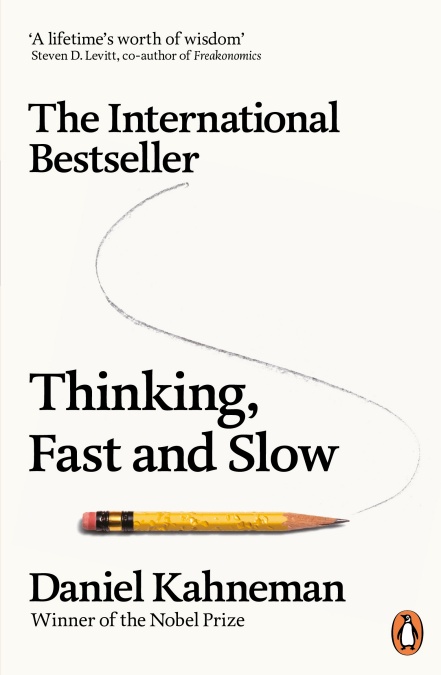
Daniel Kahneman writes in his book “Thinking, Fast and Slow” about organizations making less errors. This one of the lessons for organizations also in Gladwell’s book.

Greatest benefit of reading this book comes from the notions that we can obtain an ability to recognize changes.

What should I personally do? 

Start evaluating people and incidents. Weak signs can be found from those sources. Maybe a trend is building up momentum towards a tipping point.

Summary

Malcolm Gladwell has designed his book in order to satisfy the needs of the reader Change is happening all the time and it is occurring around you. With help of Gladwell’s writings these changes can be turned into action.

He even uses the learnings of the book by himself. For example the name of the book. It is well formulated. It helps us to remember the book. And more importantly the name helps us to spread Gladwell’s learnings.

The book in six words – Don’t be a bystander, be the change agent.
Kategoriat
book-review Uncategorized

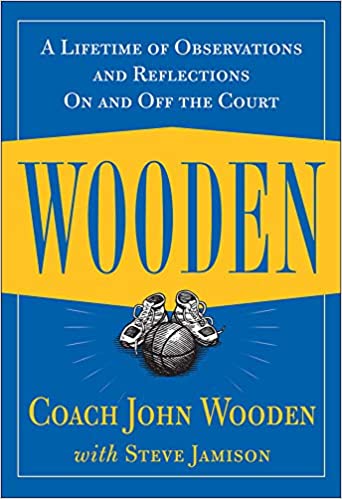
A Lifetime of Observations and Reflections On and Off the Court By J. Wooden

About the book

This time I read the book in Kindle format. The chapters are fairly short and the e-book format works well with Wooden’s thinking.

How was the actual reading of the book?

Wooden is very frank and humane. He uses less superlatives compared to a typical business book. This book can be easily read in a weekend.

What are the key learnings of the book? 

 The key learnings can be summarized as following:

  • Two sets of threes 
    • Wooden’s father had simple rules about honesty and adversity. Honesty goes like “never lie, never cheat and never steal”. Adversity rules are “don’t whine, don’t complain and don’t make excuses”. For a Finn these rules are obvious
  • The goal is a by-product 
    • Coach Wooden sees that making your best has an end-result – achieving your goals.
  • Seek small improvements every day
    • And the key to goals lies in small improvements which can be achieved every day.
  • Think big is too strong for kids
    • But achieving goals should be fitted into ones resources. Small dreams for those who have small resources. Big dreams for those who have big resources.
  • Did I make my best effort?
    • That’s what matters

How should we change according to the book?

In great many ways, but from this book you can find the baby steps of improvement. I would highlight two essential learnings that can turned into everyday guidelines.

First is that the doer makes mistakes. John Wooden believes that the team which makes most mistakes will probably win. Doing and learning goes hand in hand in Wooden’s thinking. The second one is to learn forever, die tomorrow. If you want to turn Wooden’s philosophy in an equation it might look like this: Idealism + Realism + Hard work = More than you can hope

What should I personally do? 

Promise to talk health, happiness and prosperity.

Summary

Not too many times you come up with a writer like John Wooden. His humane attitude and great reputation as a coach underlines the soft ways of coaching teams into greatness. Compared to Kahneman’s book this book is about team leadership in plain English.

All in all it is a great book if you have recently read only hard-core business books. A short book, but a welcomed book about coaching. And you ask from yourself every day….

The book in six words – Did I make my best effort?

Kategoriat
book-review Uncategorized

Thinking, fast and slow

Daniel Kahneman

Me and my book club

I’ve been member of a book club for four years. Book club has eleven members and they are also business professionals of various discipline and industries. We gather once a month or every other month. The meetings are standardized. We have the same procedure and standard questions. This time I took a challenge. I would make written notes of the book, not just underline interesting topics. I also decided that I would document my analysis. So here we go…..

About the book

In the age of Twitter a book that has nearly 500 pages must be worth the time. While this a book that requires your full attention, it is in the same time intellectually rewarding and also fun. I could sometimes hear Kahneman giggle. For example his equation about martial stability – “frequency of lovemaking minus frequency of quarrels. You don’t want your result to be a negative number”.

How was the actual reading of the book?

Sometimes writers with a position in the academia have a cumbersome way on expressing themselves. That is not the case of Kahneman. He has forgotten his discipline and is writing in plain English. Secondly he lures readers on thinking different what-if –scenarios. For example when explaining how System 1 or 2 operates he let’s us test ourselves with different tests. Thirdly it is quite difficult to come up with negative comments of the contents. Sometimes he get’s carried away with his statistical analysis, but that happens fairly seldom. And sometimes the describing of the designing of different tests are less interesting. But nevertheless he carries readers easily through those parts also.

What are the key learnings of the book? 

I will skip all the key lessons and dive straight into learnings. Key learnings are: 

  • Want to be well-being?
    • Goals are key into well-being. Think about your goals before dreaming being satisfied and well-being.
  • Don’t want to regret anything?
    • Know you loss aversion and create a risk policy.
  • Want to be realistic?
    • Legitimize doubts
  • Would you like to be optimistic?
    • Sorry, the optimistic attitude is inherited

How should we change according to the book? 

Actually Kahneman points out in the last page of the book an elegant answer to this. Firstly organizations make less errors, because they can think more slowly and the way of working is organized. Secondly organizations have read their “Checklist Manifestos” and they do have checklists. Organizations can do forecasting. Last, but not least. Organizations are deploying premortem – analysis of failure.

What should I personally do? 

This is easy. Set new goals. 

Summary

Thinking, fast and slow by D. Kahneman is one of the TOP3 business books I’ve read so far. The crip of the book is intense and will not let you down. Every page is worth turning, because you cannot wait the findings Kahneman has made. It’s intellectually challenging. It’s well written. One can easily imagine how to use the learnings. And would also argue that the wealth of the wisdom of the book might be everlasting?

The book in six words – top three business book of our lives.

Kategoriat
book-review Uncategorized

Yksin seitsemällä merellä

🔵 Suomi on avomeripurjehduksen suurvalta? Ainakin minä toivon niin, että Lehtinen aloittaa uuden aikakauden.

✅ Lehtisen purjehdusfilosofiaa on hauskaa opiskella kirjasta, miten hän kertoo siitä ja kuinka sitä kilpailun aikana koetellaan.

✅ Tavallaan hänen tarinansa muistuttaa Shackletonin ja Amundsenin seikkailuja. Loppuvaiheessa Lehtinen seilasi Atlantilla ilman kaasuhellaa, kone rikkoutuneena, akut eivät lataudu ja vessapaperi on loppu.

✅ Vuoden mittaisen purjehduskilpailun opit on helppo kiteyttää neljään ja puoleen totuuteen:
1) Valmistaudu ajoissa.
2) Ota kaikkea mukaan kaksi ellei peräti kolme.
3) Ystäviä ei ole koskaan liikaa, kun lähdön hetki lähenee.
4) Veneen tiivisteisiin eikä toisten puheisiin kannata luottaa – tarkasta kaikki itse.
4 ½) Merta ei saa roskata.

✅ Olen lukenut Tompen, Hjalliksen ja muiden suomalaisten avomeripurjehduskokemuksista. Tapion tarina ei häviä muille maailman ympäripurjehtijoille, koska tämä tarina on kertaluokkaa sivistyneempi.

✅ Vuoden mittaisessa yksinpurjehduskilpailussa auttaa toki, jos olet osallistunut aikaisemmin maailman ympäripurjehduskilpailuihin. Lehtinen oli osallistunut Skopbank of Finlandin miehistössä Whitbread Round The World-kisaan.

🔴 Jos jotain negatiivista pitää keksiä, niin Tapio oli viimeinen maaliin saapuja.

Kategoriat
book-review Uncategorized

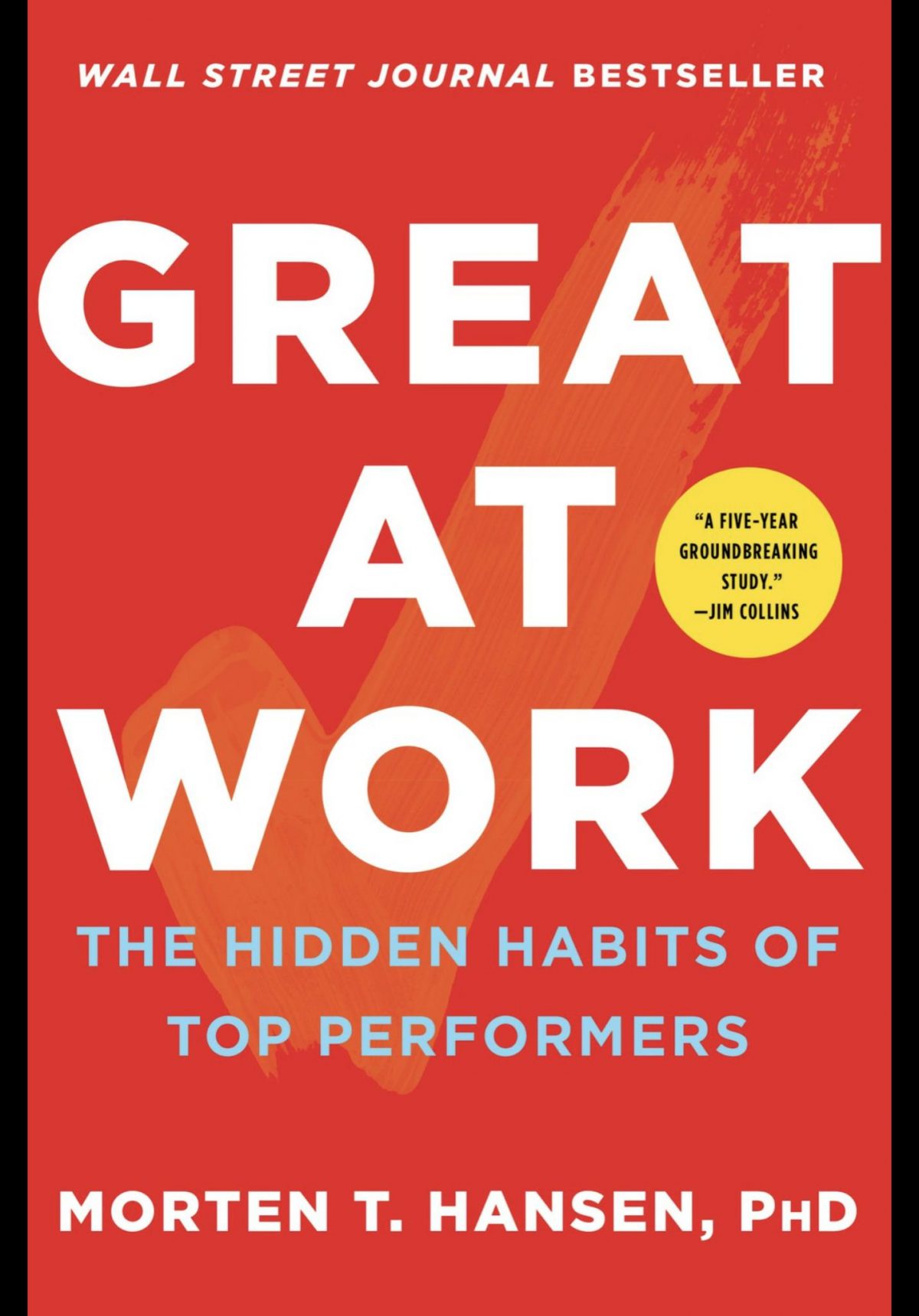
GREAT AT WORK

🔵 Haluatko olla 25 % tehokkaampi työssäsi kuin muut ihmiset?

✅ Mortenin mukaan valtaosin paremmin työssään suoriutuminen perustuu #TeenTyöniTaitavasti-tapoihin. Tavat ovat siis avain tehokkuuteen. Ja erityisesti tavat miten teet töitä yksin ja yhdessä muiden kanssa.

✅ Kirja perustuu tutkimustuloksiin, jossa kerättiin dataa 5000 asiantuntijalta ja johtajalta. Tuloksien mukaan:
– 66% suoriutumisesta selittyy oman ja yhteistyötapojen kautta. #TeenTyöniTaitavasti
– 10% selittyy koulutuksen, iän ja tehtyjen työtuntien perusteella.
– 24% selittyy onnen ja lahjakkuuden sekä muiden satunnaisten tekijöiden kautta.

✅ Miten tullaan #TeenTyöniTaitavasti-työntekijäksi?
1) Pienennä tavoitteiden määrää ja toteuta ne aina paremmin.
2) Ole nopea, mutta lopeta kiireily.
3) Tee tavoistasi taito.

✅ Muita mielenkiintoisia datapisteitä:
– #TeenTyöniTaitavasti -menetelmä kasvattaa tehokkuutta 25 %.
– Jos viikkotyötunnit kasvavat yli 50 tunnin, niin tehokkuus häviää.
– Myynnissä on intohimoa, koska myyjistä yli 30% koki intohimoa työhönsä. Se oli tutkimuksen toiseksi paras tulos.
– Kun multitaskaaminen kasvaa 50 %:lla, niin se johtaa aikataulujen venymiseen 20 %:lla ja tehokkuus heikkenee 40 %:lla.

⛔ “Being busy is not an accomplishment”.

Kategoriat
book-review Uncategorized

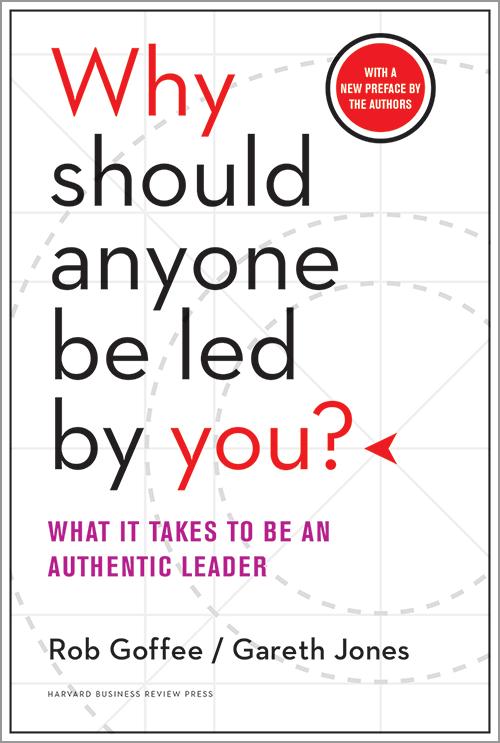
Why should anyone be led by you?


Tämä kirja on ”jyrkkä ei” pitkille listauksille, mutta silti niitä on vaikea välttää tässä(kin) kirjassa. Kirja on lukemisen arvoinen analyysi johtamisesta….

Vaikuttavassa johtajuudessa on kysymys tuloksista.

Onnistunutta johtajuutta voidaan kuvata sanoin tehokas tai taitava. Millä tahansa tasolla johtaja toimiikin, niin hänen työnsä ainoa mittari on, että saako hän vaikutuksen aikaan. Vaikuttavuutta voidaan silloin mitata tuloksien, mutta myös merkityksen kautta.

Vaikuttava johtaja saa luotu ihmisilleen merkityksen – mitä minä hyödyn tästä, ja sen avulla pystyy johtamaan toisia.

Universaalit ominaisuudet

Kirjoittajien mielestä ei ole olemassa mitään universaalia ominaisuutta, joka yhdistäisi johtajia. Mikä toimii yhden henkilön kohdalla ei välttämättä ole totta toisen kohdalla. Jokaisen pitää olla oman elämänsä toimitusjohtaja.

Sanottuaan, ettei ole olemassa mitään universaalia, niin he kuitenkin tunnistavat seuraavat:

– Tilanteeseen sidottu. Churchill oli hyvä sodanajan johtaja, mutta ei rauhanajan.

– Epähierarkisuus. Johtajuutta ei kannata rakentaa hierarkisuuteen, koska se voidaan kyseenalaistaa nopeasti.

– Suhteet. Johtamisessa on kyse ihmissuhteista ja pitkälti tämä kirja käsittelee näitä aiheita, joita tarvitaan johtajuudessa. Miten saada ihmiset seuraamaan johtajaansa?

Suhteet perustuvat autenttisuuteen ja autenttisuus perustuu sanoihin sekä tekoihin. Aitoudeksi koetaan sanojen muuttaminen teoiksi ja siksi se on merkityksellinen lähde autenttisuuteen. Olemalla oma itsensä voi voittaa ihmisten halun toimia johtajansa kanssa.

Itsensä tunteminen on lähtötaso ja sen lisäksi pitää osata lukea tilannetta. Koska maailma ei ole yksinkertainen, niin eri tilanteissa pitää osata reagoida eri tavalla. Ja varsinkin tilanteen kääntäminen hyödyksi muuttaa johtamisen teoiksi. Työelämässä ihmiset hakevat johtajistaan jo mainittua autenttisuutta, merkitystä, yhteisöllisyyttä jopa innostusta. Sopeutuminen, olemalla yksilö ja luomalla suhteen omiin ihmisiin on kaava, jolla ei voi epäonnistua.

Johdettavat kysyvät itseltään miksi he antautuisivat johdettavaksi?

Siihen kysymykseen johtajalla pitää olla vastaus – joka päivä, sanojen ja tekojen kautta. Eli laittamalla itsensä likoon. Johtaja voi differoitua hyödyntämällä eri tekniikoita saadakseen vaikutuksen aikaiseksi. Olemalla läsnä, vastaamalla sähköposteihin tai kätellessä puristaa kättä hieman kauemmin kuin muut. Voit myös olla hiljaisuuden mestari – kun sitä tarvitaan.

Miten differoitua johtajana?

• Richard Bransonin haastajan asenne.

• Bill Clintonin charmi.

• Bill Gatesin nörttiys.

• Greg Dykein kansanmies-asenne. 

• Darwin E. Smithin vaatimattomuus.

Mutta differoitumisen riskit voivat realisoitua:

• Steve Jobs ja Apple.

• Jan Carlzon ja SAS.

• Pehr Gyllenhammer ja Volvo.

Yhteenveto

Yhteenvetona voidaan todeta, että vaikuttavat johtajat saavat menestyksensä:

1. Tuntemalla itsensä.

2. Olemalla itsensä.

3. Näyttämällä luonteensa.

Mitä pitää välttää?

Ylimanageroida ja alijohtaa on varma keino epäonnistua

Keinoja

Hyvä keino ottaa tiimi haltuun on:

1. muodostaa se (forming – the team is put together),

2. hajoittaa se (storming – there is conflict about what to do and how to do it),

3. normittaa se (norming – some agreement is reached about how to work together),

4. panna toimeksi (performing – the team can now focus wholeheartedly on the task).

Erilaiset työyhteisöt

Eri työkulttuurit ja yhteisöt kaipaavat erilaista johtajuutta:

1. Perheet-yhteisöt, jossa on paljon sosiaalisuutta, mutta vähän solidaarisuutta.

2. Palkkasoturit-yhteisöt ovat kuin kotkat, jotka lentävät muodostelmassa solidaarisuuden kautta ilman suurempaa sosiaalisuutta

3. Luovat toimistot-yhteisöt, jossa kaikki ovat taiteilijoita sekä taikureita ilman sosiaalisuutta tai solidaarisuutta.

4. Missio-yhteisöt, josta löytyy paljon solidaarisuutta sekä sosiaalisuutta

Miten tarinallistaa omaa johtajuuttaan?

1. Oikea, uskottava tarina omasta johtajuudesta. Hyvät tarinat kiehtovat. 

2. Omien kokemusten jakaminen, joihin ihmiset voivat samaistua.

3. Personoimalla omaa viestintäänsä käyttämällä tunteita, huumoria tai kertomalla sattumuksista.

“Why should anybody be led by you”-kysymykset:

Kysy itseltäsi:

1. Mikä persoonallinen ominaisuutesi voisi muodostaa johtajuutesi perustan?

2. Mikä henkilökohtaisen heikkouden voi kääntää työelämässä vahvuudeksi paljastamalla sen?

3. Ostaako lukea eri tilanteita?

4. Sopeudutko riittävästi?

5. Kuinka saa pidettyä yllä sosiaalisuutta, mutta myös etäisyyttä?

6. Osaatko johtaa ajallisesti milloin tarvitaan vauhtia ja milloin höllentää?

7. Kuinka paljon viestit ja kuuntelet?

Ole oma itsesi, koska johtamisessa on kyse suhteesta itseesi ja muihin ihmisiin…. 

Kategoriat
book-review Uncategorized

The Battle for Uber

🔵 Mistä Uber on tehty? Teknoburleskista, viranomaisten huijaamisesta ja 25 miljoonan dollarin tuhlaviikkoista Las Vegasissa. Ja yhdestä maailman sofistikoituneimmasta alustatalouspalvelusta.

✅ Tästä kirjasta opit miten päihität kilpailijat reguloidulla markkinalla ja kuinka globaalit operaatiot päihittävät lokaalit.

✅ Alunperin liikeidea oli on-demand, app-palvelu mustille luksusautoille.

✅ Kasvukaava:
1. kasvukaava oli: Free iPhone + yield management for limos
2: Viraali/sissimarkkinointi + WoM
3: Insentiivi kuskeille + ilmaisia matkoja asiakkaille + sotakassa = synnyttää kysynnän flywheel (Uber solved that problem by straight-up buying the chicken)

✅ Ensimmäinen toimitusjohtaja rekrytoitiin tällä twiitillä: “Looking 4 entrepreneurial product mgr/biz-dev killer 4 a location based service. . pre-launch, BIG equity, big peeps involved–ANY TIPS??”

✅ Yrityskulttuuri rakentui 20+ -vuotiaista MBA-opiskelijoista. Arvot olivat: Superpumped, Hustlin ja Juggernaut. Epävirallinen motto oli: “Kill or be killed”. Visa käteen ja menox.

✅ Kirjan tärkein oppi oli, että koskaan ei ole liian myöhäistä olla paras. ”But in Silicon Valley, being first doesn’t matter – being the best does.”

✅ Jokaisessa startupissa pitää olla sotahuone.

⛔️ Never trust a venture capitalist.

Kategoriat
book-review Uncategorized

Kuinka tässä näin kävi?

Kiitos, näin mielenkiintoista talouskirjaa en ole vähään aikaan lukenut enkä koskaan kuunnellut.

Tässä kirjassa saat B. Wahlroosilta palan suomalaista taloushistoriaa ja erittäin erilaisen tulkinnan. Vetää vertoja Aki Kangasharjun kirjalle.

Kirjan lopussa on kirjailijan esittämät vaihtoehdot miten Suomi voisi päästä takaisin vaurastumisen uralle. Vaihtoehdot ovat digi-Suomi ja kasvu-Suomi. Ne eivät ole kirjailijan mukaan toisensa poissulkevat, mutta vaativat erilaisia askelmerkkejä. Henkilökohtaisesti kannatan kumpaakin…..:-)

Jos jossain kirjassa on datapisteitä, niin tässä. Metsäteollisuuden historia, Neuvostoliiton kaupan historia ja Nokia huumaa sekä johtamisen muutosta analysoidaan hyvin pedantisti ja liikkeenjohdon näkökulmasta.

Tämä kirja toimii hyvin äänikirjana kuin e-kirjana. Ja tästä kirjasta kannattaa tehdä paljon muistiinpanoja.

En suosittele kirjaa, jos ei halua lukea prokapitalismi ajatuksia.